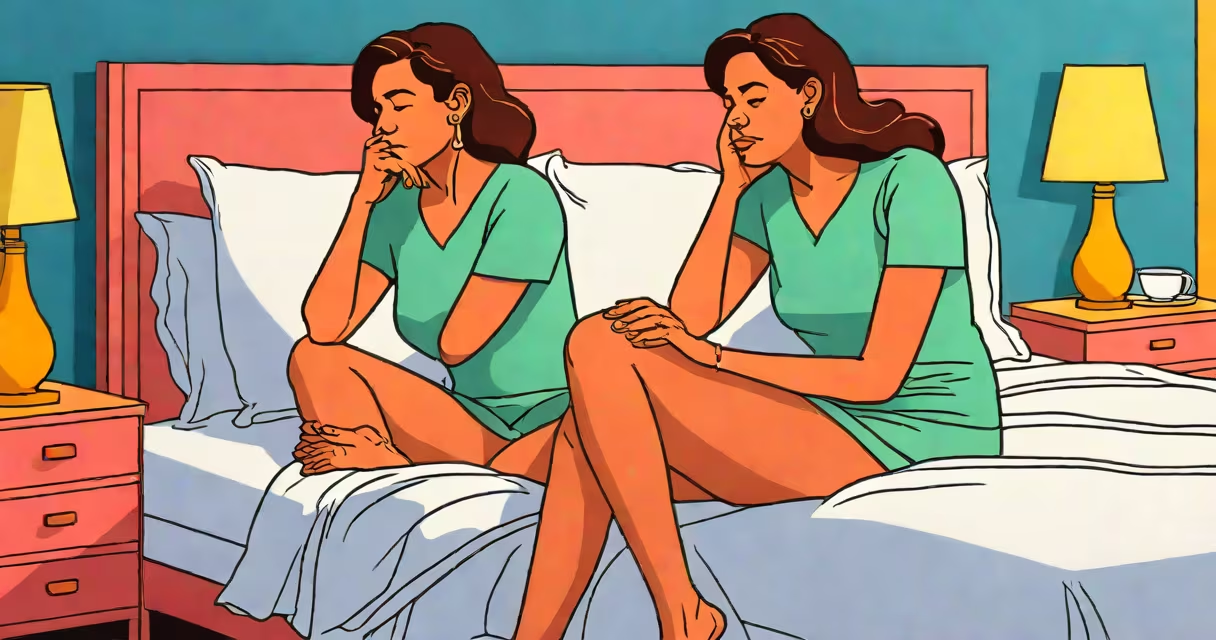
Period pain during menopause refers to cramping or pelvic discomfort that occurs after menstruation has stopped, often due to lingering hormone fluctuations, uterine changes, or unrelated conditions mistaken for menstrual pain. This is not a normal phase of menopause and may indicate an underlying issue.
Menopause marks the permanent cessation of menstrual periods, typically around age 50. Once a woman has gone 12 consecutive months without a period, she is officially in menopause. True menstrual pain-caused by prostaglandins released during ovulation and shedding of the uterine lining-should no longer occur. However, some women report cramping, pressure, or sharp pains in the lower abdomen after menopause ends.
These sensations are not period pain in the traditional sense. Instead, they stem from hormonal shifts, reduced estrogen levels affecting pelvic tissue elasticity, or coexisting conditions such as endometriosis, fibroids, or irritable bowel syndrome. Persistent pain should be evaluated by a healthcare provider to rule out serious causes.
Estrogen decline during menopause affects connective tissues, blood vessels, and nerve sensitivity in the pelvis. Lower estrogen reduces blood flow to reproductive organs and alters the way nerves transmit pain signals. This can lead to chronic pelvic discomfort even without a cycle.
Some women retain low levels of progesterone and estrogen for years after their last period. These residual hormones may trigger mild contractions in the uterus or fallopian tubes, mimicking cramping. A 2021 study in *Maturitas* found that 16% of postmenopausal women reported cyclical pelvic pain, though none had actual menstrual bleeding.
The uterus may shrink and change shape during menopause. As the organ becomes less elastic, movement or stretching during bowel movements or sexual activity can cause transient pain. This is not a sign of menstruation returning-it's structural change.
Period pain during menopause is not a single condition. It results from several distinct physiological processes, including hormonal remnants, musculoskeletal strain, and gastrointestinal issues. The following table outlines key contributors:
| Type | Root Cause | Typical Sensation | Prevalence |
|---|---|---|---|
| Hormonal remnants | Residual estrogen/progesterone affecting uterine muscle tone | Dull, intermittent cramping | ~15% of postmenopausal women (NIH, 2020) |
| Endometriosis recurrence | Hidden endometrial tissue causing inflammation | Sharp, localized pain, worsens with movement | 5-10% of diagnosed cases persist post-menopause |
| Gastrointestinal overlap | IBS, constipation, or gas pressing on pelvic nerves | Bloating, cramping, relieved by bowel movement | Common in women with prior IBS history |
| Musculoskeletal strain | Pelvic floor tension or sciatic nerve irritation | Deep ache, radiates to hip or leg | Reported in 22% of women with pelvic pain (Journal of Women's Health, 2022) |
One non-obvious fact: endometriosis can flare after menopause. Though rare, lesions may continue to bleed or grow slowly due to adrenal hormone conversion. A 2023 review in *Human Reproduction* noted that 1 in 12 women with prior endometriosis experienced pain after menopause, often misdiagnosed as ovarian cysts or arthritis.
Healthcare providers rarely diagnose "period pain during menopause" because it's not a recognized medical condition. Instead, they investigate the root cause. Women often describe the pain as "like my period," but without bleeding, it's not menstruation.
A common misconception is that menopause brings relief from all pelvic pain. Some women do feel better, but others report worsening symptoms due to vaginal atrophy, decreased lubrication, or nerve compression. For example, a 58-year-old patient described dull cramping during intercourse that resolved only after starting vaginal estrogen therapy.
Another confusion arises between menopausal symptoms and menstrual ones. Hot flashes, night sweats, and mood swings are typical. Cramping is not. If a woman experiences cramping after her last period, especially with bloating or irregular spotting, it requires evaluation. Bleeding after menopause is abnormal and may signal endometrial hyperplasia or cancer.
Cramping during menopause is frequently mistaken for menstrual pain, but the absence of bleeding is the key differentiator. True period pain occurs monthly, coincides with expected cycles, and stops with menopause. Postmenopausal cramping is unpredictable and may come and go without pattern.
It's also confused with sciatic pain or hip-related issues. Sciatica causes radiating pain down the leg, often worse when sitting or bending. Pelvic pain during menopause is usually centered in the lower abdomen or pelvis. A woman who reports pain only when lying on her side or turning in bed may have a musculoskeletal origin.
For clarity, consider this example: A 54-year-old woman had not had a period in 18 months. She began experiencing sharp, left-sided cramps every few days, lasting 15-30 minutes. No bleeding occurred. Ultrasound revealed a small ovarian cyst. After removal, pain resolved. This was not period pain during menopause-it was a benign tumor causing referred discomfort.
Women sometimes mistake digestive pain for pelvic cramping. Bloating, gas, and constipation are common during menopause due to slowed gut motility. A 2022 study in *Gastroenterology & Hepatology* found that 38% of postmenopausal women with pelvic pain had undiagnosed IBS. Relief came after dietary adjustments and probiotics-not hormone therapy.
Any abdominal pain after menopause that persists for more than a week, worsens over time, or includes bleeding should prompt medical evaluation. Bleeding after menopause increases the risk of endometrial cancer. The American College of Obstetricians and Gynecologists (ACOG) recommends endometrial biopsy for any postmenopausal bleeding.
Chronic pain lasting over three months, especially with weight loss, fatigue, or fever, warrants imaging. Transvaginal ultrasound can detect fibroids, polyps, or thickened endometrium. MRI may be needed for suspected endometriosis or nerve entrapment.
I've seen patients delay care for years, assuming pain was "just part of aging." One woman reported daily cramping for 14 months. Her diagnosis: a retroverted uterus pressing on the bladder. Surgery corrected the position. She regained comfort within weeks. This is not normal. Pain after menopause is not inevitable.
Period pain during menopause is not a real phenomenon in the medical sense. What women feel is either residual hormonal effects, structural changes, or a separate condition masquerading as menstrual pain. Accurate diagnosis prevents unnecessary treatment and avoids missing serious health issues.