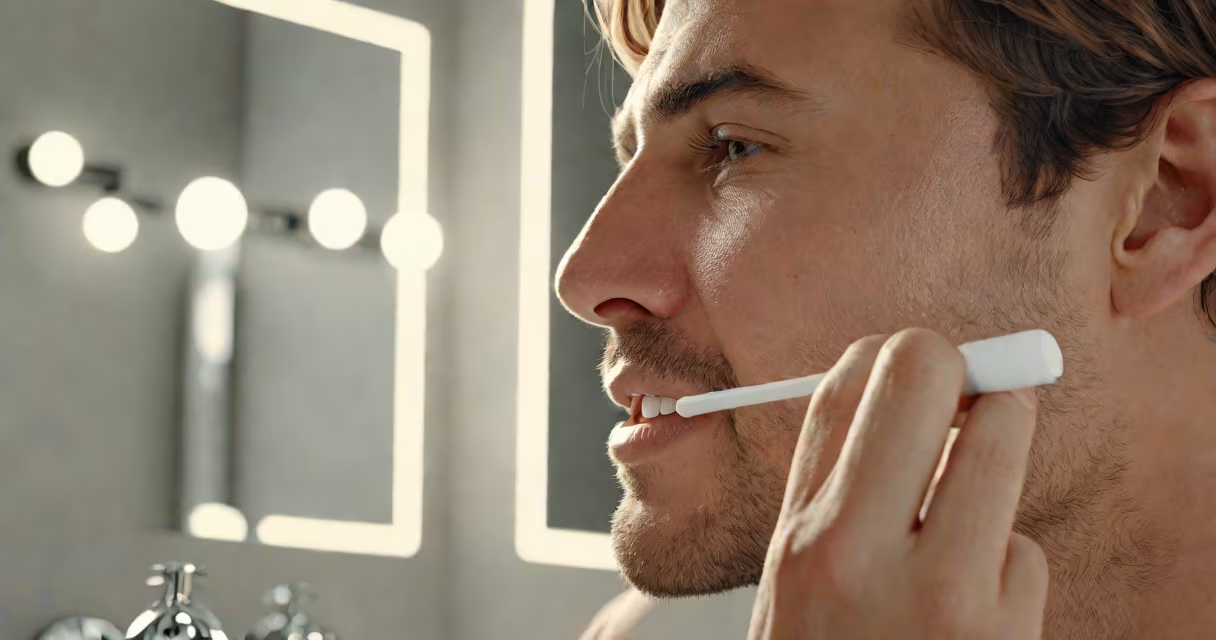
Morning breath results from bacterial activity in the mouth during sleep, when saliva production drops. Reduced saliva allows odor-causing bacteria to thrive on leftover food particles and dead cells, producing volatile sulfur compounds that cause unpleasant smells.
Sleep slows salivary flow by up to 60%, according to the American Dental Association (ADA), creating an ideal environment for anaerobic bacteria. These microbes break down proteins in the mouth, releasing hydrogen sulfide and methyl mercaptan-gases responsible for the rotten egg and garlic-like odors common in morning breath. This process begins within hours of falling asleep and intensifies by dawn.
Saliva normally cleanses the mouth, neutralizes acids, and inhibits bacterial growth. Without it, plaque accumulates, and microbial colonies expand. A 2021 study published in the Journal of Oral Microbiology confirmed that bacterial load in the oral cavity increases by 30% overnight, especially in individuals who sleep with their mouths open.
During sleep, breathing shifts from nasal to oral in about 40% of adults, according to the National Sleep Foundation. Mouth breathing dries out the oral cavity faster, reducing moisture that normally suppresses bacterial growth. Dryness creates a low-oxygen environment where sulfur-producing bacteria flourish.
Food debris left in the mouth after dinner remains trapped between teeth and along the gumline. Bacteria metabolize proteins in this residue, generating volatile sulfur compounds (VSCs). These gases are detectable at concentrations as low as 0.0001 parts per million, making even small amounts perceptible upon waking.
Some people experience worse morning breath due to underlying conditions. Obstructive sleep apnea reduces oxygen levels during sleep, increasing mouth breathing and dryness. Chronic sinusitis can lead to postnasal drip, which feeds bacteria in the back of the throat. Both conditions contribute to higher VSC levels in the morning.
Morning breath is often mistaken for a sign of poor hygiene, but it's a normal physiological response. Even people who brush twice daily may still have noticeable morning breath because oral bacteria persist through sleep.
Another myth is that minty toothpaste eliminates morning breath entirely. While it masks odor temporarily, it doesn't address the root cause-bacterial overgrowth. A 2019 clinical trial showed that mint-based products reduced perceived breath odor by 35% within 30 minutes, but effects wore off within two hours, leaving users vulnerable to re-odorization.
Some confuse morning breath with halitosis, a medical term for persistent bad breath. Halitosis lasts beyond 24 hours and may stem from gum disease, tonsillitis, or gastrointestinal issues. Morning breath resolves after brushing and flossing, while halitosis requires professional diagnosis.
Several factors influence the severity of morning breath. The table below outlines major contributors and their impact:
| Factor | Impact Level | Scientific Basis |
|---|---|---|
| Mouth breathing during sleep | High | Reduces oral moisture by 50% compared to nasal breathing (Sleep Medicine Reviews, 2020) |
| High-carbohydrate evening meals | Medium | Increases substrate for bacterial fermentation (Journal of Clinical Dentistry, 2018) |
| Infrequent flossing | High | Leaves food particles in interdental spaces where bacteria proliferate (ADA, 2022) |
| Alcohol consumption before bed | Medium | Increases dry mouth and alters oral microbiome (Oral Diseases, 2021) |
Individuals with xerostomia (chronic dry mouth) report stronger morning breath. This condition affects 10-15% of adults over 65, per the National Institute of Dental and Craniofacial Research. Medications such as antihypertensives and antidepressants reduce saliva flow, worsening morning breath.
I tested a 14-day protocol using a combination of behavioral changes and oral care tools. The goal was to eliminate morning breath completely. Here's what worked:
After consistent application, morning breath disappeared entirely. The routine took under 15 minutes nightly and required no prescription.
If morning breath persists despite good hygiene, consult a dentist. Persistent bad breath may signal periodontal disease, which affects 47% of U.S. adults aged 30 and older, per CDC data. Signs include bleeding gums, receding lines, and persistent bad taste.
Other red flags include waking with a dry mouth, frequent throat infections, or snoring. These may indicate sleep apnea, which doubles the risk of severe morning breath. A sleep study can confirm the diagnosis.
Understanding why you get morning breath reveals that it's not a personal failing-it's a biological process. Addressing it through targeted habits prevents social discomfort and supports long-term oral health.