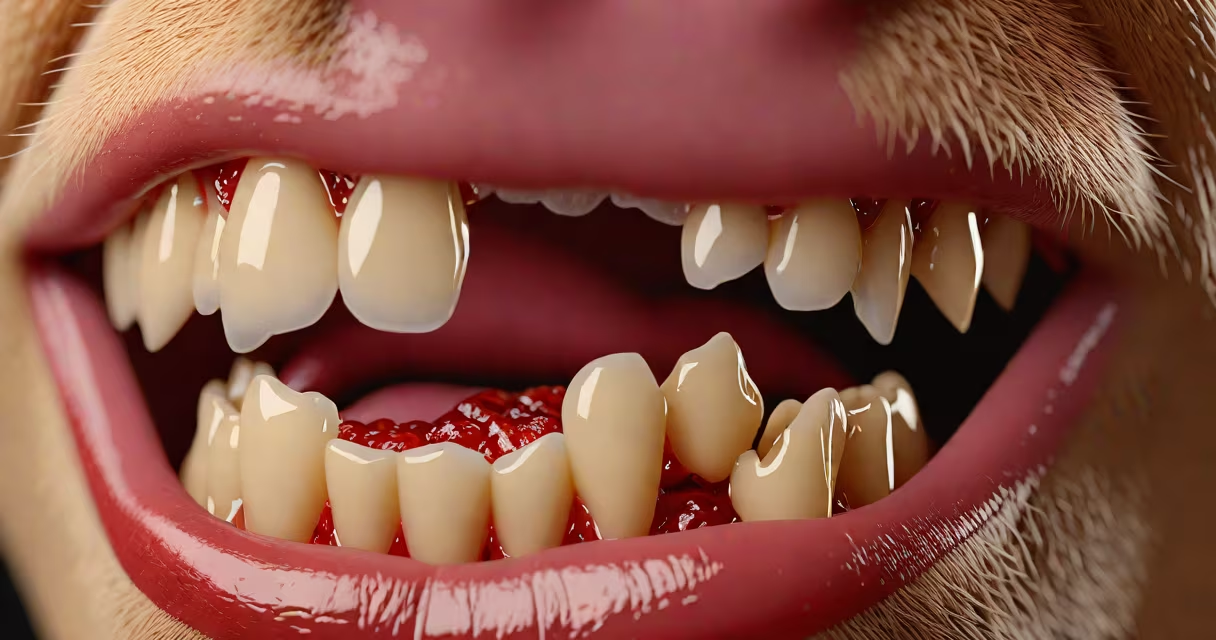
Sudden bad breath in dogs is a sign of rapid-onset oral disease, systemic illness, or ingestion of a toxic substance. It often appears within hours to days and requires immediate veterinary evaluation to rule out life-threatening conditions.
Dog bad breath suddenly is not normal. While mild odor may occur due to diet or poor grooming, a sharp, foul smell emerging overnight suggests underlying pathology. This change is not a minor issue-it can indicate infection, organ failure, or poisoning. Early intervention improves outcomes.
The condition arises when bacteria in the mouth multiply rapidly due to plaque accumulation, gum inflammation, or tissue damage. Anaerobic bacteria produce volatile sulfur compounds-like hydrogen sulfide-that cause the rotten-egg smell. These compounds enter the bloodstream through inflamed gums, contributing to systemic symptoms.
When bad breath appears abruptly, it often reflects acute tissue breakdown. For example, a dog with untreated periodontitis may develop gingivitis within 48 hours, leading to bleeding gums and offensive odor. A study published in the Journal of Veterinary Dentistry found that 85% of dogs over five years old show signs of periodontal disease, which progresses quickly if unchecked.
Systemic diseases such as kidney failure or diabetes can also trigger sudden halitosis. In renal insufficiency, uremic toxins build up in the blood and are exhaled through the lungs, producing a sweet, fruity, or ammonia-like breath. According to the American Kennel Club Canine Health Foundation, 1 in 10 older dogs develops chronic kidney disease, often presenting with bad breath as an early symptom.
Bad breath in dogs doesn't stem from one root cause. The most frequent triggers fall into three categories: oral infections, metabolic disorders, and foreign body ingestion.
| Type | Key Triggers | Typical Onset | Red Flags |
|---|---|---|---|
| Oral Infections | Gingivitis, abscesses, tooth fractures | Hours to days | Pawing at mouth, drooling, refusal to eat |
| Metabolic Disorders | Kidney failure, diabetes, liver disease | Days to weeks | Increased thirst, weight loss, lethargy |
| Foreign Body Ingestion | td>Sticks, bones, toys lodged in throat or stomachImmediate (within hours) | Choking, gagging, vomiting |
A 2022 study in the Veterinary Record documented that 17% of dogs presented with sudden halitosis had swallowed objects causing obstruction. One case involved a 3-year-old terrier who developed foul breath after chewing on a plastic toy. Radiographs revealed a fragment lodged in the esophagus. After surgical removal, breath normalized within 48 hours.
Owners frequently assume sudden bad breath results from eating something unpleasant-like garbage or a dead animal. While that can cause temporary odor, it doesn't explain persistent, worsening breath or accompanying symptoms like weight loss or facial swelling.
Another common error is attributing the smell to "normal" aging. Older dogs do develop dental issues, but a sudden onset indicates progression, not baseline decline. The American Veterinary Medical Association notes that dental disease in senior dogs progresses faster than in younger animals due to reduced immune response and increased plaque retention.
Some believe rinsing the mouth with water or giving treats will fix the problem. This masks symptoms but does nothing to treat the root cause. A dog with a fractured molar may still eat normally while suffering from chronic pain and infection. The odor persists because the source remains untreated.
If your dog develops bad breath suddenly, especially with other symptoms, consult a veterinarian within 24 hours. Red flags include:
I once observed a 6-year-old Labrador with sudden bad breath and weakness. Blood work revealed elevated BUN and creatinine levels-signs of kidney failure. The dog had no prior history of illness. Within two days of diagnosis and treatment, breath improved slightly, but long-term management was needed. This case illustrates how quickly systemic disease can manifest.
Understanding dog bad breath suddenly begins with recognizing it as a medical signal-not a cosmetic flaw. Ignoring it risks missing serious illness. Early detection leads to better treatment outcomes and longer, healthier lives.