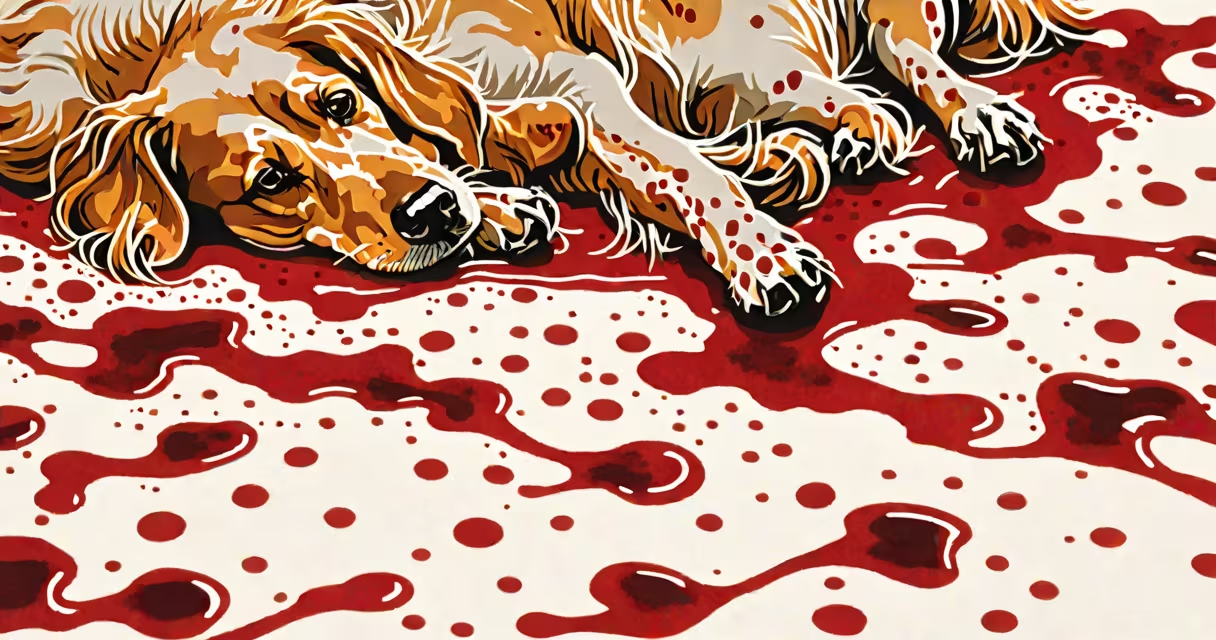
Blood in a dog's stool-known medically as hematochezia-indicates bleeding in the lower digestive tract. Fresh red blood suggests the source is near the anus or colon, while dark, tarry stools signal upper GI bleeding. This symptom requires prompt attention, especially if it persists beyond one bowel movement.
When blood appears in a dog's feces, it is rarely due to minor issues. The presence of blood signals inflammation, trauma, infection, or systemic disease affecting the intestines. Common causes include parasitic infestations like whipworms, bacterial infections such as Salmonella or Clostridium, inflammatory bowel disease, or ingestion of foreign objects. In severe cases, tumors or intestinal torsion may be responsible.
According to the American Veterinary Medical Association (AVMA), blood in stool ranks among the top reasons pet owners seek urgent veterinary care. A 2022 study published in the Journal of Veterinary Internal Medicine found that 37% of dogs presenting with hematochezia required hospitalization within 24 hours. Early intervention improves outcomes.
Blood in a dog's stool originates from damaged mucosal lining in the colon or rectum. The lining becomes inflamed or ulcerated, allowing capillaries to rupture during defecation. Fresh blood appears as bright red streaks or clots mixed with stool. Darker blood-appearing black or tarry-results from digested blood, indicating bleeding higher in the gastrointestinal tract, such as the small intestine or stomach.
Parasites like hookworms and roundworms feed on intestinal tissue, causing micro-tears and blood loss. Whipworms specifically target the large intestine, leading to chronic bloody diarrhea. A single fecal flotation test can detect these organisms, but multiple samples increase detection accuracy. The American Kennel Club notes that whipworms are often missed on first testing due to irregular egg shedding.
Foreign bodies such as bones, toys, or fabric can cause mechanical damage. A 2021 case report from the Veterinary Emergency and Critical Care Society documented a 3-year-old terrier that developed rectal bleeding after swallowing a chicken bone fragment. Radiographs confirmed the obstruction, and surgical removal was necessary.
Not all blood in stool stems from parasites or trauma. Underlying conditions such as colitis, cancer, or autoimmune disorders can also cause bleeding. Here's a breakdown of frequent contributors:
| Condition | Typical Blood Appearance | Additional Symptoms | Diagnostic Method |
|---|---|---|---|
| Parasitic infection (e.g., whipworm) | Bright red streaks, mucus | Diarrhea, weight loss, lethargy | Fecal flotation, PCR testing |
| Bacterial colitis (e.g., Clostridium) | Red streaks, foul odor | Vomiting, fever, dehydration | Fecal antigen test, culture |
| Intestinal foreign body | Clots, fresh blood | Straining, vomiting, abdominal pain | X-ray, ultrasound, endoscopy |
| Colorectal tumor | Chronic blood, mucus, weight loss | Change in appetite, constipation/diarrhea | Colonoscopy, biopsy, CT scan |
One non-obvious distinction: blood from anal gland impaction often appears as small, bright red spots on the surface of the stool, not mixed throughout. This condition is common in small breeds and can mimic hemorrhoids in humans. A veterinarian can confirm it through manual palpation.
If your dog has blood in poop, do not wait. Even a single episode warrants evaluation if accompanied by other symptoms like lethargy, vomiting, or loss of appetite. The American Animal Hospital Association recommends seeking veterinary care within 24 hours of persistent or worsening blood in stool.
I once observed a 6-month-old puppy with intermittent blood in stool. The owner assumed it was dietary irritation. After four days of worsening symptoms-including collapse-the dog was diagnosed with parvovirus. Parvo causes severe intestinal necrosis and rapid dehydration. Survival rates drop below 50% without early treatment. The puppy survived only because the owner brought him in after the fifth day.
Do not attempt home remedies. Probiotics, pumpkin, or fasting may mask symptoms but delay diagnosis. Collect a fresh sample in a sealed container and bring it to the vet. Avoid handling the stool directly-wear gloves. Note the frequency, color, and consistency. Record any changes in behavior, eating habits, or water intake.
Many owners mistake mucus or red pigment from food (like beet juice) for blood. However, true blood doesn't wash out easily and appears in streaks or clots. Mucus alone doesn't indicate bleeding-though it can signal inflammation.
Another misconception: blood in stool always means worms. While parasites are a frequent cause, they're not the only one. A 2020 survey by the National Pet Health Survey found that only 28% of dogs with hematochezia had parasitic infections. The rest had bacterial, neoplastic, or immune-mediated causes.
Finally, some believe blood in stool is normal for certain breeds. That's false. No breed is immune to intestinal pathology. Small breeds like Chihuahuas are prone to intestinal obstructions; large breeds like German Shepherds have higher rates of colonic tumors. All require the same level of concern.
My dog has blood in poop is not a minor issue. It's a warning sign requiring professional evaluation. Early action prevents complications, reduces suffering, and increases recovery chances. Do not delay.