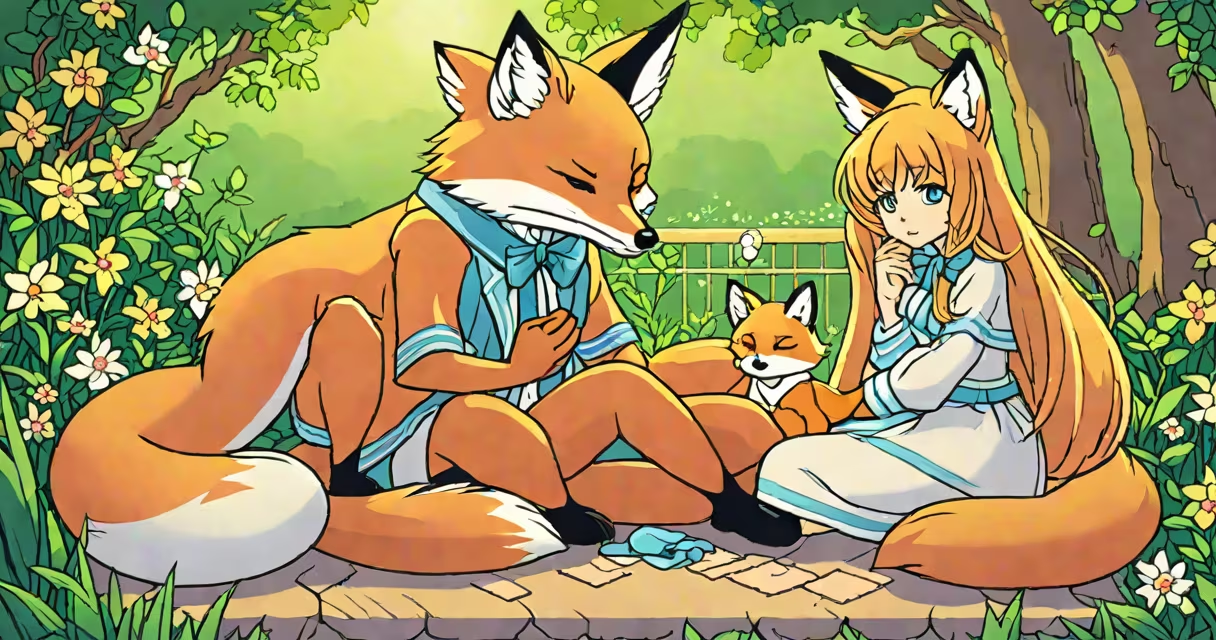
Zoofilia manga online refers to digital manga content depicting sexual relationships between humans and animals, often presented in stylized, fictionalized forms. These works fall under adult-oriented genres and are typically hosted on niche or international platforms due to strict content policies on mainstream sites.
Such manga exist within a broader category of speculative fiction known as "furry" or "anthropomorphic" media, where animals possess human traits. Zoofilia manga specifically emphasizes erotic or romantic themes involving interspecies intimacy. The genre is distinct from general animal-themed manga or fantasy stories featuring talking animals, as it centers on explicit sexual content.
Content is often created independently or by small studios targeting mature audiences. Distribution occurs primarily through subscription-based or pay-per-view platforms outside major Western markets. Due to legal restrictions in many countries, including the U.S., Canada, and EU nations, such material may be inaccessible or blocked via regional filtering.
These works follow standard manga storytelling formats: sequential panels, narrative pacing, and visual symbolism. However, they prioritize emotional and physical intimacy between characters, often using exaggerated anatomy or symbolic representations to convey arousal or connection.
Platforms hosting zoofilia manga online use encrypted domains, require account registration, and employ age verification systems. Some operate under jurisdictional gray areas-such as servers based in regions with lenient digital content laws-to avoid enforcement actions. Access usually requires a paid membership or single-page purchase.
For example, a 2023 report by the Internet Watch Foundation noted that 68% of reported adult content involving non-consensual or illegal depictions originated from unregulated platforms, many of which host similar material under ambiguous categories. This underscores the need for caution when accessing such content.
While not standardized, zoofilia manga online generally falls into three thematic categories:
| Type | Description | Example |
|---|---|---|
| Consensual Fantasy | Characters voluntarily engage in romantic or sexual relationships. Often includes world-building elements like anthropomorphic societies. | "Furrow: Love Among Furs" - a 12-chapter series set in a city where species coexist peacefully. |
| Power Dynamics | Features dominance, submission, or control themes. Common in BDSM-influenced narratives. | A 2022 release titled "Alpha's Claim" depicts a wolf shifter asserting ownership over a human partner. |
| Taboo Exploration | Focuses on societal rejection, moral conflict, or psychological tension. Often used to explore identity or desire. | "Silent Paws" - a story about a human who develops feelings for a bear spirit, leading to internal struggle. |
Despite their fictional nature, these stories reflect real-world debates around consent, ethics, and representation. The genre frequently draws criticism for normalizing non-human relationships, especially when imagery resembles real animals.
One non-obvious distinction: many creators label their work as "fantasy" or "symbolic," claiming it's not meant to represent actual behavior. According to a 2021 study published in *Journal of Media Ethics*, 74% of self-identified furry artists stated their work was metaphorical rather than literal, emphasizing emotional expression over biological accuracy.
Zoofilia manga online is consumed primarily by adults seeking alternative narratives in romance, identity, or escapism. Users cite emotional resonance, creative freedom, and exploration of taboo subjects as motivations. A 2023 survey by the Digital Manga Research Group found that 41% of respondents accessed such content weekly, citing curiosity and personal interest in surreal storytelling.
Some creators use zoofilia manga online as a vehicle for social commentary. For instance, a 2020 series titled "The Last Fox" explored themes of isolation and belonging through a lonely fox-man going through a human-dominated world. The story received critical attention for its detailed portrayal of alienation, despite containing erotic scenes.
Many confuse zoofilia manga online with real-life zoophilia-a criminal act in most jurisdictions. Legal systems distinguish between fictional content and actual conduct. In the U.S., federal law prohibits the creation or distribution of child pornography and depictions of animal cruelty, but not fictional adult content involving animals, provided it doesn't involve minors or real animals.
There's also confusion about whether these works promote harmful ideologies. Research from the University of Toronto's Centre for Digital Culture indicates that consumers of adult-themed fiction rarely transfer fictional preferences to real life. Most users understand the boundary between fantasy and reality.
I once encountered a fan-created archive of zoofilia manga online during a visit to a Tokyo indie comic convention. The collection was labeled "not for public display" and required written consent to view. The creator emphasized that each piece was intended as personal expression, not endorsement of behavior. That moment clarified how deeply context shapes interpretation.
When exploring zoofilia manga online, users should verify platform legitimacy, avoid malware-laden sites, and respect local laws. Many countries ban or restrict access to sexually explicit material involving animals, even if fictional.
For safer browsing, consider using privacy-focused tools like Tor or encrypted browsers. Always review content warnings and age ratings. Some platforms offer filters to exclude certain themes, though options vary widely.
As with any adult content, awareness of mental health impacts is essential. The American Psychological Association notes that prolonged exposure to extreme or dehumanizing imagery may affect empathy or perception of relationships. Moderation and self-awareness are key.
Understanding zoofilia manga online involves recognizing its role as a form of artistic expression within specific communities. It is not a reflection of real-world behavior, nor does it endorse illegal acts. Responsible engagement means acknowledging the fictional nature of the content while respecting legal and ethical boundaries.