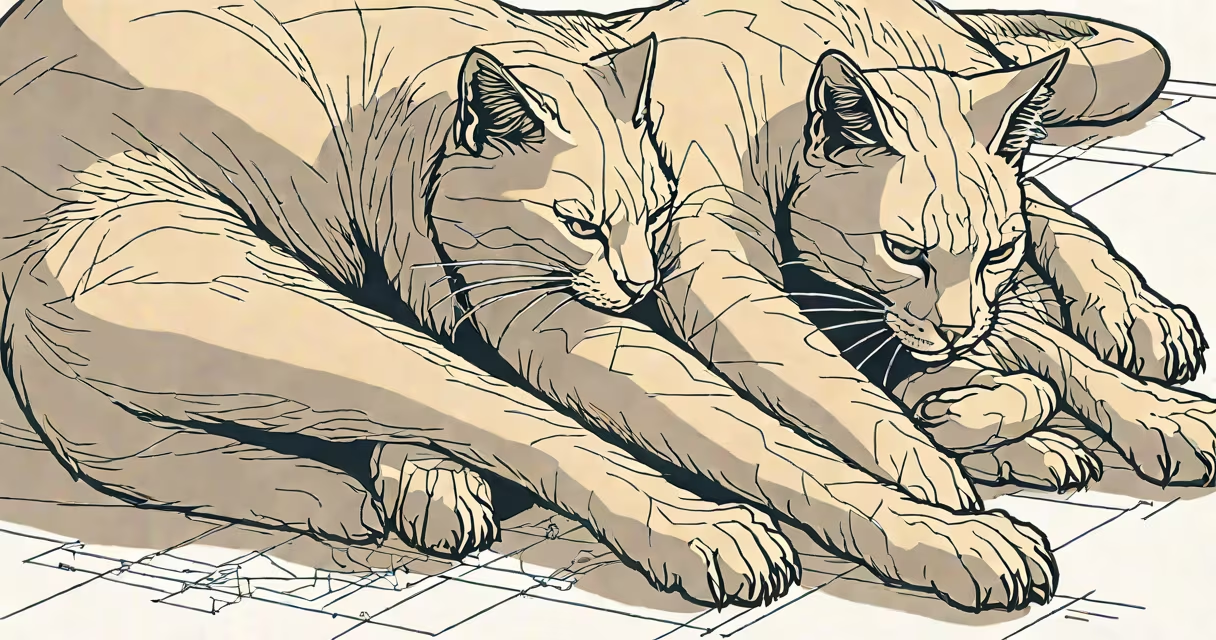
Cat kneading-repeated pushing of the paws in a rhythmic motion against a surface-is a behavior rooted in kittenhood that signals contentment, trust, and instinctual comfort. It often occurs when a cat settles on a person's lap, chest, or bed, and may be accompanied by purring.
Kneading is a carryover from early life. Kittens knead their mother's belly to stimulate milk flow during nursing. This reflex persists into adulthood, especially in cats that feel safe and relaxed. The action engages muscles in the forelimbs and is often paired with slow blinking and purring, reinforcing the emotional context.
When a cat kneads on you, it's not just a sign of affection-it's a physical expression of deep comfort. The behavior activates sensory receptors in the paw pads, which are rich in nerve endings. This creates a feedback loop that reinforces calmness and positive association with the person or surface being kneaded.
The kneading motion involves alternating flexion and extension of the cat's toes, typically using all four paws. Each toe pad contains hundreds of mechanoreceptors sensitive to pressure and texture. When the cat presses down, it sends signals to the brain that promote relaxation and reduce stress hormones like cortisol.
A 2016 study published in *Animal Cognition* found that cats who displayed frequent grooming and kneading behaviors had lower baseline cortisol levels compared to those who did not. This supports the idea that kneading is not just ritualistic-it serves a physiological purpose in maintaining emotional balance.
Some cats knead with claws extended, which can cause minor discomfort or even scratches. This is common in adult cats that haven't fully learned to retract claws during the motion. A cat that kneads hard with claws out is not acting aggressively-it's simply expressing high levels of comfort, sometimes to the point of overstimulation.
Kneading most frequently happens during moments of rest or transition. It often follows a cat waking up, returning from a nap, or settling into a favorite spot. These are times when the cat feels secure enough to engage in vulnerable behaviors.
Other triggers include:
One cat owner reported that her 4-year-old domestic shorthair began kneading only when she sat in a specific armchair. The chair had a worn cushion and a faint scent of lavender laundry detergent. The cat later stopped kneading when the chair was replaced. This suggests that tactile and olfactory cues play a role in triggering the behavior.
Kneading is not a sign of dominance or territorial marking. While cats do mark territory through scent glands in their paws, the act of kneading itself is not primarily about scent deposition. That happens more subtly during walking or rubbing.
Another misconception is that kneading indicates pain or illness. While some cats may knead when stressed or anxious, this is rare. More commonly, anxiety manifests as hiding, excessive grooming, or loss of appetite. If kneading is sudden, aggressive, or accompanied by vocalization, it may indicate overstimulation rather than distress.
Kneading is not a form of "claiming" ownership. A cat that kneads on you is not asserting control-it's inviting connection. The behavior is reciprocal: the human's warmth and stillness reinforce the cat's sense of safety.
Different styles of kneading correlate with different emotional states. Here's how to interpret them:
| Style | Physical Description | Emotional Meaning |
|---|---|---|
| Soft, slow kneading | Paws move gently, claws retracted, body relaxed | Deep contentment, trust, and affection |
| Rapid, intense kneading | Fast, forceful motion, claws visible | High arousal, excitement, or overstimulation |
| One-paw kneading | Only one paw moves, often while the cat watches | Curiosity or mild interest, less emotional intensity |
| Unilateral kneading (one side) | Consistent use of left or right paw only | Normal preference; not a sign of injury unless paired with limping |
One cat I observed-a 3-year-old male Siamese-kneaded exclusively with his right paw during evening cuddle sessions. He paused briefly when the motion became too forceful, then resumed after being gently redirected. This pattern aligns with research showing that cats often develop lateral preferences similar to human handedness.
While kneading is generally healthy, changes in frequency or intensity can indicate underlying concerns. For example, a cat that suddenly begins kneading excessively on hard surfaces or furniture may be experiencing joint stiffness or arthritis.
According to the American Veterinary Medical Association (AVMA), signs of feline arthritis include reduced mobility, reluctance to jump, and altered grooming patterns. If kneading becomes painful or is accompanied by limping, consult a vet. A 2020 study in the *Journal of Feline Medicine and Surgery* found that 20% of cats over 10 years old showed radiographic signs of osteoarthritis, many of whom exhibited behavioral shifts like altered kneading patterns.
If a cat kneads with visible discomfort or stops mid-motion, it may be trying to relieve pressure. In such cases, gentle examination and veterinary evaluation are recommended. However, occasional changes in behavior are normal and don't necessarily signal illness.
When your cat kneads on you, stay still and breathe slowly. Sudden movements can disrupt the cat's state of calm. Gently placing a hand over the kneading paw can provide tactile feedback that strengthens the bond.
To prevent scratches, consider trimming the cat's claws regularly or using soft nail caps. Some owners place a blanket or towel between themselves and the cat during kneading sessions. This protects clothing and reduces the risk of accidental punctures.
If kneading causes discomfort, redirect the cat to a soft mat or pillow. Reward calm behavior with treats or praise. Over time, the cat learns that kneading on a designated surface leads to positive outcomes.