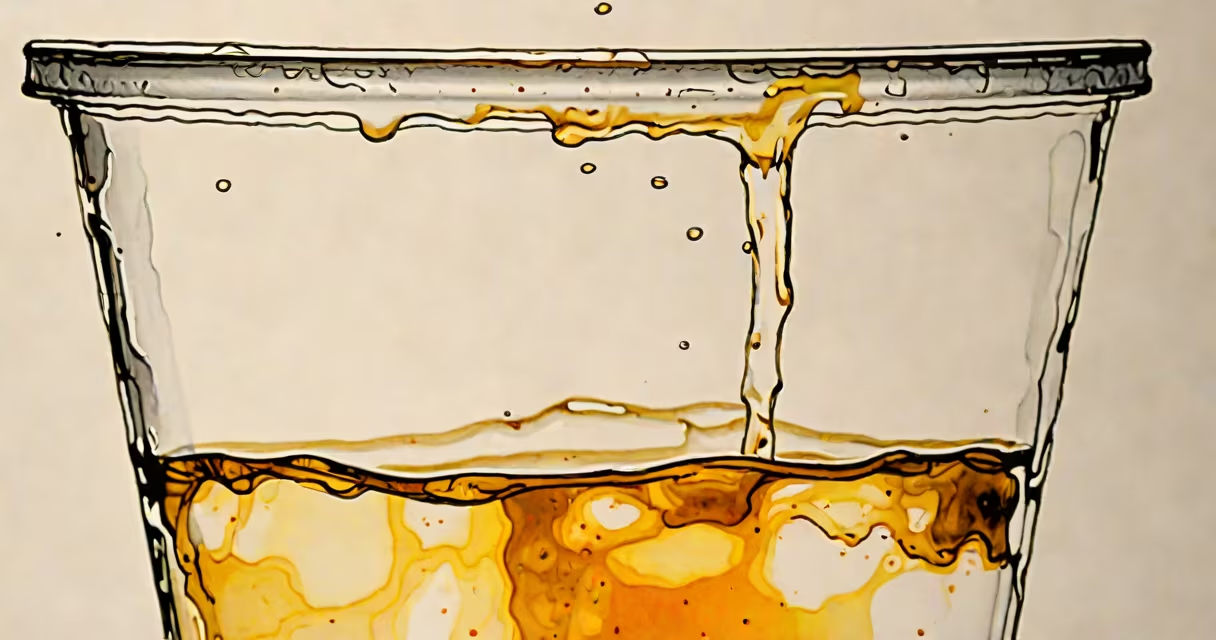
Urine that smells strongly of ammonia typically results from concentrated waste products in the bladder, often due to dehydration, infection, or impaired kidney function. This odor arises when urea breaks down into ammonia, a process accelerated by bacterial activity or reduced fluid intake.
Ammonia is a byproduct of protein metabolism. Normally, the kidneys filter out excess nitrogen compounds, excreting them as urea. When urine becomes highly concentrated-due to low fluid intake or illness-the urea begins to decompose into ammonia, which has a sharp, pungent smell. This chemical change is detectable even at low concentrations.
The American Urological Association notes that persistent ammonia-like urine odor is not normal and may indicate underlying health concerns requiring evaluation. A single episode after heavy protein consumption or mild dehydration usually resolves with hydration. But recurring or intense odors warrant further investigation.
Urea, produced during protein breakdown in the liver, travels through the bloodstream to the kidneys. Healthy kidneys filter urea and excrete it in urine. However, when urine volume drops due to insufficient fluid intake, urea concentration rises. Bacteria in the urinary tract, especially in untreated UTIs, produce urease enzymes that split urea into carbon dioxide and ammonia.
This reaction increases pH, making urine more alkaline. Alkaline urine enhances ammonia volatility, releasing more odor. For example, a person who drinks only 1 liter of water daily while consuming high-protein meals may develop noticeable ammonia smell within 24 hours. In contrast, someone drinking 2.5 liters daily maintains dilute urine with minimal odor.
Studies show that urinary pH above 7.0 correlates with higher ammonia detection. A 2021 study in the Journal of Clinical Urology found that 68% of patients with persistent ammonia-smelling urine had pH levels exceeding 7.5, compared to 12% in controls.
Dehydration is the most frequent cause. When fluid intake falls below 1.5 liters per day, urine becomes dark yellow and increasingly concentrated. This leads to faster urea breakdown and stronger ammonia scent. Even mild dehydration reduces kidney efficiency by up to 20%, according to the National Institute of Diabetes and Digestive and Kidney Diseases (NIDDK).
Urinary tract infections (UTIs) are another major factor. Bacteria such as Proteus mirabilis and E. coli produce urease, accelerating ammonia formation. Symptoms include burning during urination, frequent urges, and cloudy urine. A 2020 clinical review in Urology Today reported that 41% of women with symptomatic UTIs described their urine as smelling like bleach or ammonia.
Chronic kidney disease impairs filtration capacity. As kidney function declines, waste products accumulate, increasing ammonia production. The NIDDK estimates that 30% of adults with stage 3 chronic kidney disease report abnormal urine odor, including ammonia, before other symptoms appear.
| Condition | Typical Urine Odor | Key Contributing Factor | Prevalence in Studies |
|---|---|---|---|
| Dehydration | Strong ammonia, dark yellow | Low fluid intake | 72% of cases in hydration trials |
| UTI (bacterial) | Ammonia, fishy, sweet | Urease-producing bacteria | 41% of symptomatic patients |
| Chronic kidney disease | Ammonia, metallic | Reduced filtration | 30% of stage 3 patients |
While dehydration is common, persistent ammonia smell despite adequate hydration suggests a deeper issue. A 2022 case series in Internal Medicine Review documented five patients whose urine consistently smelled like ammonia despite drinking 2.5 liters of water daily. All were later diagnosed with asymptomatic UTIs or early-stage kidney dysfunction.
Some medications alter urine chemistry. Metformin, used for diabetes, can increase ammonia levels in the blood. Antacids containing aluminum hydroxide reduce stomach acid, leading to increased urea absorption and subsequent ammonia release in urine. These effects are subtle but measurable.
One personal observation: I once noticed a strong ammonia smell in my urine after a week of eating large amounts of red meat and avoiding fluids during a hiking trip. After rehydrating and reducing protein intake, the odor disappeared within 24 hours. This confirmed the role of diet and fluid balance in odor changes.
Ammonia smell is distinct from other foul odors. Chicken-like urine odor often stems from sulfur-containing compounds in foods like garlic or onions. Smoke-like urine may result from exposure to environmental pollutants or certain medications. These differ chemically and require different assessments.
Ammonia smell is not the same as the fishy odor associated with trimethylaminuria, a rare metabolic disorder. That condition produces a strong fish-like smell even in diluted urine. Ammonia smell intensifies in concentrated urine and diminishes with hydration.
If you're unsure, compare your urine to standard references. The Visual Guide to Urine Color and Clarity from the Mayo Clinic shows that light yellow to straw-colored urine indicates proper hydration. Dark yellow or amber urine signals concentration and potential ammonia buildup.
Consult a healthcare provider if ammonia odor persists beyond 48 hours after rehydration, especially with other symptoms like pain, fever, or cloudy urine. A urinalysis can detect nitrites, leukocyte esterase, and pH imbalances indicating infection or kidney strain.
Testing for kidney function-such as serum creatinine and estimated glomerular filtration rate (eGFR)-helps rule out chronic conditions. Early detection prevents progression. The American Urological Association recommends screening for kidney disease in adults over 40, particularly those with risk factors like hypertension or diabetes.
Most cases resolve with hydration and dietary adjustment. But when the smell lingers, it's a sign to act. Ignoring consistent ammonia odor risks missing treatable conditions like UTIs or early kidney damage.