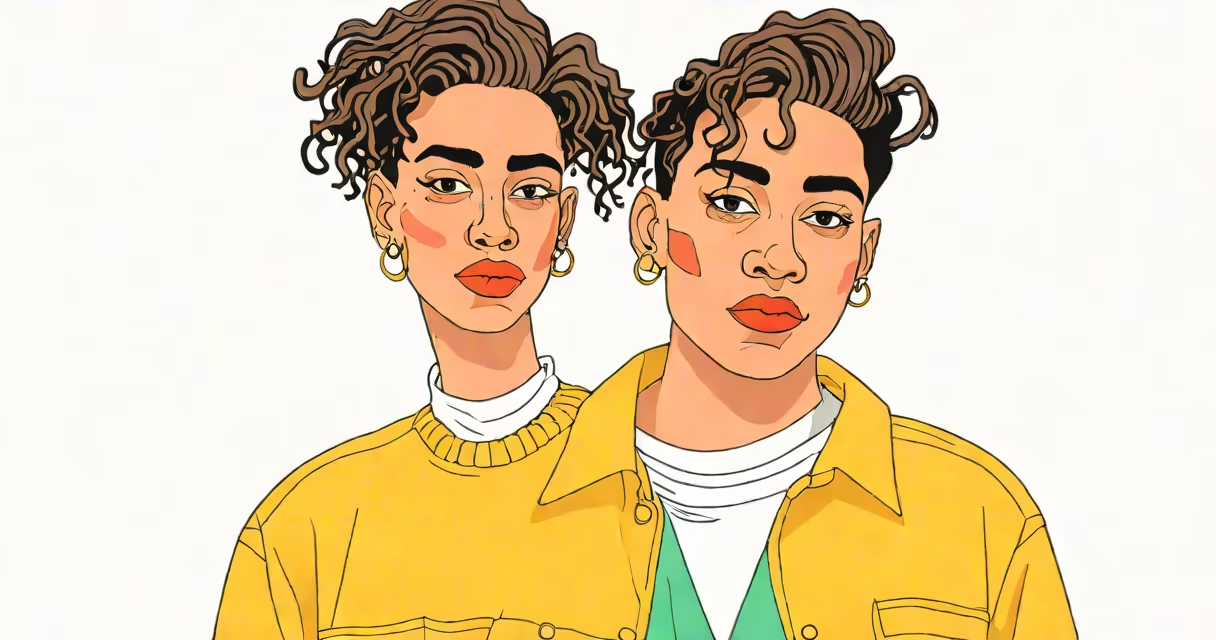
Being nonbinary means a person's gender identity does not fit exclusively within the traditional male or female categories. It is a valid and recognized way of understanding gender that exists independently of the binary system. Nonbinary identities include those who identify as both genders, neither, a blend, or somewhere outside the spectrum.
The term "nonbinary" emerged in the late 1990s and gained wider visibility through LGBTQ+ communities and academic research. According to the American Psychological Association, gender identity is distinct from sex assigned at birth and includes how individuals internally understand their gender. Nonbinary people may experience their gender as fluid, static, or evolving over time.
Nonbinary is not a mental health condition. It is a natural variation in human gender expression. The World Health Organization recognizes diverse gender identities as part of normal human diversity, not disorders requiring treatment.
Gender identity is internal and personal. A nonbinary person may feel they are neither male nor female, or they may feel a mix of both, or something entirely different. This sense of self is not based on appearance, behavior, or societal expectations.
Some nonbinary people use pronouns like they/them, xe/xir, or ey/em. Others may prefer singular they, which is grammatically correct and widely accepted in formal writing. The use of preferred pronouns respects a person's identity and reduces misgendering.
For example, a person named Jamie uses they/them pronouns and identifies as nonbinary. They were assigned male at birth but have always felt disconnected from that label. Their gender is not tied to physical characteristics or social roles. They wear clothes that reflect their identity-neither traditionally masculine nor feminine-and use a name that aligns with their self-concept.
There is no single way to be nonbinary. Identities vary widely and include:
Expression-how someone presents themselves-is separate from identity. A nonbinary person may dress in ways that challenge gender norms, such as wearing skirts and jackets together, or they may adopt minimal gendered styling. There is no required look.
According to the National Center for Transgender Equality, 1 in 3 transgender people in the U.S. identify as nonbinary. This reflects that nonbinary identity is not rare-it is a significant part of the gender-diverse population.
Nonbinary is often confused with gender nonconforming or transgender. While related, these terms differ. Gender nonconforming refers to behavior or appearance that doesn't match societal expectations for a person's assigned sex. This can apply to anyone, regardless of identity.
Transgender describes someone whose gender identity differs from the sex they were assigned at birth. All transgender people are not nonbinary, and not all nonbinary people are transgender. Some nonbinary people were assigned female at birth and identify as female, but still reject the binary structure.
A common misconception is that nonbinary identity is a trend or a phase. Research from the Journal of Adolescent Health shows that nonbinary youth report stable gender identities over time. Longitudinal studies indicate that many nonbinary people maintain consistent self-identification into adulthood.
Another error is assuming nonbinary people must be androgynous or "neutral." This is false. Nonbinary people express themselves in diverse ways-some are highly feminine, others highly masculine, and many fall outside those categories entirely.
Recognizing nonbinary identity supports mental health and well-being. Studies show that when people are affirmed in their gender identity, rates of depression and suicide decrease. The Trevor Project reports that LGBTQ+ youth who are supported by family and friends are 40% less likely to attempt suicide.
Legal recognition matters too. As of 2023, 16 U.S. states allow nonbinary gender markers on state IDs and driver's licenses. Countries like Canada, Germany, and Australia also offer nonbinary options. These changes reduce barriers to healthcare, employment, and public services.
When someone says "I am nonbinary," they are stating a core aspect of their identity. It is not a performance, a fashion choice, or a political statement. It is a truthful description of how they experience themselves.
Understanding what being nonbinary means begins with listening. Ask people how they identify, respect their chosen names and pronouns, and avoid assumptions. Affirmation is not optional-it is essential to dignity and safety.