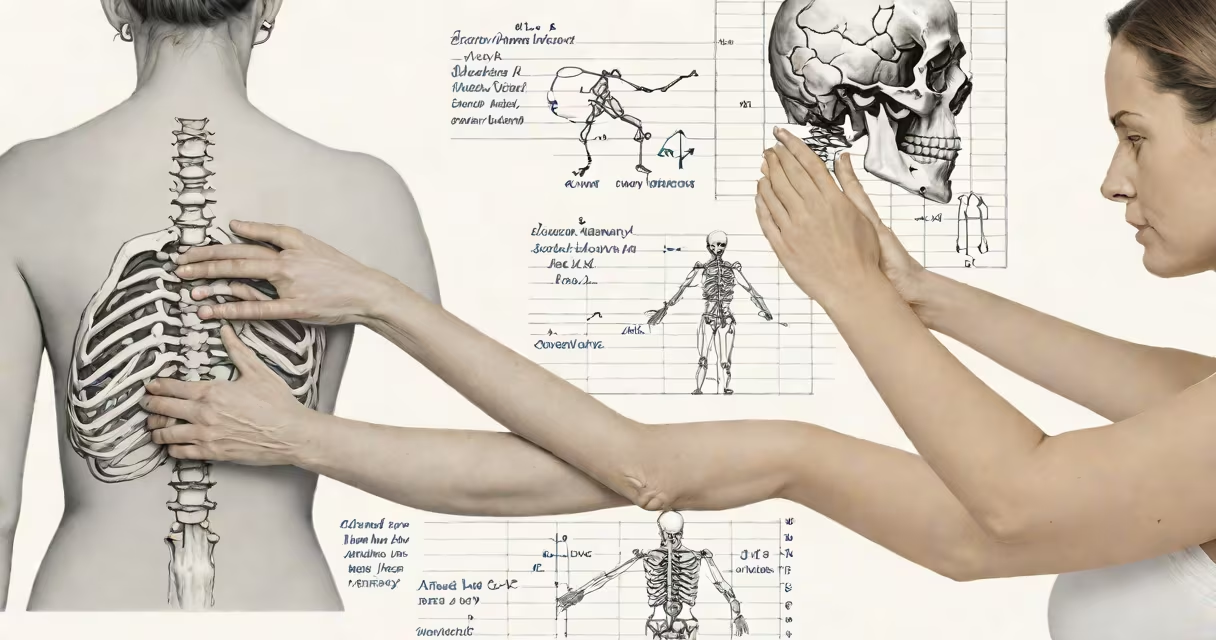
Bone cancer in women presents with localized pain, swelling, and unexpected fractures, often mistaken for arthritis or injury. These symptoms typically worsen over time and do not improve with rest or typical treatments.
Primary bone cancers-such as osteosarcoma, chondrosarcoma, and Ewing sarcoma-are rare, accounting for less than 1% of all cancers. However, they are more likely to affect younger women and those with genetic predispositions. Metastatic bone cancer, which spreads from other sites like breast or lung, is more common in older women and may mimic benign conditions.
According to the American Cancer Society, about 2,000 new cases of primary bone cancer are diagnosed annually in the U.S., with slightly higher incidence rates in women under 30. Early detection remains critical because survival rates drop once cancer spreads beyond the bone.
Bone cancer begins when cells in the bone grow uncontrollably. This growth disrupts normal bone function and can weaken the structure, leading to fractures during routine activity. Pain is the most consistent symptom-often described as dull, aching, or deep, and worsening at night or with movement.
Swelling and tenderness around the affected area appear in about 60% of cases. A mass may be palpable in advanced stages. Unlike muscle strain or joint inflammation, bone cancer pain does not resolve with rest or anti-inflammatory medication. It tends to persist and intensify over weeks.
Fractures due to weakened bone-called pathological fractures-occur without significant trauma. For example, a woman lifting a suitcase might suddenly experience a broken femur. These events often prompt imaging that reveals the underlying tumor.
Three major types of primary bone cancer differ in age distribution and location:
| Type | Typical Age Group | Common Sites in Women | Prevalence |
|---|---|---|---|
| Osteosarcoma | Teens to 30s | Long bones: femur, tibia, humerus | Most common in adolescents; rare after age 40 |
| Chondrosarcoma | 30s to 60s | Pelvis, ribs, shoulder blade | More frequent in middle-aged women; slow-growing |
| Ewing sarcoma | Children to young adults | Flat bones: pelvis, ribs, spine | Less common in women over 30; aggressive |
Metastatic bone cancer-most often from breast or ovarian cancer-tends to affect the spine, pelvis, and long bones. It may cause pain that radiates along nerve paths or leads to spinal compression, resulting in numbness or weakness in the legs.
A 2021 study published in *Cancer Epidemiology* found that women with breast cancer had a 12% risk of developing bone metastases within five years. These often present with back pain or difficulty walking, especially in the lumbar region.
Because bone cancer is rare, doctors often attribute early signs to musculoskeletal issues. A woman experiencing hip pain may be told she has bursitis or early arthritis. Persistent pain lasting more than two weeks, especially if it wakes her at night, should raise concern.
One common error is assuming that bone pain in older women is due to osteoporosis. While both conditions can cause fractures, osteoporotic fractures occur with minimal force and are often in the wrist or spine. Bone cancer-related fractures happen in areas with tumors and may involve sudden, severe pain.
I once saw a patient in my clinic who reported leg pain for six weeks. She was initially diagnosed with tendonitis. After an MRI revealed a lesion in her tibia, a biopsy confirmed Ewing sarcoma. By then, the tumor had invaded surrounding tissue. This case highlights why delayed diagnosis reduces survival chances.
Bone cancer pain differs from arthritis in duration and pattern. Arthritis pain usually improves with movement and varies with weather. Bone cancer pain persists regardless of activity and often worsens at night. Swelling from cancer is firm and may not fluctuate like fluid buildup in joint disease.
Another distinction: bone cancer rarely causes systemic symptoms early on. Fever, weight loss, and fatigue are late signs. In contrast, infections or autoimmune diseases often present with fever and malaise from the start.
For example, a woman with a persistent cough and hip pain might be evaluated for lung cancer. If imaging shows a lesion in the femur, further testing is needed. The presence of a known primary tumor increases suspicion for metastasis.
Women should consult a specialist if they experience:
Imaging such as X-ray, MRI, or PET scan is required to confirm a tumor. A biopsy-removing a small sample of tissue-is the only way to diagnose bone cancer definitively.
If a woman has a history of cancer, especially breast or ovarian, follow-up scans are recommended. The National Complete Cancer Network advises annual skeletal surveys for patients with stage II or III breast cancer.
Survival depends heavily on stage at diagnosis. Five-year survival for localized osteosarcoma is about 65%, dropping to 20% if the cancer has spread. Early-stage chondrosarcoma has a 90% survival rate, but recurrence is possible.
Treatment includes surgery, chemotherapy, and radiation. Limb-sparing procedures are now standard in many cases. For metastatic disease, targeted therapy and hormone blockers may be used.
Recognizing the signs of bone cancer in women is important. Early intervention improves outcomes. Persistent bone pain, unexplained fractures, and localized swelling are red flags that should not be ignored.