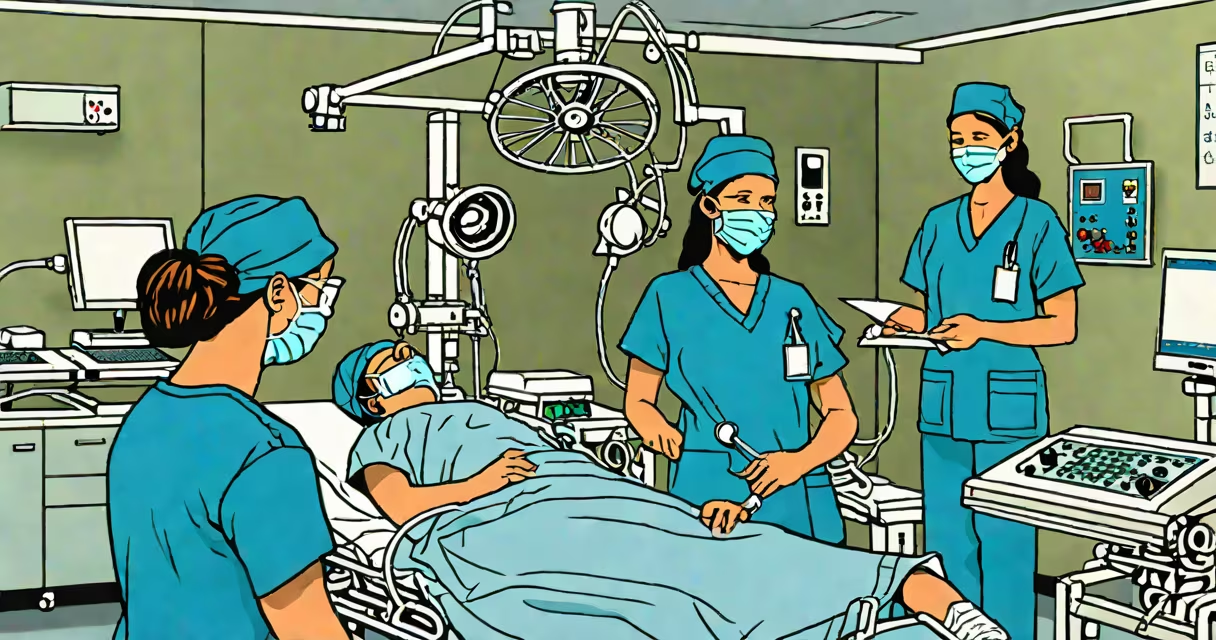
A surgical nurse is a registered nurse who specializes in supporting patients during surgical procedures, maintaining sterile environments, and assisting surgeons with instruments and patient care. They work primarily in operating rooms and are essential to safe, efficient surgery.
Surgical nurses are trained in perioperative care-the period before, during, and after surgery. Their tasks include preparing the operating room, sterilizing equipment, verifying patient identity and procedure details, and monitoring important signs throughout the operation. They must respond quickly to changes in a patient's condition and communicate with surgeons, anesthesiologists, and other team members.
According to the Association of PeriOperative Registered Nurses (AORN), surgical nurses must complete specialized education and certification, such as the Certified Perioperative Nurse (CNOR) credential, to practice. This ensures they meet national standards for patient safety and procedural accuracy.
Before surgery begins, the surgical nurse confirms the correct patient, procedure, site, and consent form. They then set up the sterile field, arrange instruments, and ensure all equipment functions properly. This phase is critical-errors in setup can delay surgery or lead to complications.
During the procedure, two primary roles exist: the scrub nurse and the circulating nurse. The scrub nurse wears sterile gloves and gown, handles instruments directly, and passes tools to the surgeon. The circulating nurse remains outside the sterile field, manages supplies, monitors time and blood loss, and coordinates communication between team members.
After surgery, the surgical nurse helps transfer the patient to recovery, documents findings, and disposes of contaminated materials safely. They also provide immediate post-op care, such as checking for bleeding or airway obstruction, and report concerns to the anesthesia team.
There are two distinct clinical roles within surgical nursing:
| Role | Responsibilities | Work Environment |
|---|---|---|
| Scrub Nurse | Handles sterile instruments, counts sponges and needles, anticipates surgeon needs | Inside the sterile field, during surgery |
| Circulating Nurse | Manages non-sterile tasks, tracks time and fluid intake, ensures compliance with protocols | Outside the sterile field, throughout the procedure |
Both roles require advanced situational awareness. For example, during a laparoscopic cholecystectomy (gallbladder removal), the scrub nurse must anticipate the need for a suction device or a specific grasper based on the surgeon's movements. The circulating nurse ensures the correct medication is available and that the clock shows accurate elapsed time-critical for tracking anesthesia duration and preventing errors.
Some surgical nurses specialize further, such as in neurosurgery, cardiac surgery, or pediatric procedures. These areas demand additional training due to complex anatomy and higher risk levels. A pediatric surgical nurse, for instance, must adjust instrument size and technique for small patients and manage parents' emotional needs during pre-op visits.
Many people confuse surgical nurses with surgical assistants or physician assistants. A surgical nurse is not a doctor and cannot perform surgical incisions or make independent medical decisions. Their role is strictly supportive and collaborative under the direction of the surgeon.
Another misunderstanding is that surgical nurses only assist during the operation. In reality, they are involved in pre-op planning, intraoperative coordination, and post-op follow-up. A study published in the Journal of PeriAnesthesia Nursing found that surgical nurses were responsible for 68% of infection control checks in the operating room, including verifying sterilization logs and handling biohazard waste.
Surgical nurses are not interchangeable with general registered nurses (RNs). While all surgical nurses are RNs, not all RNs have the training or certification required for operating room settings. The average annual salary for a surgical nurse in the U.S. is $85,000, according to the Bureau of Labor Statistics, reflecting the high skill level and responsibility involved.
Consider a 7:30 a.m. scheduled total knee replacement at a regional hospital. The scrub nurse arrives at 6:45 a.m., sets up the instrument tray, verifies the implant size matches the surgeon's order, and conducts a pre-surgery count with the circulating nurse. They confirm the patient's wristband matches the consent form and verify the surgical site with a marking.
During the procedure, the scrub nurse hands the surgeon a rongeur for bone removal and a suction tip when needed. The circulating nurse monitors the time, notes the amount of saline used, and alerts the team when the patient's blood pressure drops slightly. After the surgery ends, both nurses document the procedure, dispose of sharps in designated containers, and hand off the patient to the recovery room nurse.
This coordinated effort reduces surgical delays and prevents errors. AORN reports that consistent surgical nurse involvement reduces wrong-site surgeries by 92% compared to facilities with inconsistent staffing.
Surgical nurses focus on time-sensitive, high-stakes interventions. Unlike a nurse practitioner, who diagnoses and treats patients independently, or a general RN who manages chronic care, surgical nurses operate in a tightly regulated environment where mistakes can cause immediate harm.
For example, a nurse practitioner may manage diabetes through medication adjustments and lifestyle counseling. A surgical nurse, however, helps a diabetic patient undergoing foot surgery maintains stable glucose levels during the procedure by coordinating with the anesthesiologist and monitoring IV insulin flow.
The role of a surgical nurse is not just about passing instruments-it's about protecting lives through precision, preparation, and presence. Their work happens behind the scenes but shapes outcomes every single day.