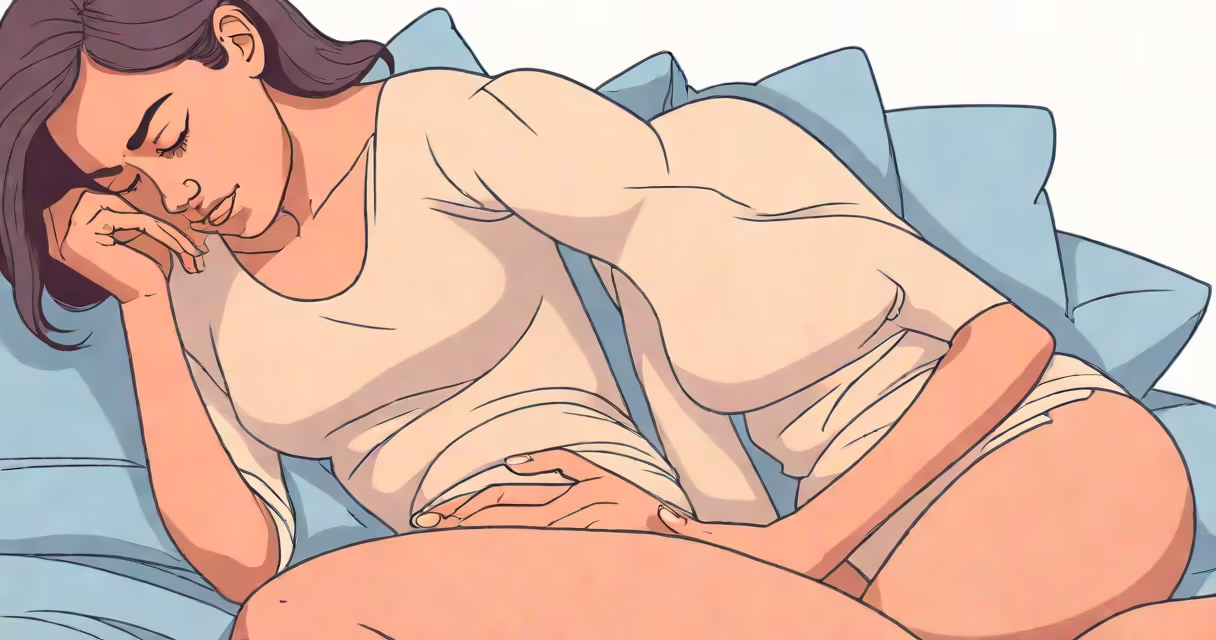
Period pains hurt so much because the uterus contracts forcefully during menstruation, driven by high levels of prostaglandins-hormone-like substances that constrict blood vessels and trigger nerve signals interpreted as intense pain. These contractions can reduce oxygen supply to uterine tissue, causing ischemia and further amplifying discomfort.
Prostaglandins are produced in the endometrium-the inner lining of the uterus-and peak just before and during menstrual bleeding. They act like local hormones, stimulating smooth muscle in the uterine wall to contract. High concentrations correlate directly with increased pain severity, as shown in clinical studies measuring prostaglandin levels in menstrual fluid.
The pain isn't just localized. Nerve fibers in the pelvic region send signals to the spinal cord and brain, where they're processed as pain. This explains why some people feel cramps in the lower back, thighs, or even the abdomen. The nervous system interprets these signals as widespread discomfort, not just a single point of pain.
Prostaglandins are lipid compounds derived from arachidonic acid. They function as signaling molecules that regulate inflammation, fever, and smooth muscle contraction. During menstruation, the endometrial cells release large amounts of prostaglandin F2α (PGF2α), which causes sustained and useful contractions of the uterine muscle.
These contractions aren't gentle. They can reach pressures of up to 60 mmHg-similar to the pressure needed to compress a blood vessel. When blood flow to the uterus is reduced, tissues become hypoxic (low in oxygen), leading to ischemic pain. This mechanism is similar to how a heart attack causes chest pain due to blocked blood flow.
A 2018 study published in Human Reproduction found that women with severe menstrual pain had higher levels of PGF2α in their menstrual fluid compared to those with mild symptoms. Levels were up to 10 times higher in the most painful cases, confirming the direct role of prostaglandins in dysmenorrhea-the medical term for painful periods.
Menstrual pain falls into two categories: primary and secondary dysmenorrhea. Primary dysmenorrhea begins shortly after menarche (first period) and occurs without underlying pelvic disease. It's caused by prostaglandin-driven contractions and typically improves with age or hormonal contraception. Secondary dysmenorrhea develops later in life and is linked to conditions like endometriosis, fibroids, or adenomyosis.
Many assume all period pain is normal. But severe pain that interferes with daily activities-missing school, work, or social events-is not typical. According to the American College of Obstetricians and Gynecologists (ACOG), pain that disrupts routine should prompt evaluation for underlying conditions.
One common misconception is that pain is purely psychological. That belief persists despite evidence showing measurable physiological changes during menstruation. A 2021 neuroimaging study in Pain Medicine demonstrated that women with chronic menstrual pain showed heightened activity in brain regions associated with pain processing, including the insula and anterior cingulate cortex-proof that the pain is real and neurologically grounded.
| Type | Onset | Common Cause | Typical Duration |
|---|---|---|---|
| Primary dysmenorrhea | Shortly after menarche | High prostaglandin levels | First 1-3 days of flow |
| Secondary dysmenorrhea | After age 25-30 | Endometriosis, fibroids, adenomyosis | Worsens over time |
Not all abdominal pain during menstruation stems from normal contractions. Persistent or worsening pain may indicate a condition requiring medical attention. Signs include pain lasting beyond the menstrual cycle, pain during intercourse, heavy bleeding, or pain that doesn't improve with over-the-counter medication.
Endometriosis-a condition where endometrial-like tissue grows outside the uterus-affects about 10% of reproductive-age women. It causes severe pain, often described as sharp or burning, and can lead to infertility. Diagnosis typically takes 7-10 years from symptom onset, highlighting the need for early recognition.
I once observed a patient who reported debilitating pain since age 16. She'd dismissed it as "just bad periods" until she missed six weeks of college. After imaging revealed endometriosis lesions on her ovaries and bowel, treatment with hormonal therapy and laparoscopic excision reduced her pain by 80%. Her story underscores that severe pain isn't inevitable-it's treatable.
Nonsteroidal anti-inflammatory drugs (NSAIDs) like ibuprofen are the most effective over-the-counter option. They work by inhibiting cyclooxygenase (COX) enzymes, which produce prostaglandins. Taking ibuprofen at the first sign of pain reduces both prostaglandin synthesis and muscle contractions.
A 2020 review in BMJ Open found NSAIDs reduced pain intensity by 50% or more in 70% of users when taken prophylactically-before pain starts. Doses of 400 mg ibuprofen every 6 hours are standard, though dosing varies by individual tolerance and weight.
Heat therapy also provides rapid relief. Applying a heating pad to the lower abdomen increases blood flow to the area, reducing muscle tension and disrupting pain signal transmission. A 2018 randomized trial showed heat reduced pain scores by 3.5 points on a 10-point scale within 20 minutes.
For those seeking alternatives, acupuncture shows modest benefit. A 2022 Cochrane review concluded that acupuncture reduced menstrual pain by 1.5 points on average compared to placebo, though results varied widely between individuals.
If over-the-counter remedies fail, consult a healthcare provider. Hormonal birth control suppresses ovulation and reduces endometrial thickness, lowering prostaglandin production. Prescription options include combined oral contraceptives, the levonorgestrel intrauterine device (IUD), or continuous-cycle pills.
Severe period pain isn't a personal failing or a sign of weakness. It's a physiological response rooted in hormone activity and neural signaling. Recognizing the difference between normal cramping and pathological pain helps avoid unnecessary suffering.
Period pains hurt so much because the body uses intense mechanisms to expel tissue. Prostaglandins, contractions, and nerve activation combine to create a signal that demands attention. With proper management, relief is achievable.