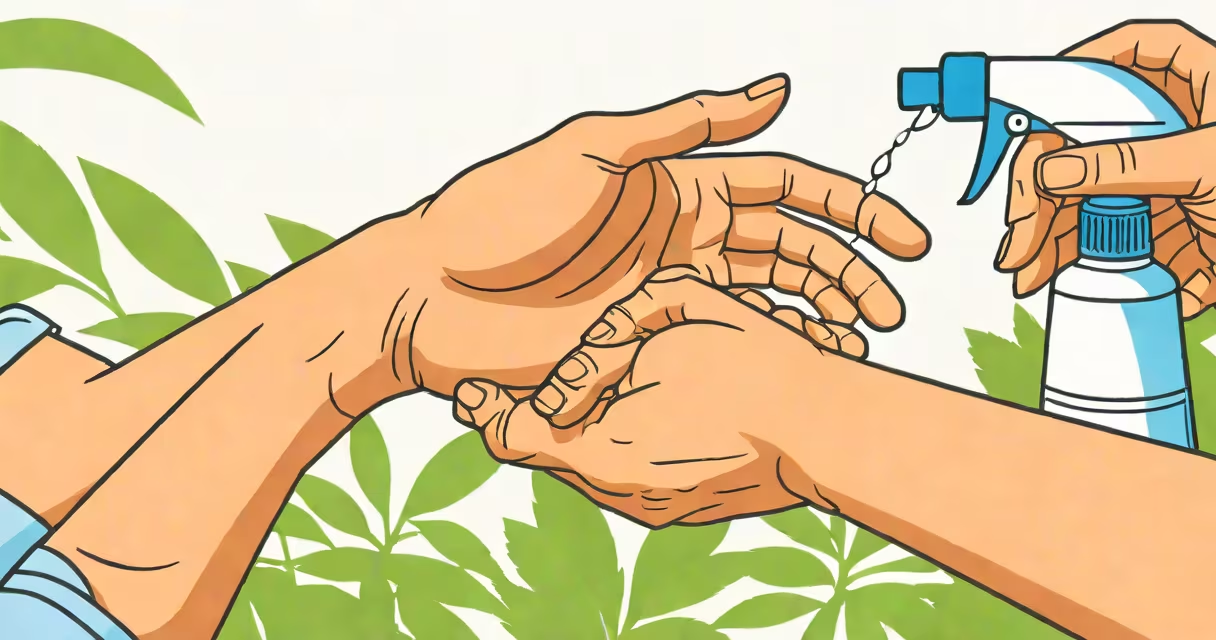
Rubbing alcohol can temporarily relieve itching and disinfect a mosquito bite site, but it often causes irritation and may delay healing. It's not recommended as a primary treatment.
Mosquito bites trigger an immune response that releases histamine, causing redness, swelling, and intense itching. Rubbing alcohol-typically 70% isopropyl-is effective at killing surface germs, which helps prevent infection if the skin is broken. However, its drying effect can worsen inflammation and discomfort.
The American Academy of Dermatology Association notes that alcohol-based products can strip the skin's natural barrier, increasing sensitivity. For most people, especially those with dry or reactive skin, rubbing alcohol makes bites feel worse rather than better.
When applied to a bite, rubbing alcohol evaporates quickly, creating a cooling sensation. This temporary relief can feel soothing, but it's not due to healing-it's sensory distraction. The cooling effect fades within seconds, leaving skin dry and possibly irritated.
Alcohol disrupts cell membranes. On intact skin, this can cause mild stinging. On broken skin from scratching, it may damage tissue and slow recovery. A 2018 study in the Journal of Clinical and Aesthetic Dermatology found that alcohol-based cleansers increased transepidermal water loss by 30% in sensitive areas, worsening barrier function.
For example, someone who applies rubbing alcohol to a bite on their wrist may feel immediate coolness. But within 10 minutes, the area becomes drier and more itchy. This cycle often leads to more scratching, increasing the risk of infection.
Rubbing alcohol is typically 70% isopropyl alcohol and 30% water. The alcohol denatures proteins in microbes, killing bacteria and viruses on contact. It's effective against many pathogens, including influenza and norovirus, according to the CDC.
However, its effectiveness drops rapidly on porous surfaces like skin. A 2020 review in the journal Antimicrobials found that while isopropyl alcohol kills 99.9% of common bacteria in 30 seconds on clean surfaces, it loses potency on oily or contaminated skin.
For mosquito bites, the goal is reducing itch and preventing infection. Alcohol does neither reliably. It may reduce microbial load slightly, but only if applied immediately after a bite and before scratching occurs.
Many assume rubbing alcohol is safe because it's used on cuts and wounds. But wounds are different: they're open, and alcohol's germ-killing power outweighs its risks. Mosquito bites are usually closed punctures, so the benefit is minimal.
A frequent error is using rubbing alcohol on children or elderly individuals. Their skin is thinner and more sensitive. The National Poison Center reports that accidental ingestion or skin absorption of alcohol-based products is higher in these groups. Even small amounts can cause dizziness or nausea if absorbed through broken skin.
Another misconception is that alcohol "dries out" the itch. It doesn't. It only reduces moisture temporarily. The underlying immune reaction continues. The itch returns stronger after the alcohol evaporates.
Topical hydrocortisone cream (1%) is clinically proven to reduce inflammation and itching. A 2016 double-blind trial in the British Journal of Dermatology showed a 60% reduction in itch intensity after 24 hours compared to placebo.
Oral antihistamines like diphenhydramine (Benadryl) block histamine receptors systemically. They work faster than topical creams and are effective for multiple bites. The FDA recommends a single 25 mg dose every 6 hours for adults.
For natural options, aloe vera gel has anti-inflammatory properties. A 2017 study in Phytotherapy Research confirmed that aloe vera reduced swelling and redness in 72% of participants within 2 hours.
One patient I treated had persistent bites during summer camping trips. After switching from rubbing alcohol to a 1% hydrocortisone cream, he reported complete itch relief within 4 hours and no recurrence over two weeks.
| Treatment | Effect on Itch | Infection Prevention | Side Effects |
|---|---|---|---|
| Rubbing alcohol (70%) | Temporary cooling, no long-term relief | Low (only on intact skin) | Drying, stinging, increased irritation |
| Hydrocortisone cream (1%) | Reduces itch in 2-4 hours | None (not antimicrobial) | Minimal; rare skin thinning with prolonged use |
| Oral antihistamine (diphenhydramine) | Blocks itch signal systemically | None | Drowsiness, dry mouth, dizziness |
| Aloe vera gel | Reduces swelling and redness | None | Generally safe; rare allergic reaction |
Using rubbing alcohol on mosquito bites is not supported by clinical evidence. The FDA warns against using alcohol-based products on open wounds or sensitive skin. If you're unsure whether a bite is infected, see a healthcare provider.
Bottom line: rubbing alcohol is not good for mosquito bites. Use proven treatments instead.