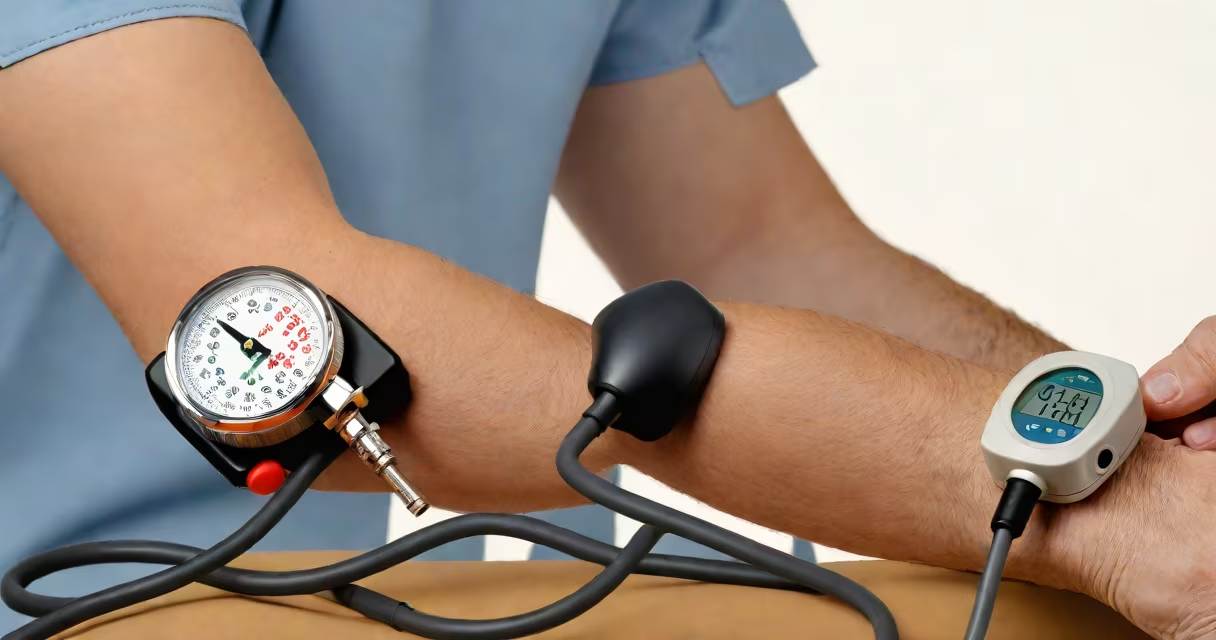
Low blood pressure, or hypotension, occurs when your blood pressure falls below 90/60 mm Hg. This reading indicates insufficient force to push blood through your arteries effectively. A single low reading doesn't always signal a problem, but consistent values below this threshold may require evaluation.
Blood pressure measures the force of blood against artery walls during heartbeats (systolic) and between beats (diastolic). Normal pressure is around 120/80 mm Hg. When systolic drops below 90 or diastolic below 60, clinicians classify it as low. The American Heart Association defines hypotension as such, emphasizing that context matters-some people function well at lower levels.
For example, a 28-year-old endurance runner with a resting reading of 88/56 mm Hg may feel fine. But a 70-year-old with the same reading and dizziness upon standing likely has a clinical issue. Blood pressure varies throughout the day and changes with posture, hydration, and activity. A single measurement isn't diagnostic.
Your circulatory system relies on balanced pressure to deliver oxygen-rich blood to tissues. When pressure drops, organs may not receive enough blood flow. This can impair brain function, leading to confusion or loss of consciousness. The body responds by increasing heart rate and constricting blood vessels to maintain perfusion.
Orthostatic hypotension-a drop in blood pressure upon standing-is common. It happens when gravity pools blood in the legs, reducing return to the heart. A 2021 study in Circulation found that 15% of adults over 65 experience this condition, often triggered by medications or dehydration.
When blood pressure falls too low, the brain's baroreceptors detect reduced stretch in arteries and signal the nervous system to compensate. Adrenaline release increases heart rate and vasoconstriction. If compensation fails, symptoms appear quickly-within seconds to minutes.
Low blood pressure arises from multiple causes. Some are temporary; others indicate underlying conditions. The most frequent types include:
| Type | Trigger | Typical Setting |
|---|---|---|
| Postural (orthostatic) | Standing up quickly | Older adults, medication users |
| Neurally mediated | Emotional stress, pain, prolonged standing | Young adults, fainting episodes |
| Severe hypotension | Shock, sepsis, major bleeding | Emergency room, critical care |
| Medication-induced | Antihypertensives, antidepressants | Chronic disease management |
Postural hypotension affects about 1 in 5 older adults. It's often linked to antihypertensive drugs like beta-blockers or calcium channel blockers. A 2020 review in JAMA Internal Medicine noted that 30% of patients on multiple blood pressure medications experienced symptomatic drops.
Neurally mediated hypotension occurs when the autonomic nervous system misfires. After standing for long periods, the body fails to adjust blood vessel tone. This causes lightheadedness or syncope. It's common in young adults and often triggered by emotional stress or prolonged standing in hot environments.
Severe hypotension signals life-threatening conditions. Sepsis, massive hemorrhage, or anaphylaxis can cause rapid drops. In these cases, systolic pressure may fall below 90 mm Hg within minutes. Immediate treatment is essential. Without intervention, organ failure follows.
Low blood pressure isn't always symptomatic. Many people have naturally low readings without issues. However, when symptoms appear, they typically include dizziness, blurred vision, fatigue, nausea, and fainting. These occur because the brain receives less oxygenated blood.
A common misconception is that low blood pressure always requires treatment. That's false. Asymptomatic individuals with readings below 90/60 mm Hg don't need intervention unless they develop symptoms. The Mayo Clinic states that low BP is only concerning when it causes functional impairment.
Another error is equating low blood pressure with poor health. Athletes often have low resting blood pressure due to efficient cardiac output. A 2019 study in European Journal of Applied Physiology found elite endurance athletes averaged 85/55 mm Hg at rest-well below standard thresholds-but had no adverse outcomes.
I once observed a 34-year-old woman with a reading of 82/50 mm Hg who reported no symptoms. She was a marathon runner with excellent cardiovascular fitness. Her doctor confirmed she was healthy. This illustrates that baseline values must be interpreted alongside clinical context.
Consult a healthcare provider if low blood pressure causes persistent dizziness, fainting, or confusion. These signs suggest inadequate cerebral perfusion. A sudden drop in blood pressure-even if asymptomatic-warrants attention if it follows a change in medication or illness.
Specific red flags include:
If you're taking blood pressure medication and notice symptoms, contact your provider. Dose adjustments may be needed. Never stop medication abruptly.
Understanding your personal baseline is key. If you've noticed a pattern of low readings with symptoms, see a physician. They may perform tilt-table testing, blood work, or imaging to identify root causes. Early diagnosis improves outcomes, especially in chronic or recurrent cases.