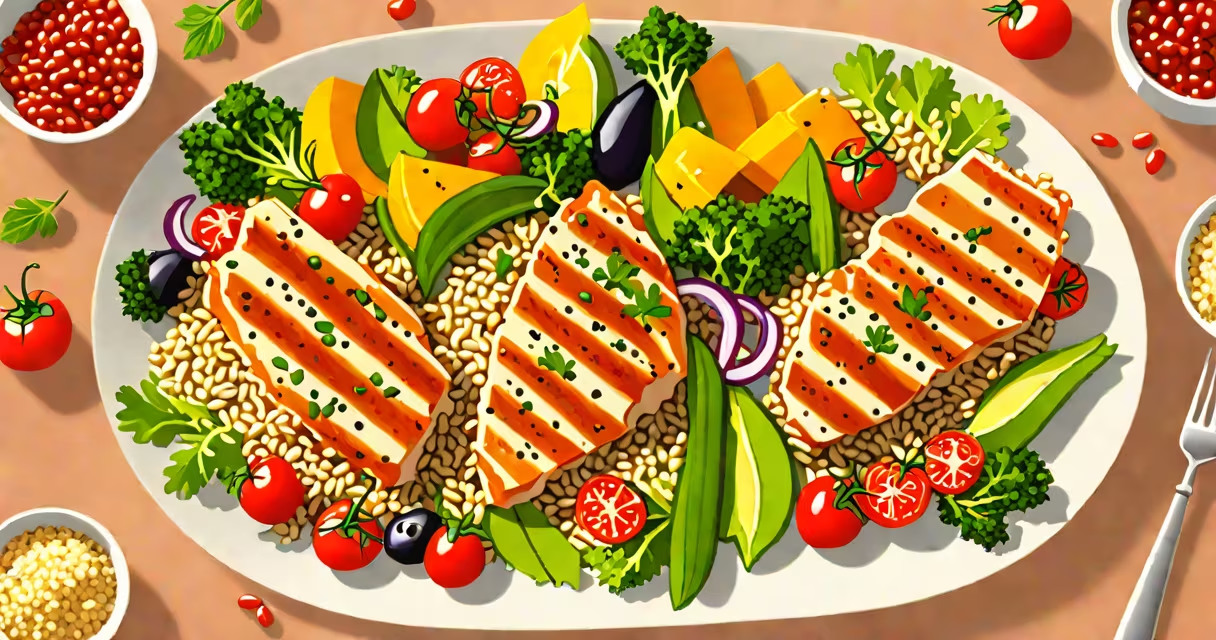
A protein diet to lose weight quickly emphasizes high-protein foods to increase fullness, maintain muscle mass, and accelerate fat loss during a calorie deficit. This approach leverages protein's thermic effect and satiety properties to support faster weight reduction compared to standard diets.
Protein requires more energy to digest than fats or carbohydrates-about 20-30% of its calories are burned during metabolism, versus 5-10% for carbs and 0-3% for fats. This higher thermic effect increases daily calorie expenditure. Protein also suppresses hunger hormones like ghrelin and boosts satiety hormones such as PYY and GLP-1, reducing food intake.
Studies show that people on high-protein diets report less hunger and consume fewer calories spontaneously. A 2016 randomized controlled trial published in The American Journal of Clinical Nutrition found participants on a 30% protein diet lost 2.5 kg more fat over 12 weeks than those on a 15% protein diet, despite similar total calorie intake.
When you restrict calories, your body breaks down both fat and muscle for energy. High protein intake signals the body to prioritize muscle preservation. This maintains metabolic rate and improves long-term weight maintenance.
Protein also stabilizes blood sugar levels. Low blood sugar triggers cravings and fatigue, leading to overeating. By slowing glucose release, protein reduces energy crashes and emotional eating episodes common during weight loss.
For example, replacing a morning bagel (30g carbs, 3g protein) with scrambled eggs (12g protein, 5g fat) increases satiety. One study showed that men who ate a high-protein breakfast consumed 15% fewer calories at lunch than those who ate a high-carb breakfast.
Target 1.6-2.2 grams of protein per kilogram of body weight daily. For a 70 kg person, that's 112-154 grams of protein per day. Spread across 3-4 meals to maximize muscle protein synthesis.
| Food Type | Protein per 100g | Example Serving |
|---|---|---|
| Grilled chicken breast | 31g | 150g = 46.5g protein |
| Salmon (wild-caught) | 20g | 120g = 24g protein |
| Plain Greek yogurt (non-fat) | 10g | 200g = 20g protein |
| Black beans (canned, drained) | 8g | 1 cup = 15g protein |
Include lean animal proteins like skinless poultry, fatty fish, and low-fat dairy. Plant-based options include lentils, tofu, tempeh, and edamame. Prioritize whole foods over processed meat products due to added sodium and nitrates.
One mistake many make: assuming all protein sources are equal. A 2020 review in Nutrients found that animal-based proteins have higher essential amino acid profiles, especially leucine, which strongly activates muscle protein synthesis. Plant proteins often lack one or more essential amino acids, requiring strategic combining.
Some believe high-protein diets harm kidney function. Healthy individuals with normal renal function do not experience kidney damage from increased protein intake. The National Kidney Foundation confirms that protein intake up to 2.0 g/kg/day poses no risk to healthy kidneys.
Another myth: protein diets cause dehydration. While protein metabolism produces nitrogen waste requiring water excretion, this is offset by increased thirst and fluid intake. A 2018 study in European Journal of Clinical Nutrition found no significant difference in hydration status between high-protein and control groups.
People also assume they must eat protein at every meal. While spreading intake across the day optimizes muscle retention, missing one meal doesn't negate benefits. Focus on consistent daily totals rather than rigid timing.
In a 16-week trial at the University of Connecticut, 48 overweight adults were assigned to either a high-protein (30% of calories from protein) or moderate-protein (15%) diet. Both groups reduced daily calories by 500. The high-protein group lost 8.2 kg on average, with 6.7 kg from fat. The moderate-protein group lost 5.4 kg total, with 4.1 kg from fat.
Subject: 34-year-old woman, 165 cm, 82 kg, sedentary job.
After 12 weeks, she lost 7.3 kg, primarily fat. She reported reduced cravings and sustained energy. Her resting metabolic rate stayed stable, unlike typical weight loss where it drops.
While protein diet to lose weight quickly shows strong results, it's not a standalone fix. Combine it with consistent sleep, stress management, and movement. A 2021 meta-analysis in Obesity Reviews found that high-protein diets paired with resistance training led to 2.3 times greater fat loss and better body composition than diet alone.