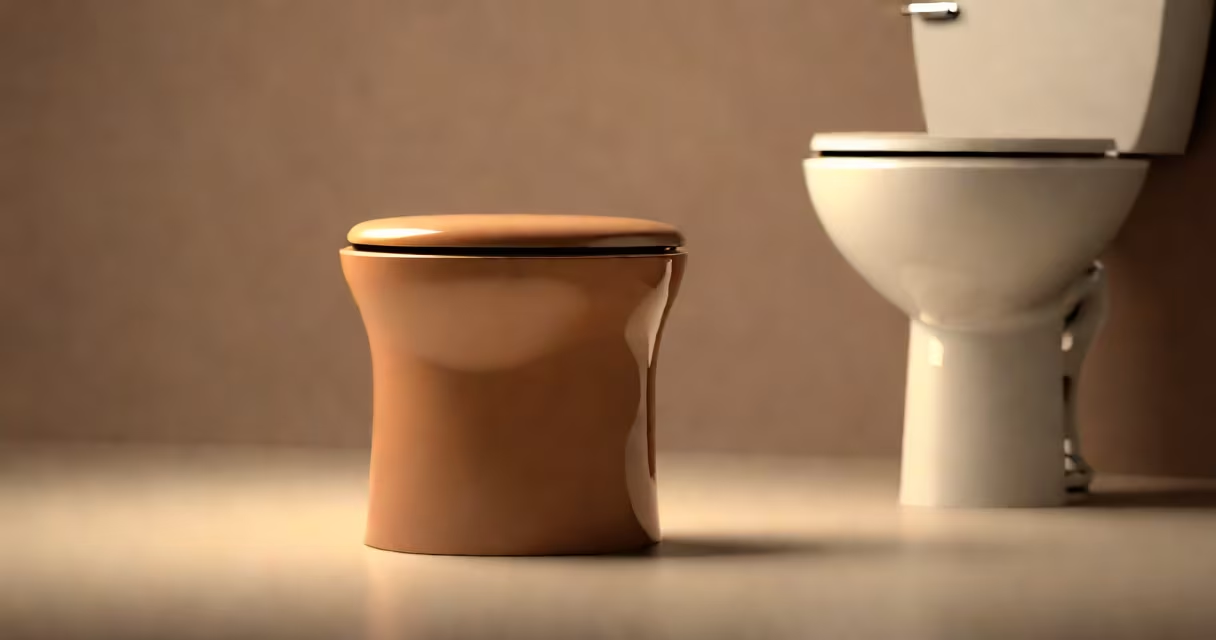
Healthy stool typically ranges from light tan to dark brown due to bile pigments and digestion by gut bacteria. This color reflects normal liver function and bile production.
Bile, produced by the liver and stored in the gallbladder, gives stool its characteristic brown hue. As food moves through the small intestine, bile breaks down fats and undergoes chemical changes. By the time waste reaches the colon, bacterial action converts bilirubin into stercobilin, which imparts the familiar brown color.
The Bristol Stool Scale categorizes stool consistency from Type 1 (separate hard lumps) to Type 7 (watery diarrhea). Types 3 and 4-pebble-shaped and sausage-like-are ideal. Consistent texture and color indicate stable digestive function.
Stool color varies based on diet, medication, and health status. Most variations are harmless and temporary.
| Color | Most Likely Cause | When to Monitor |
|---|---|---|
| Light brown to golden brown | Normal digestion; high-fat meals | No concern unless persistent |
| Dark brown | High iron intake; black licorice | Check for iron supplements or dietary sources |
| Green | Fast transit; leafy greens; chlorophyll | Common after eating kale or rapid digestion |
| Yellow or pale | Malabsorption; lack of bile flow | Consult a doctor if lasting more than 2 days |
| Red or maroon | Blood in stool; hemorrhoids; colorectal issues | Seek medical evaluation promptly |
Green stool often results from rapid intestinal transit. Bile doesn't have time to break down completely, leaving a greenish tint. This occurs after spicy foods, high-fiber meals, or during stress-induced diarrhea. A 2021 study in *Gastroenterology & Hepatology* noted that 68% of patients reporting green stool had no underlying disease-most returned to normal within 48 hours.
Pale or clay-colored stools suggest blocked bile ducts. Causes include gallstones, pancreatitis, or liver disease. The absence of stercobilin prevents pigment deposition. According to the American Gastroenterological Association, persistent pale stool warrants imaging such as an ultrasound or MRCP to rule out obstruction.
Stool color shifts aren't always benign. Persistent or unusual hues may reflect serious conditions.
Black, tarry stool (melena) indicates upper gastrointestinal bleeding. Blood oxidizes in the stomach or small intestine, turning it dark. The Mayo Clinic reports that melena appears in 15% of peptic ulcer cases and requires immediate endoscopy to locate the source.
Red or maroon stool suggests lower GI bleeding. Hemorrhoids, diverticulosis, or colorectal cancer can cause this. A 2022 analysis in *The Lancet Gastroenterology & Hepatology* found that 37% of people with visible blood in stool had polyps or early-stage cancer detected via colonoscopy.
One non-obvious fact: certain antibiotics like metronidazole can turn stool green. This is due to altered gut flora and increased bile excretion. The effect resolves after stopping the drug. Always consider medication history when assessing stool color.
In 2020, a 45-year-old woman reported yellow, greasy stool for five days. She had no fever or pain. Her diet included daily kale smoothies and probiotic supplements. Stool tests showed fat malabsorption. Further testing revealed she had lactose intolerance and mild pancreatic insufficiency. After reducing dairy and adjusting her supplement regimen, stool normalized in seven days.
This case illustrates that diet and gut microbiome play major roles. Not all color changes require intervention-but tracking patterns matters.
Many assume any change in stool color means illness. That's incorrect. Temporary shifts are common and usually linked to food or medicine.
For example, blue or red food dyes in candy or gelatin desserts can pass through unchanged. A 2019 report in *Clinical Toxicology* documented four children who passed brightly colored stool after eating jelly beans-no treatment was needed.
Another misconception: all red stool equals blood. Bright red streaks on the surface may come from beets, red wine, or tomato sauce. These don't penetrate the stool matrix. Distinguish between surface staining and internal bleeding by checking if the color is evenly distributed.
Consult a healthcare provider if stool color persists beyond 48 hours, especially with:
Stool color is a window into digestive health. Normal variation is expected. But consistent deviation-especially with symptoms-warrants attention. Keep a log of color, consistency, and associated factors to share with your clinician.