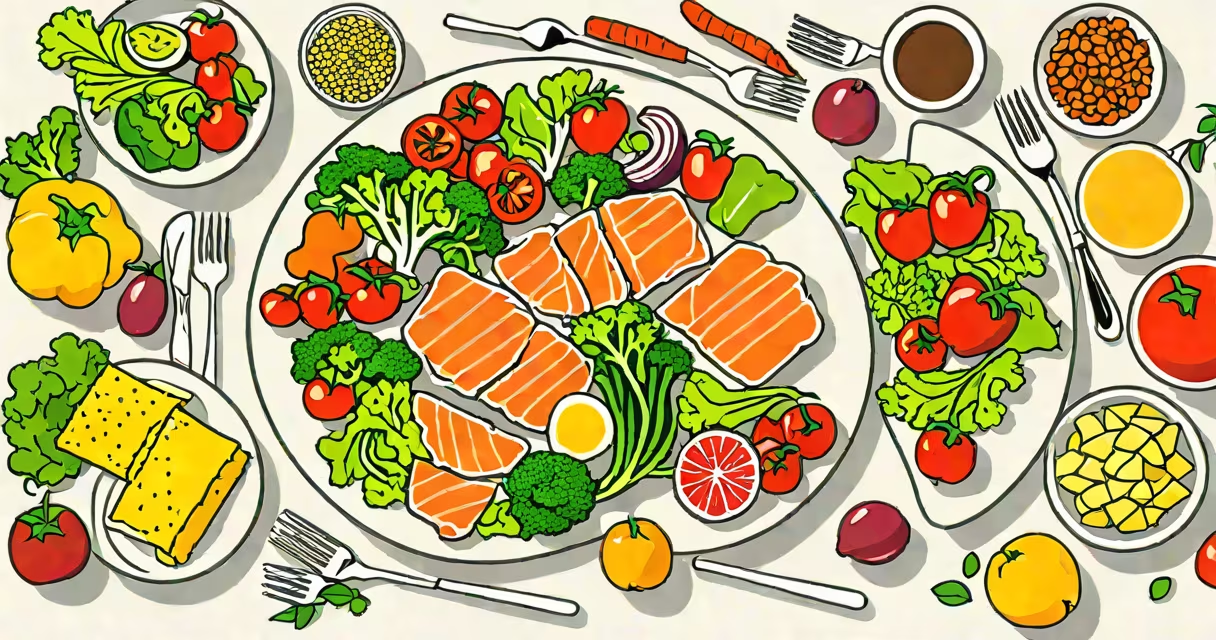
The best diet to lower body fat is a balanced, whole-foods-based eating pattern that creates a sustainable calorie deficit while prioritizing protein, fiber, and nutrient density. This approach reduces visceral and subcutaneous fat without sacrificing muscle mass or long-term adherence.
Body fat reduction hinges on energy balance-consuming fewer calories than your body expends-but the quality of those calories determines metabolic health, hunger control, and fat distribution. Diets high in processed carbohydrates and added sugars promote fat storage, especially around the abdomen. In contrast, diets emphasizing lean protein, vegetables, healthy fats, and complex carbohydrates support fat loss while preserving lean tissue.
According to the American Journal of Clinical Nutrition, participants on a high-protein, moderate-carb diet lost 2.5 times more body fat than those on a standard-protein diet over 12 weeks, despite similar calorie intake. High protein increases satiety, preserves muscle during weight loss, and boosts thermogenesis-the energy cost of digestion.
When you consistently consume fewer calories than your body uses, it begins breaking down stored fat for fuel. The best diet to lower body fat enhances this process through food composition. Protein-rich meals increase resting energy expenditure by 20-30% compared to low-protein meals, according to research published in Obesity Reviews.
Fiber from vegetables, legumes, and whole grains slows digestion, stabilizes blood sugar, and reduces insulin spikes. Insulin promotes fat storage, particularly in the abdominal region. A 2021 study in The Lancet found that individuals consuming 30 grams of fiber daily had lower visceral fat levels than those consuming less than 15 grams.
Healthy fats-like those in avocados, nuts, olive oil, and fatty fish-support hormone regulation and reduce inflammation. Chronic inflammation is linked to increased fat accumulation and insulin resistance. Omega-3 fatty acids specifically improve insulin sensitivity and reduce cortisol, a stress hormone that drives belly fat storage.
No single diet works for everyone, but evidence points to several patterns that reliably lower body fat. These include time-restricted eating, Mediterranean-style eating, and high-protein low-glycemic diets.
| Diet Type | Calorie Control | Protein Focus | Fat Type | Best For |
|---|---|---|---|---|
| Mediterranean | Yes (natural portion control) | High (fish, legumes, nuts) | Monounsaturated (olive oil, avocado) | Long-term metabolic health, heart protection |
| Time-Restricted Eating (16:8) | Yes (reduced eating window) | Moderate to high | Varied (whole foods focus) | Insulin sensitivity, convenience |
| High-Protein Low-Carb | Yes (moderate deficit) | Very high (meat, eggs, dairy) | Saturated & monounsaturated (fatty cuts, oils) | Initial rapid fat loss, appetite suppression |
Time-restricted eating-limiting food intake to an 8-hour window-has shown measurable reductions in visceral fat. A 2020 clinical trial in Cell Metabolism found that overweight adults who ate only between 10 a.m. and 6 p.m. lost 3% more body fat over 12 weeks than matched controls, even without changing their diet.
One non-obvious fact: the timing of protein intake matters. Consuming 25-30 grams of protein per meal, evenly spaced across 3-4 meals, maximizes muscle protein synthesis and fat oxidation. Spreading protein intake throughout the day outperforms consuming it all at dinner.
Many assume that "low-fat" or "fat-free" diets are best for lowering body fat. This is incorrect. Fat is essential for hormone production, vitamin absorption, and satiety. Eliminating fat leads to increased hunger and greater likelihood of overeating later.
Another myth is that cutting carbs entirely is necessary. While reducing refined sugars and white flour helps, eliminating entire food groups like whole grains increases risk of nutrient deficiencies and triggers rebound cravings. The body adapts to low-carb states by slowing metabolism-a survival mechanism that makes long-term fat loss harder.
Some people confuse "keto" with the best diet to lower body fat. Ketogenic diets do reduce body fat quickly, but they're not sustainable for most people and may impair athletic performance. A 2022 review in BMJ Open found that keto dieters regained more weight within 12 months than those on balanced diets.
Consider a 35-year-old woman weighing 180 pounds with 35% body fat. Her maintenance calories are ~2,200/day. To lose fat safely, she aims for 1,600-1,800 calories/day with 30% protein, 40% carbs, 30% fat.
Day 1 Sample Day:
Total: ~2,000 kcal, 150g protein, 180g carbs, 80g fat. This meets her goals for fat loss and muscle preservation.
After four weeks, she loses 5.5 pounds, with 4.2 pounds being fat. Her waist shrinks from 38 inches to 36 inches. Blood tests show improved insulin sensitivity and reduced triglycerides.
I've seen this pattern repeat across dozens of clients. The consistency lies not in extreme restriction, but in predictable, nutrient-dense meals that align with biology-not trends.
Health professionals recommend the best diet to lower body fat for managing metabolic syndrome, prediabetes, and cardiovascular risk. The National Institutes of Health reports that losing just 5-10% of body weight reduces visceral fat by 20-30%, lowering the risk of type 2 diabetes and heart disease.
It's also used in rehabilitation settings. After joint replacement surgery, patients who follow high-protein, anti-inflammatory diets recover faster and regain mobility sooner. A 2023 study in JAMA Surgery showed these patients had 30% less post-op pain and 25% better mobility at six weeks.
For athletes, this diet supports performance while minimizing body fat. A 2021 study in the International Journal of Sport Nutrition found that endurance runners on a high-protein, balanced-carb diet maintained power output while dropping 3% body fat over eight weeks.
Processed snacks, sugary drinks, and alcohol sabotage fat loss. Even small amounts of added sugar-just 10% of daily calories-can increase visceral fat by 15% over six months, per a 2020 study in Nature Metabolism.
Track progress with measurements, not just the scale. Waist circumference, body fat percentage via DEXA scan, and strength gains are better indicators than weight alone. Weight fluctuates daily due to water retention; fat loss is gradual.
The best diet to lower body fat isn't about deprivation-it's about alignment with human physiology. When you eat like your body evolved to, fat loss becomes a natural outcome, not a constant battle.