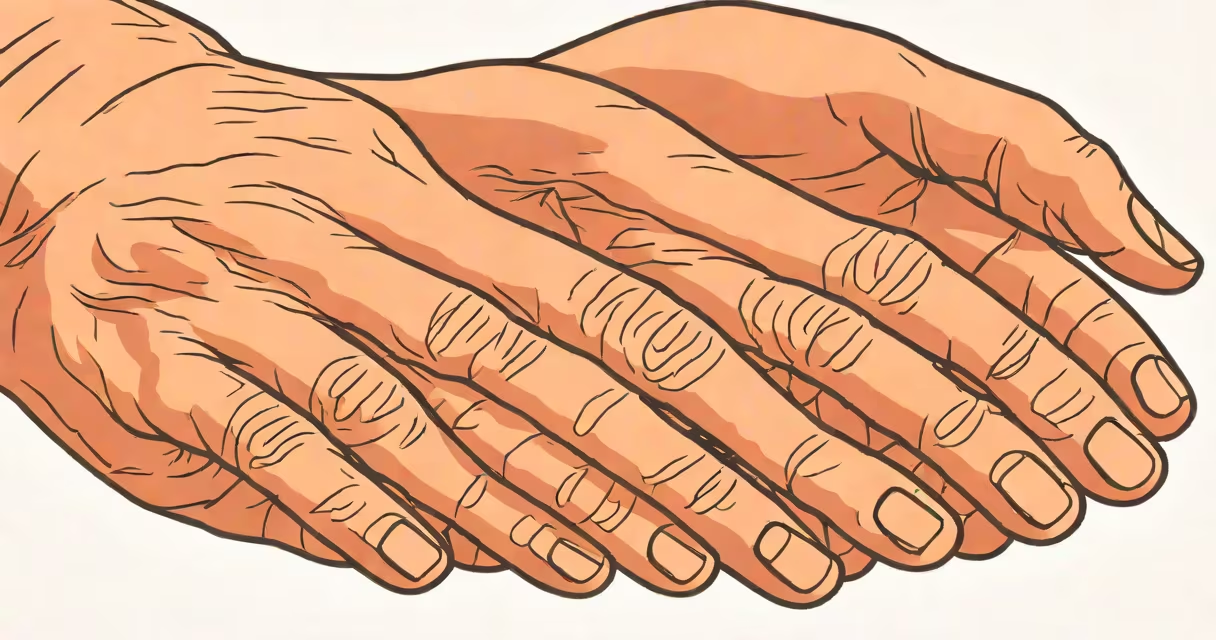
Itchy hands are a common complaint often linked to skin conditions like eczema or contact dermatitis, but they can also indicate nerve disorders, autoimmune diseases, or systemic health issues such as liver or kidney dysfunction. Persistent itching without visible rash may point to internal causes requiring medical evaluation.
Itching arises when sensory nerves in the skin detect irritation or abnormal signals. The brain interprets this as a sensation to scratch. In the hands, which have high nerve density and frequent exposure to irritants, this response is especially sensitive. When itching persists beyond a few days or worsens, it may reflect deeper physiological changes rather than surface-level irritation.
Common triggers include dry skin, allergens like latex or cleaning products, and environmental factors such as cold weather. However, when itching occurs without a clear external cause, it may stem from internal imbalances. For example, chronic kidney disease can lead to uremic pruritus-a generalized itch caused by waste buildup in the blood. Similarly, liver disease disrupts bile salt metabolism, leading to intense itching, particularly on the palms and soles.
Most cases of itchy hands stem from localized skin issues. Contact dermatitis, triggered by exposure to soaps, detergents, or metals like nickel, causes inflammation and intense itching. Eczema (atopic dermatitis) affects up to 10% of adults and often begins with dry, cracked skin on the hands, progressing to redness and blistering.
Nerve-related causes are less obvious but increasingly recognized. Peripheral neuropathy-damage to nerves outside the brain and spinal cord-can cause burning, tingling, or itching sensations in the hands. This condition frequently accompanies diabetes, where prolonged high blood sugar damages small nerves. A 2021 study in *Neurology* found that nearly 60% of people with diabetic neuropathy reported abnormal skin sensations, including itch, even without visible rash.
Autoimmune disorders also contribute. Psoriasis, for instance, can manifest as thick, scaly patches on the hands, though some patients report only itching. Lupus and Sjögren's syndrome may cause dry, itchy skin due to reduced moisture production and immune system attacks on sweat glands.
| Category | Specific Cause | Key Features | Prevalence |
|---|---|---|---|
| Skin Conditions | Eczema | Dry, flaky skin; often worsens at night | Affects ~10% of adults |
| Skin Conditions | Contact Dermatitis | Redness, swelling after exposure to irritants | Up to 15% of occupational injuries |
| Neurological | Diabetic Neuropathy | Burning, tingling, or itching without rash | ~50% of long-term diabetics |
| Systemic | Chronic Kidney Disease | Generalized itch, worse at night | ~50% of dialysis patients |
| Systemic | Liver Disease | Itch on palms and soles; no rash | Up to 70% in advanced cholestasis |
Itchy hands without visible skin changes-especially if persistent or worsening-are a red flag. The absence of rash makes diagnosis harder, but it increases the chance of underlying systemic disease. For example, uremic pruritus typically appears months before kidney function tests show significant decline, making early recognition critical.
Another non-obvious sign is itch that spreads beyond the hands. Generalized itching affecting the arms, legs, or torso suggests internal causes. A 2020 review in *The Journal of Investigative Dermatology* noted that patients with unexplained generalized itch were more likely to have undiagnosed liver or renal disease than those with localized skin conditions.
I've seen this firsthand during a clinic rotation: a 58-year-old man presented with severe hand itching for six weeks. No rash. Normal skin exams. Blood work revealed elevated creatinine and urea-signs of kidney failure. After starting dialysis, his symptoms resolved within two weeks. This case illustrates how itch can precede clinical diagnosis by months.
Itchy hands are often confused with tingling or numbness. While both involve altered sensation, itching results from histamine release or nerve misfiring, whereas numbness implies loss of sensation. Tingling may occur alongside itch in peripheral neuropathy, but it's not the same. Confusing them can delay treatment.
Also, itching differs from pain. Pain signals tissue damage; itch is a protective urge to remove irritants. But in some conditions-like shingles or post-herpetic neuralgia-both can coexist. A patient with herpes zoster involving the hand may feel burning pain and intense itch simultaneously, but the mechanisms differ. Recognizing this helps avoid misdiagnosis.
Itchy hands are sometimes mistaken for anxiety-related symptoms. Stress can heighten skin sensitivity and trigger flare-ups in existing conditions. But anxiety doesn't cause new, isolated itch without skin changes. If scratching leads to broken skin or infection, it's likely physical, not psychological.
If hand itching lasts longer than two weeks, worsens despite over-the-counter treatments, or occurs with fatigue, weight loss, or swelling, seek medical evaluation. Doctors may order blood tests to check kidney and liver function, thyroid levels, and vitamin D status. Skin biopsies or patch testing may be used if dermatitis is suspected.
For persistent cases, referral to a dermatologist or neurologist may be needed. Treatment depends on the root cause. Eczema responds to topical corticosteroids and moisturizers. Diabetic neuropathy may require gabapentin or pregabalin. Uremic pruritus improves with phosphate binders and dialysis.
Early diagnosis prevents complications. Chronic scratching can lead to skin thickening (lichenification), infections, or permanent nerve damage. Addressing the cause early reduces long-term impact.
Understanding what itchy hands may indicate helps you act quickly. Don't ignore persistent discomfort-your body may be signaling something deeper than dry skin.