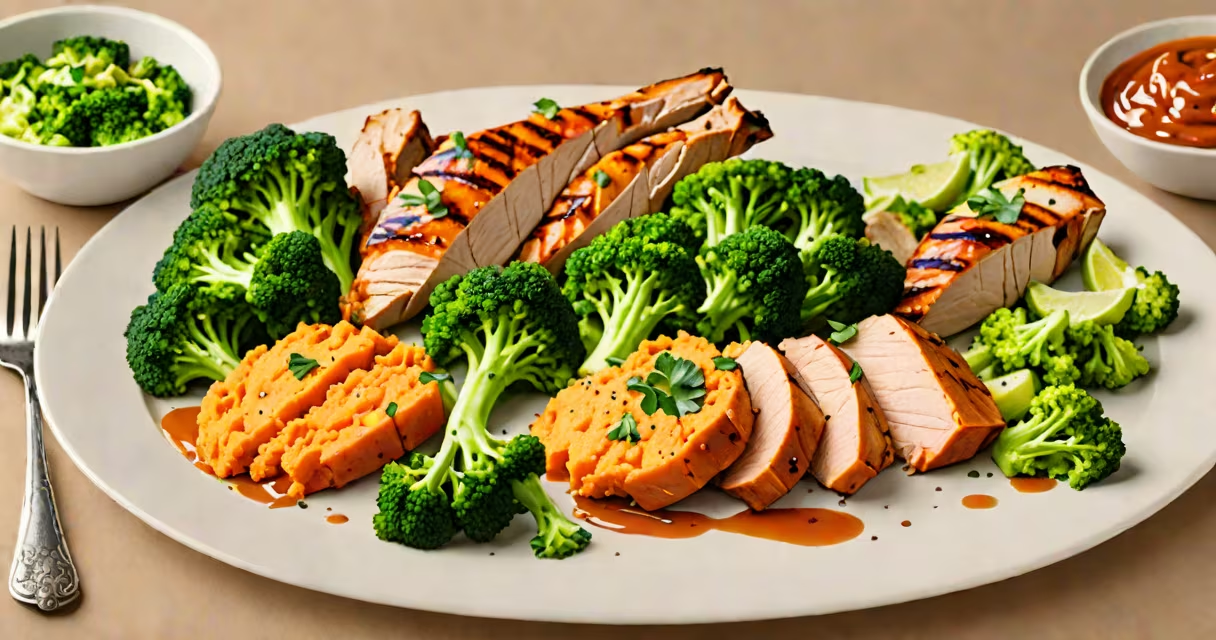
After lung surgery, prioritize soft, easy-to-digest foods rich in protein and vitamins to support tissue repair and reduce strain on the digestive system. Focus on gentle meals that minimize bloating, nausea, and discomfort during early recovery.
Lung surgery, such as lobectomy or pneumonectomy, removes part of the lung and disrupts normal breathing mechanics. This affects energy use, appetite, and digestion. The body requires more nutrients to heal, but the surgical site and reduced lung capacity make eating challenging. A well-planned diet reduces complications and speeds recovery.
According to the American College of Surgeons, patients who consume adequate protein and calories within the first two weeks post-op have lower rates of infection and shorter hospital stays. The National Institutes of Health notes that inflammation from surgery increases metabolic demand-patients may need 10-15% more daily calories than usual.
The primary goal of post-lung surgery nutrition is to maintain strength, prevent muscle loss, and promote wound closure. Protein builds new tissue, vitamin C supports collagen formation, and zinc aids immune function. Without these, healing slows and infection risk rises.
Early after surgery, patients often experience reduced appetite due to pain, fatigue, or medications. Small, frequent meals (every 2-3 hours) help meet caloric needs without overwhelming the stomach. Liquids and semi-solid foods are easier to tolerate than solid meals in the first few days.
A 2021 study in the Journal of Thoracic Oncology found that patients who consumed high-protein shakes (20g protein per serving) twice daily during week one had better grip strength and fewer respiratory complications than those who didn't.
Begin with clear liquids: water, broth, herbal tea, diluted fruit juice. Progress to soft foods like applesauce, yogurt, mashed potatoes, and oatmeal. These require minimal chewing and cause little gastric distress.
As tolerance improves, introduce lean proteins such as scrambled eggs, cottage cheese, canned tuna, or ground turkey. Pair with cooked vegetables (e.g., carrots, zucchini) and soft grains like rice or pasta. Avoid raw, fibrous, or crunchy foods until cleared by your surgeon.
Use this timeline as a guide:
High-fiber, tough, or gassy foods delay digestion and increase abdominal pressure-this can worsen pain or trigger coughing. Avoid raw vegetables, nuts, popcorn, and tough meats until cleared. Carbonated drinks can cause bloating and interfere with breathing.
Many patients mistakenly believe they must "eat light" for weeks. But under-eating leads to weakness and poor healing. The Mayo Clinic recommends consuming 1,500-2,000 kcal/day during recovery, depending on activity level and weight.
One common error is reintroducing spicy or acidic foods too soon. These can irritate the esophagus and trigger reflux, especially if lying down after eating. Limit citrus, tomato sauce, and hot peppers until the digestive tract stabilizes.
Patients often confuse post-lung surgery dietary needs with those after gallbladder removal. While both involve digestive changes, the mechanisms differ. Gallbladder surgery affects fat digestion; lung surgery primarily impacts energy balance and respiratory effort.
Consider a patient recovering from a right upper lobe resection. On day 2, they begin with broth and ginger tea. By day 5, their intake includes:
This plan provides ~1,800 kcal and 80g protein daily. All foods are soft, low in fiber, and easy to swallow. No added salt or spices. Meals are eaten slowly, with 10-minute rests between bites.
By week three, the patient adds a small portion of soft-cooked kale and a slice of whole wheat toast. They report improved energy and reduced fatigue. Their surgeon confirms healing progress via CT scan.
Contact your care team if you experience persistent nausea, vomiting, inability to keep food down, or signs of infection (fever, increased chest pain). Weight loss exceeding 5% in two weeks indicates malnutrition risk.
Registered dietitians specializing in surgical recovery can provide personalized plans. The Academy of Nutrition and Dietetics lists board-certified specialists in oncology and gastrointestinal nutrition. Ask your surgeon for a referral if needed.
Recovery after lung surgery is not just physical-it's nutritional. What to eat after lung surgery directly influences healing speed, complication rates, and long-term outcomes. Follow evidence-based guidance, listen to your body, and adjust as tolerated.