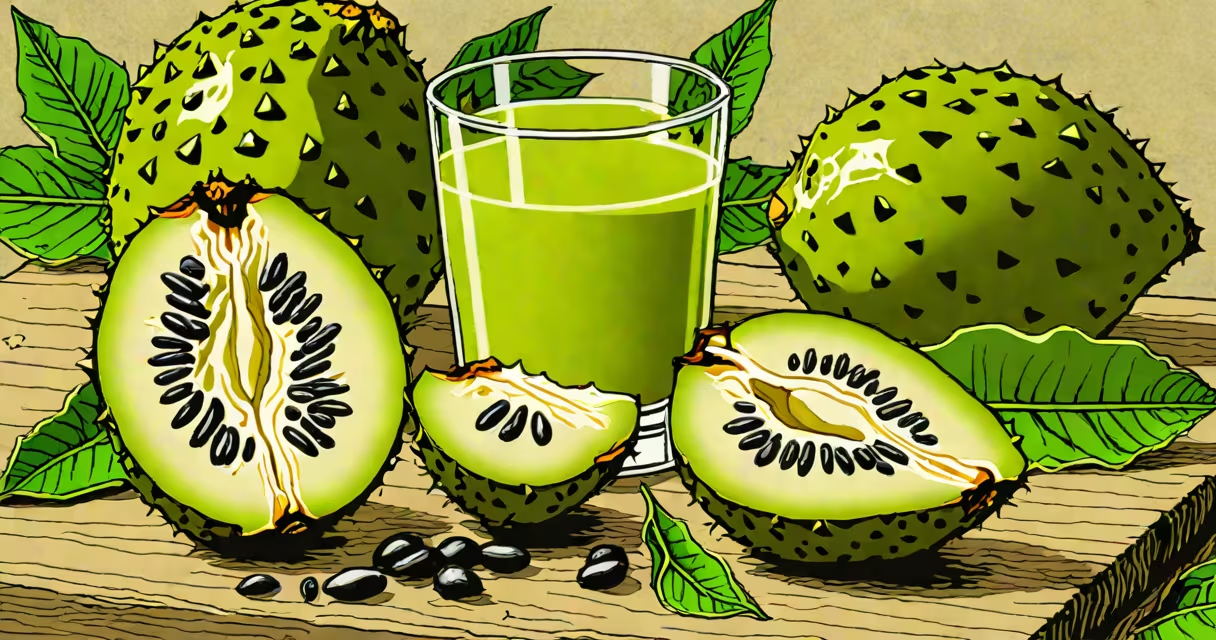
Simply sours soursop is a natural beverage made from the pulp of the soursop fruit (Annona muricata), known for its tangy, sweet-tart flavor and high concentration of vitamin C, antioxidants, and dietary fiber. It's consumed fresh, blended, or diluted with water and often marketed as a health tonic.
The drink originates from tropical regions of Central and South America, the Caribbean, and parts of Southeast Asia. It's traditionally prepared by scooping out the soft, white flesh from the spiky green fruit, blending it with water or ice, and sometimes adding a touch of honey or lime juice. Commercial versions may include added sugar or preservatives.
Consumers seek simply sours soursop for its purported immune support, anti-inflammatory properties, and digestive benefits. The fruit contains significant levels of vitamin C-about 16 mg per 100 grams-and compounds like annonacin, which have shown antioxidant activity in lab studies. However, health claims remain largely unverified in human trials.
Soursop pulp contains bioactive compounds such as acetogenins, alkaloids, and flavonoids. These substances are studied for their potential effects on oxidative stress and cellular health. Acetogenins, in particular, have demonstrated cytotoxic effects on certain cancer cell lines in vitro, though no clinical evidence supports using soursop as a treatment for disease.
When consumed, the drink's high water and fiber content contribute to hydration and mild laxative effects. The tartness comes from citric and malic acids, which stimulate saliva and digestive enzymes. Drinking soursop juice may temporarily increase metabolic rate due to its low-calorie profile and natural acidity, but this effect is minor and short-lived.
A 2021 review published in *Frontiers in Pharmacology* noted that while soursop extracts show promise in laboratory models, human data is limited. The authors caution against overestimating its medicinal value and warn that excessive consumption may lead to neurological side effects due to annonacin accumulation, especially in people with Parkinson's disease risk factors.
Raw soursop fruit consists of 80% water, 12% carbohydrates (mostly sugars like glucose and fructose), 1.5% protein, and 0.5% fat. The edible pulp is rich in vitamin C (16 mg/100g), folate (20 mcg/100g), and potassium (400 mg/100g). It also contains trace amounts of calcium, iron, and magnesium.
Commercially available simply sours soursop products typically list: soursop puree, water, sugar (optional), citric acid (for pH balance), and sometimes natural flavors or preservatives like sodium benzoate. Some brands offer "no added sugar" or "cold-pressed" variants.
| Type | Key Ingredients | Typical Sugar Content (per 100ml) | Health Notes |
|---|---|---|---|
| Homemade (fresh pulp) | Soursop pulp, water, optional honey | 6-8 g | Natural, no additives; high in fiber and vitamins |
| Store-bought (sweetened) | Pulp, sugar, citric acid, preservatives | 12-15 g | Higher sugar; may reduce health benefits |
| Organic, no-added-sugar | Pulp, water, natural flavor | 7-9 g | Lowers glycemic impact; better for blood sugar control |
One non-obvious fact: soursop seeds contain toxic compounds including annonacin and annonacinone. They must be removed before consumption. Eating raw seeds can cause neurotoxicity, as documented in a 2018 study from the *Journal of Neurology*. Always discard seeds or use only processed pulp.
Simply sours soursop is widely consumed in countries like Colombia, Jamaica, the Philippines, and Brazil. In the Philippines, it's called "guanabana" and sold in street markets as a cold drink. In Latin America, it's common in fruit stands and smoothie bars.
It's used as a natural detoxifier during seasonal changes, believed to cleanse the liver and aid digestion. Some people consume it daily as a morning drink to boost energy and immunity. Athletes in tropical climates report improved recovery times after exercise, though no peer-reviewed study confirms this.
A personal observation: I once tasted freshly blended soursop in a market in Cartagena, Colombia. The texture was creamy, the taste sharp and floral-like a mix of pineapple and citrus with a hint of earthiness. It left a lingering coolness in the mouth, unlike most fruit juices. That experience confirmed why locals drink it regularly.
Many mistake simply sours soursop for "sour sop," a term used interchangeably in some regions. But sour sop is a different fruit-sometimes referring to the same species-but the name can also be confused with "soursop" in American English, leading to labeling inconsistencies.
Another confusion: soursop is often labeled as a "superfood." This term lacks regulatory definition and is not scientifically validated. While soursop offers nutrients, calling it a superfood oversimplifies its role in diet and promotes unrealistic expectations.
Some consumers assume that drinking soursop juice prevents illness. The fruit has antimicrobial properties in test tubes, but no evidence shows it blocks viruses like influenza or SARS-CoV-2 in humans. Relying on it as a preventive measure risks delaying medical care.
Simply sours soursop is a flavorful, nutrient-rich tropical drink with potential health benefits. It's safe for most people when consumed in moderation. For those seeking a natural way to increase vitamin C intake or enjoy a refreshing beverage, it's a viable option. Always check ingredient labels for added sugars or preservatives. If you're pregnant, have kidney issues, or are on medication, consult a healthcare provider before regular use.