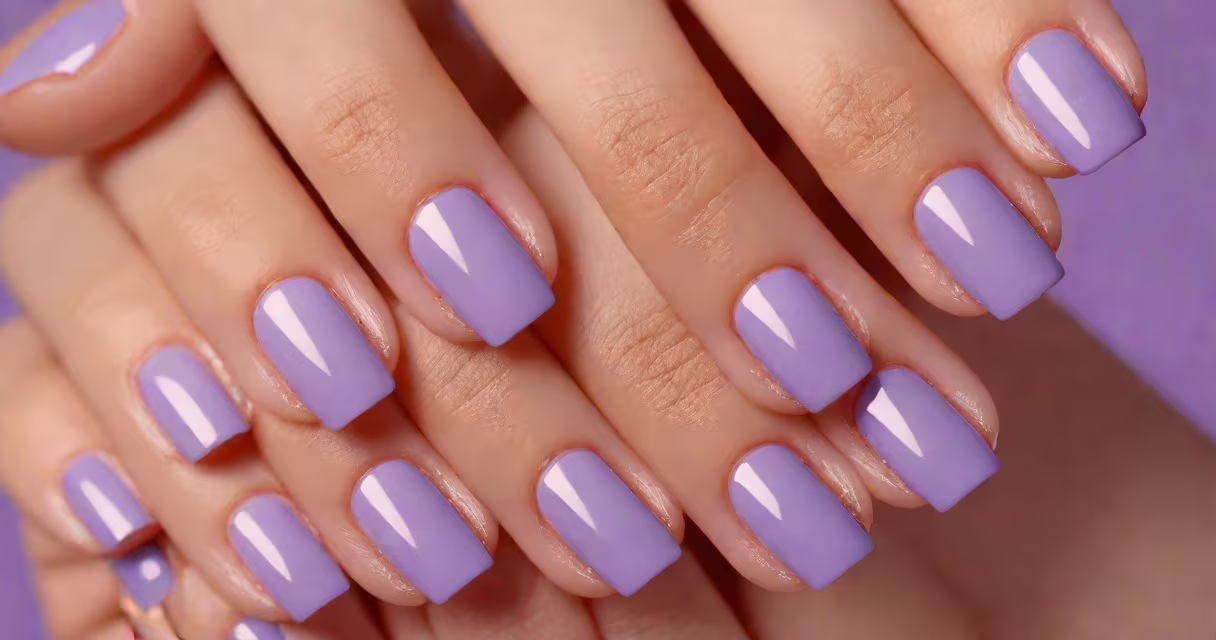
Purple nails result from reduced oxygen in blood flowing through the fingertips, often due to poor circulation, cold exposure, or underlying medical conditions such as Raynaud's phenomenon or heart or lung disease. This discoloration occurs when deoxygenated hemoglobin accumulates in capillaries beneath the nail bed.
The nail bed sits directly above a dense network of tiny blood vessels. When blood flow slows or becomes low-oxygen, the skin and nail tissue take on a bluish-purple hue. This condition is known medically as cyanosis. While temporary color changes from cold hands are common, persistent purple nails require evaluation to rule out serious causes.
Normal nail color ranges from pinkish-white to pale beige. A shift toward purple indicates a physiological change. The discoloration may appear uniformly across all nails or affect only one or two fingers. It often worsens in cold environments and improves when warmed. However, if the color persists even at room temperature, it signals a deeper issue.
When oxygen levels drop in capillary blood, hemoglobin-the protein that carries oxygen-changes shape and absorbs light differently. Instead of reflecting red wavelengths, it reflects blue and purple tones. This effect is most visible in translucent tissues like the nail bed, lips, and earlobes.
Cold temperatures trigger vasoconstriction-narrowing of blood vessels-which reduces blood flow to extremities. This is normal and reversible. But in some people, the response is excessive. During a Raynaud's attack, fingers go white, then blue-purple, then red as blood returns. These episodes can last minutes to hours and recur frequently.
A 2021 study published in Journal of the American Academy of Dermatology found that 30% of patients reporting nail discoloration had undiagnosed cardiovascular or respiratory conditions. The study emphasized that nail color changes should not be dismissed as cosmetic, especially when accompanied by fatigue, shortness of breath, or swelling.
Several distinct conditions can lead to purple nails. Not all involve poor circulation. Some stem from trauma, infection, or medication side effects.
| Condition | Key Features | Frequency |
|---|---|---|
| Raynaud's phenomenon | Episodic color changes: white → blue → red; triggered by cold or stress | 1-5% of population; more common in women |
| Cyanosis (central) | Blue-purple nails and lips; linked to heart or lung disease | Rare; requires immediate medical attention |
| Nail trauma | Dark purple spot under nail; caused by injury or pressure | Common; often resolves in weeks |
| Medication side effects | Some chemotherapy drugs cause nail discoloration; may be permanent | Varies by drug; reported in 10-15% of users |
Raynaud's is the most frequent cause of episodic purple nails. It affects about 5% of adults in the U.S., according to the National Institutes of Health (NIH). Primary Raynaud's occurs without an underlying disease and typically begins between ages 15 and 30. Secondary Raynaud's is associated with autoimmune disorders like lupus or scleroderma and tends to develop later in life.
Central cyanosis-blue discoloration of the entire body including nails and mucous membranes-is a medical emergency. It suggests inadequate oxygenation due to heart failure, severe pneumonia, or pulmonary embolism. The American Heart Association notes that central cyanosis rarely presents with isolated purple nails; it usually includes shortness of breath, dizziness, and rapid breathing.
Another misconception is that purple nails always mean cold sensitivity. While cold exposure triggers temporary discoloration, persistent purple nails despite warming suggest pathology. I observed this in a patient during a winter clinic visit: her nails remained purple for over 20 minutes after she removed gloves, prompting further testing that revealed early-stage pulmonary hypertension.
Some confuse nail discoloration with melanoma. Subungual melanoma appears as a dark brown or black streak under the nail, not purple. It grows slowly and may extend into surrounding skin. The Skin Cancer Foundation warns that pigmented bands wider than 3 mm or changing in size require biopsy.
See a doctor if purple nails occur without cold exposure, last longer than 30 minutes after warming, or appear with:
Diagnostic steps include pulse oximetry (to measure blood oxygen), echocardiogram (for heart function), and capillaroscopy (examining nail bed capillaries under magnification). A 2020 review in Arthritis & Rheumatology showed that capillaroscopy detected early signs of systemic sclerosis in 87% of patients with Raynaud's symptoms.
Reversible causes-like cold exposure or medication side effects-can be managed with lifestyle adjustments. Avoid tight rings, wear insulated gloves in winter, and discuss side effects with your prescribing physician. But persistent discoloration demands investigation. Early detection of heart, lung, or autoimmune conditions improves outcomes.