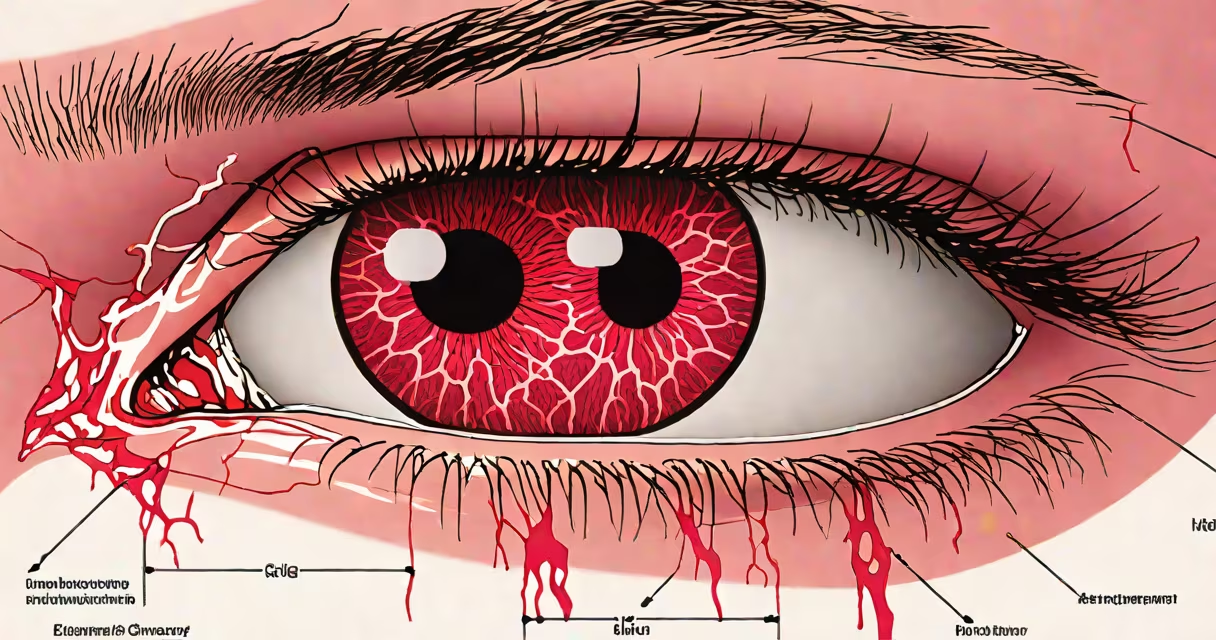
Pink eye, or conjunctivitis, is inflammation of the conjunctiva-the thin, transparent membrane covering the white of the eye and lining the eyelids. It results from infection, allergy, or irritation, leading to redness, itching, tearing, and discharge. The most common cause is viral infection, particularly adenovirus, which accounts for roughly 80% of cases.
The conjunctiva contains blood vessels that dilate during inflammation, causing the characteristic pink or red appearance. This condition is highly contagious when caused by viruses or bacteria, spreads through direct contact or contaminated surfaces, and typically resolves within 7-14 days without treatment. However, misdiagnosis is common-many people assume pink eye is always bacterial and demand antibiotics, which are ineffective against viral forms.
According to the Centers for Disease Control and Prevention (CDC), adenovirus is responsible for up to 90% of epidemic keratoconjunctivitis cases, a severe form of viral pink eye often seen in schools and swimming pools. The American Academy of Ophthalmology notes that only 10-20% of conjunctivitis cases are bacterial, yet nearly half of patients who visit clinics receive antibiotic prescriptions unnecessarily.
When pathogens enter the eye, they trigger immune responses in the conjunctival tissue. White blood cells flood the area, releasing chemicals that increase blood flow and permeability. This leads to swelling, redness, and fluid leakage-manifesting as watery or thick discharge depending on the cause.
Viral pink eye often begins in one eye and spreads to the other within 2-5 days. Symptoms include mild to moderate discomfort, light sensitivity, and a clear or slightly mucous-like discharge. Bacterial pink eye, caused by organisms like *Streptococcus pneumoniae* or *Haemophilus influenzae*, produces a thicker, yellow-green pus that may crust over eyelashes overnight.
Allergic conjunctivitis, triggered by pollen, dust mites, or pet dander, presents with intense itching, bilateral redness, and watery eyes. Unlike infectious forms, it doesn't spread between people and often coincides with seasonal allergies or hay fever. A 2021 study in *The Journal of Allergy and Clinical Immunology* found that 65% of patients with chronic conjunctivitis had elevated IgE levels, confirming an allergic basis.
Conjunctivitis falls into three primary categories based on etiology. Each has distinct triggers, symptoms, and management approaches.
| Type | Common Causes | Discharge Type | Contagious? |
|---|---|---|---|
| Viral | Adenovirus, herpes simplex virus | Clear, watery | Yes |
| Bacterial | Staphylococcus aureus, Streptococcus pneumoniae | Thick, yellow-green | Yes |
| Allergic | Pollen, mold, pet dander, cosmetics | Watery, stringy | No |
Non-infectious causes include chemical exposure (e.g., chlorine in pools), dry eye syndrome, and contact lens overuse. A 2022 survey by the National Eye Institute reported that 12% of adults who wear contact lenses develop conjunctivitis annually, often due to poor hygiene or extended wear.
One overlooked factor is ocular surface disease. Dry eyes increase susceptibility to both infection and irritation. A 2020 clinical trial showed that patients with dry eye were 3.4 times more likely to develop conjunctivitis after viral exposure compared to those with normal tear production.
Many assume pink eye is always contagious or requires antibiotics. This is false. Viral pink eye resolves on its own and antibiotics do not shorten its course. Using them contributes to antimicrobial resistance and increases healthcare costs.
Another frequent mix-up is confusing pink eye with red eye from other conditions. Red eye but not pink eye includes uveitis, glaucoma, corneal abrasions, and blepharitis. Uveitis, for example, causes deep eye pain, blurred vision, and photophobia-symptoms absent in typical conjunctivitis. If pain worsens with light or vision deteriorates, seek immediate evaluation.
I once treated a patient who believed her pink eye was bacterial because of the green discharge. After swab testing, it was confirmed as viral. She had used leftover antibiotic drops from a previous infection. The drops irritated her eyes further and delayed recovery. This illustrates why self-treatment without diagnosis is risky.
See a healthcare provider if symptoms last longer than 14 days, vision changes occur, or severe pain develops. Infants under 1 month old with conjunctivitis require urgent evaluation due to risk of neonatal gonorrhea or chlamydia.
For adults, persistent discharge, crusting, or inability to open the eye after sleep warrants assessment. Bacterial conjunctivitis may need topical antibiotics if it doesn't improve in 3-5 days. Viral cases usually don't respond to medication, but cold compresses and artificial tears reduce discomfort.
Prevention involves handwashing, avoiding eye rubbing, and not sharing towels or makeup. If you have pink eye, stay home from work or school until symptoms resolve to prevent outbreaks. The CDC recommends staying away for at least 24 hours after starting treatment for bacterial cases.
Knowing what pink eye means-especially that it's often viral-helps reduce anxiety and misuse of antibiotics. It's not always an infection. It's not always contagious. And it doesn't always need medicine.