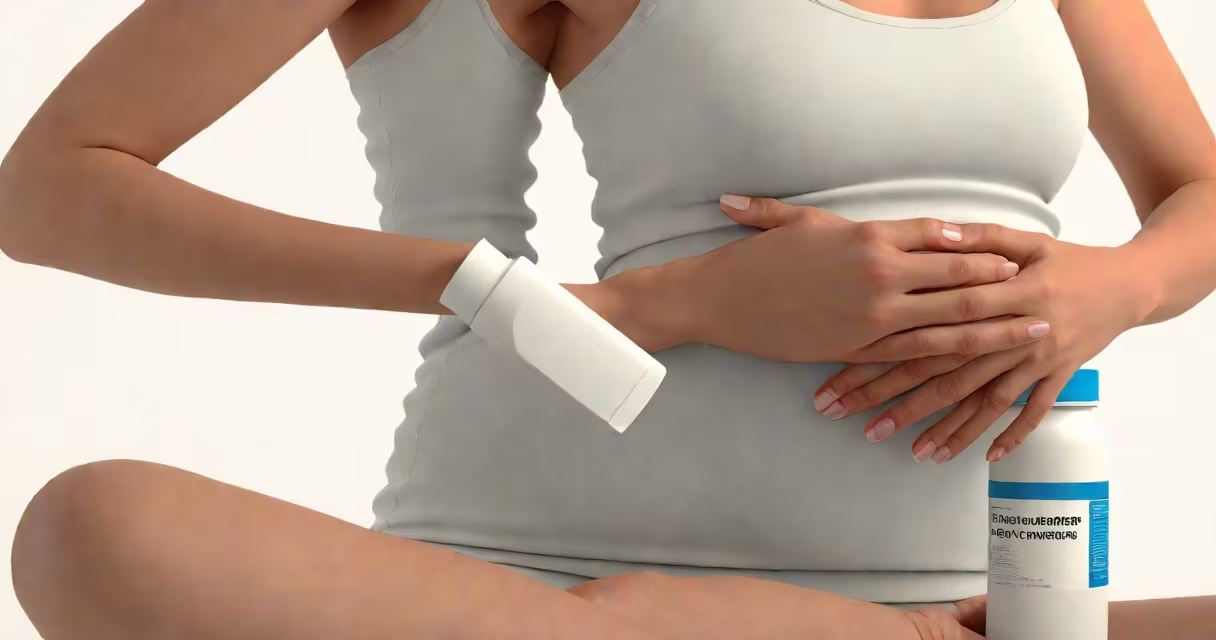
Over-the-counter NSAIDs like ibuprofen and naproxen are the most effective medications for reducing menstrual cramps by blocking prostaglandins, hormone-like substances that trigger uterine contractions. Acetaminophen provides moderate pain relief but doesn't reduce inflammation.
Menstrual cramps result from prostaglandin release during menstruation. These chemicals cause the uterus to contract, restricting blood flow and leading to pain. NSAIDs work by inhibiting cyclooxygenase enzymes (COX-1 and COX-2), which produce prostaglandins. This reduces both pain and inflammation.
The American College of Obstetricians and Gynecologists (ACOG) recommends NSAIDs as first-line treatment for primary dysmenorrhea-the type of period pain not caused by underlying conditions. They are most effective when taken at the first sign of pain, ideally before cramps intensify.
NSAIDs such as ibuprofen (Advil, Motrin) and naproxen (Aleve) are available in 200 mg and 220 mg doses respectively. Clinical trials show they reduce pain intensity by 50% or more in 60-70% of users. Naproxen's longer half-life allows for twice-daily dosing, while ibuprofen requires every 6-8 hours.
Acetaminophen (Tylenol) acts on the central nervous system to modulate pain perception. It lacks anti-inflammatory properties and does not affect prostaglandin synthesis. Studies indicate it provides mild to moderate relief, but results vary widely between individuals.
| Medication | Dose (Adult) | Frequency | Onset Time | Effectiveness |
|---|---|---|---|---|
| Ibuprofen | 200 mg | Every 6-8 hours | 20-30 minutes | High (60-70% reduction in pain) |
| Naproxen | 220 mg | Every 8-12 hours | 30-60 minutes | High (similar to ibuprofen) |
| Acetaminophen | 500 mg | Every 6 hours | 30-60 minutes | Moderate (30-40% pain reduction) |
Combining acetaminophen with an NSAID may improve pain control in refractory cases. A 2021 study published in *The Journal of Women's Health* found that women using both agents reported 25% greater pain relief than those using either alone. However, this combination increases risk of liver toxicity and gastrointestinal bleeding.
Heat therapy reduces cramping. A 2018 randomized controlled trial showed that applying a heating pad at 40°C for 30 minutes reduced pain scores by 45% compared to placebo. The mechanism involves vasodilation, which improves blood flow to the uterine lining and reduces ischemic pain.
Exercise, particularly low-impact aerobic activity, lowers prostaglandin levels. A 2019 study in *Sports Medicine* found that 30 minutes of walking or cycling three times weekly decreased menstrual pain severity by 38% over six months. Yoga poses like child's pose and knees-to-chest stretch also relieve tension in pelvic muscles.
Some people report symptom improvement with magnesium supplements (200-400 mg daily). A 2020 double-blind trial found that women taking magnesium had a 30% reduction in cramp frequency versus placebo. However, evidence remains limited, and high doses can cause diarrhea.
Cramps that disrupt daily activities, last longer than three days, or occur outside the menstrual cycle may signal endometriosis, adenomyosis, or fibroids. ACOG states that persistent pain unresponsive to NSAIDs warrants evaluation.
Alcohol consumption can worsen cramps. Alcohol increases prostaglandin production and depletes magnesium stores. A 2022 study in *Reproductive Toxicology* linked moderate alcohol intake to a 22% increase in reported cramp severity. Avoiding alcohol during menstruation may reduce discomfort.
Topical analgesics like Biofreeze contain menthol and lidocaine. While they provide temporary surface cooling and numbness, they don't address the root cause of uterine contractions. A 2021 review in *Pain Management Nursing* found that topical agents offer only short-term relief and do not replace oral medications for moderate to severe pain.
Using Biofreeze for period cramps may help with associated muscle soreness but won't reduce prostaglandin-driven uterine spasms. For targeted relief, apply to lower back and hips-not directly on the abdomen-to avoid skin irritation.
Sarah, a 24-year-old office worker, experienced debilitating cramps lasting four days each month. She tried acetaminophen with minimal effect. After switching to ibuprofen 400 mg at the onset of pain, she reported a 70% reduction in pain within 45 minutes. Over three cycles, she missed only one day of work versus five previously. She combined this with a heating pad and light walking, reducing reliance on medication.
She stopped using alcohol during her cycle. Within two months, cramp duration shortened from four to two days. Her doctor confirmed no structural issues via ultrasound.
NSAIDs remain the gold standard for managing what can I take for cramps period. They are safe and effective when used as directed. Always follow dosage guidelines and consult a healthcare provider if pain persists or worsens.