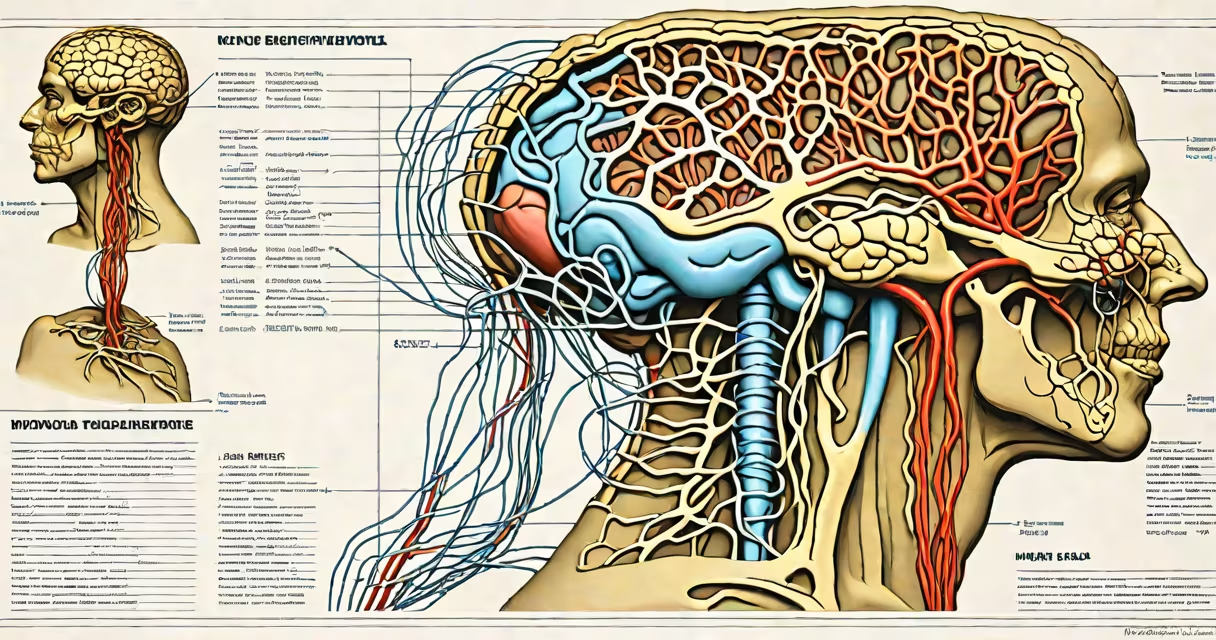
The nerve that makes you pass out is the vagus nerve, a cranial nerve that regulates involuntary bodily functions. When overstimulated, it can trigger a sudden drop in heart rate and blood pressure, leading to fainting-a condition known as vasovagal syncope.
The vagus nerve runs from the brainstem through the neck, chest, and abdomen. It controls heart rate, digestion, and blood vessel dilation. When it detects certain triggers-like pain, fear, or prolonged standing-it can initiate a reflex that slows the heart and widens blood vessels. This reduces blood flow to the brain, causing loss of consciousness within seconds.
This response evolved as a protective mechanism during ancient times, possibly helping individuals survive injury by reducing movement and blood loss. Today, it manifests in everyday situations such as seeing blood, experiencing intense emotional stress, or standing still for long periods.
Fainting due to vagus nerve activation follows a predictable sequence. First, the body experiences a stimulus-such as the sight of a needle, extreme anxiety, or dehydration. The brain interprets this as a threat, even if it's not physically dangerous. In response, the vagus nerve sends signals to slow the heart and dilate blood vessels.
As blood vessels expand, blood pools in the legs and lower body. The heart cannot pump effectively against this reduced return of blood. Brain perfusion drops sharply. Within 5 to 10 seconds, consciousness fades. Recovery typically occurs within 15 to 30 seconds after lying down, restoring blood flow to the brain.
A 2021 study published in *Neurology* found that 20% of people aged 15-45 report at least one episode of fainting, with vasovagal syncope accounting for over 70% of cases. The condition is more common in women and often begins in adolescence.
Triggers vary widely but fall into three main categories: physical, emotional, and situational. Physical triggers include prolonged standing, overheated environments, or dehydration. Emotional triggers involve fear, anxiety, or distress-especially in medical settings. Situational episodes occur during urination, defecation, or swallowing.
| Trigger Type | Examples | Prevalence |
|---|---|---|
| Physical | Standing too long, heat exposure, dehydration | 40% |
| Emotional | Seeing blood, fear of needles, panic attacks | 35% |
| Situational | Urinating, defecating, swallowing | 25% |
Not all fainting episodes are caused by the vagus nerve. Some involve cardiac arrhythmias or structural heart issues. However, vasovagal syncope is the most frequent cause of unexplained fainting in otherwise healthy individuals.
Many mistake fainting from vagus nerve stimulation for seizures or heart attacks. Unlike epileptic seizures, which involve abnormal electrical activity in the brain and may include jerking movements, vasovagal fainting results in a gradual loss of awareness followed by limpness and pale skin. Recovery is quick and complete.
Heart attack symptoms typically include chest pain, shortness of breath, and sweating. These do not occur in vasovagal episodes unless the person is already at risk for cardiovascular disease. A 2019 review in *JAMA Internal Medicine* noted that misdiagnosis rates for fainting were as high as 30% in emergency departments due to overlapping symptoms.
Another misconception is that fainting is a sign of weakness or poor health. In reality, it's a normal physiological response. The body isn't failing-it's trying to protect itself.
I once witnessed a first-year medical student faint during a cadaver lab. She had never seen a human body before. As she stood near the dissecting table, her face turned pale, her legs buckled, and she collapsed. Her heart rate dropped from 88 to 52 beats per minute in under 10 seconds.
She regained consciousness within 20 seconds after being laid flat. No treatment was needed. The episode was entirely due to vagus nerve overactivation triggered by visual and emotional stress. She later told me she'd never felt so embarrassed-but also relieved it wasn't something serious.
This incident reflects a well-documented pattern: young adults, especially those in healthcare training, are vulnerable to vasovagal responses during their first exposure to clinical settings.
While the vagus nerve is responsible for most fainting episodes, it's not the only pathway. Some people experience neurocardiogenic syncope, where the same nerve system reacts abnormally. Others have orthostatic hypotension-low blood pressure upon standing due to poor autonomic regulation.
Crucially, the vagus nerve doesn't "cause" fainting independently. It acts as a switch in a larger feedback loop involving the brain, heart, and blood vessels. The response is automatic and unconscious. You don't choose to faint-you simply lose control of circulation.
One non-obvious fact: the vagus nerve also influences gut function. People who faint frequently may also report digestive changes, such as nausea or bloating, because the same nerve controls both systems. This overlap explains why fainting often comes with a feeling of stomach upset before loss of consciousness.
Fainting once in a lifetime, especially during a stressful event, is usually harmless. But if fainting recurs, happens without warning, or occurs during physical exertion, it may signal a deeper issue. The American Heart Association recommends evaluation if fainting happens more than once, especially in children or people with heart conditions.
Understanding the nerve that makes you pass out isn't about fear-it's about recognizing a natural, manageable response. The vagus nerve doesn't malfunction; it responds. Knowing how it works helps prevent unnecessary worry and guides appropriate action when it does.