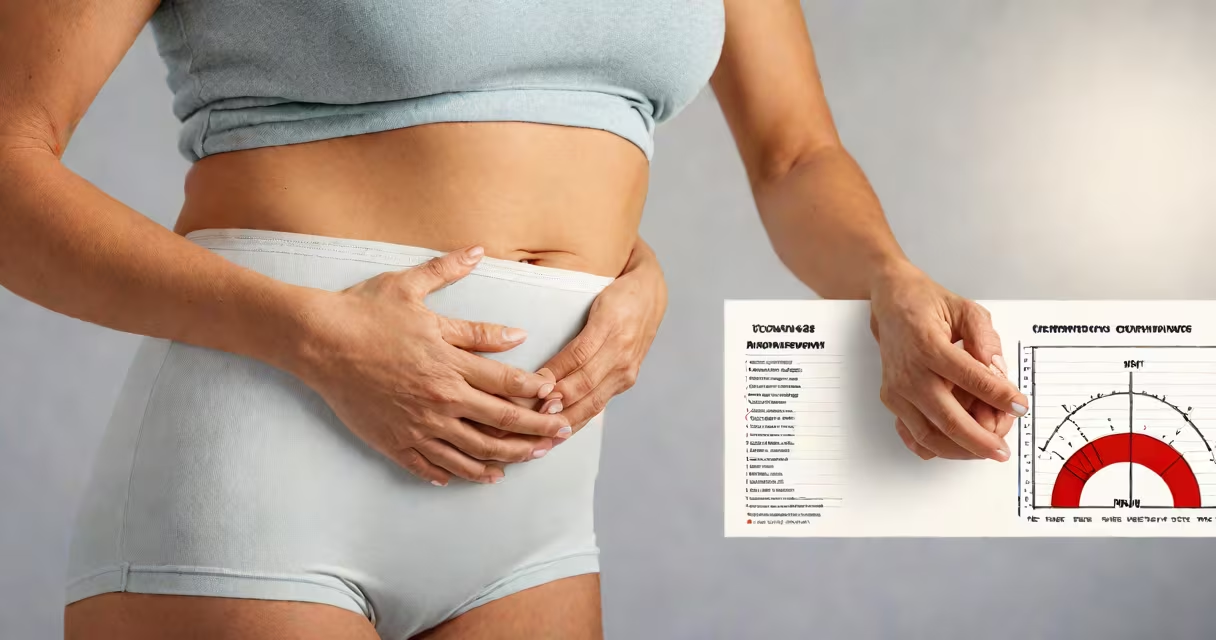
Uterus cramps result from involuntary contractions of the uterine muscle triggered by prostaglandins, hormones released during menstruation. These contractions can restrict blood flow, causing pain. While common during periods, persistent or severe cramping may indicate underlying conditions like endometriosis or fibroids.
Prostaglandins are produced in the uterine lining (endometrium) each month as it sheds. High levels cause stronger contractions, which can press on nearby nerves and blood vessels. This leads to the sharp, throbbing pain often felt in the lower abdomen and back. The intensity varies widely between individuals and across cycles.
Not all uterus cramps are menstrual. Some arise from non-menstrual processes such as ovulation, pregnancy complications, or infections. Distinguishing the cause requires attention to timing, duration, and accompanying symptoms. Pain that occurs outside the menstrual window or worsens over time demands evaluation.
The uterus is a muscular organ designed to contract during labor and menstruation. During menstruation, the endometrial lining breaks down and is shed through the cervix. As this happens, cells release prostaglandins-lipid compounds that stimulate uterine contractions.
High prostaglandin levels correlate with increased pain severity. A 2021 study published in Reproductive Sciences found women with dysmenorrhea (painful periods) had higher prostaglandin E2 levels in their menstrual fluid compared to those without pain. Prostaglandins also trigger inflammation and sensitize nerve endings, amplifying perceived pain.
When contractions are strong enough, they compress small blood vessels in the uterus. Reduced oxygen supply to uterine tissue causes ischemia, a condition similar to a heart attack in the muscle. This ischemic pain is often described as cramping, dull, or aching, and may radiate to the lower back or thighs.
While menstrual cramps are the most frequent cause, several non-cyclic factors can trigger uterus cramps:
A 2022 review in Obstetrics & Gynecology reported that 10% of reproductive-aged women have endometriosis, yet it takes an average of 7.5 years to diagnose. Delayed diagnosis often stems from dismissing cramps as "normal," despite their impact on quality of life.
Cramping patterns differ based on cause. Understanding the timing and context helps identify the root issue.
| Type | Timing | Duration | Common Triggers |
|---|---|---|---|
| Menstrual cramps | Starts 1-2 days before period, peaks on day 1 | 1-3 days | Prostaglandin surge, hormonal shifts |
| Ovulation cramps | Mid-cycle (day 10-16 of 28-day cycle) | 1-2 hours to 1 day | Ovarian follicle rupture |
| Pregnancy-related cramps | First trimester | Intermittent, mild to moderate | Implantation, uterine expansion |
| Chronic pelvic pain | Continuous or recurrent, unrelated to cycle | Weeks to months | Endometriosis, fibroids, PID |
Many people mistake uterus cramps for muscle cramps. Although both involve involuntary contractions, the mechanisms differ. Muscle cramps stem from electrolyte imbalances, dehydration, or nerve misfiring. Uterus cramps originate in hormonal signaling and tissue response. The Journal of Women's Health notes that while muscle cramps typically affect limbs, uterus cramps localize to the pelvis and lower back.
One non-obvious distinction: cramps from endometriosis often start earlier in the cycle and last longer than typical menstrual pain. They may also occur during bowel movements or urination, indicating involvement of adjacent tissues.
Not all cramping requires intervention. Mild, cyclical pain that responds to over-the-counter NSAIDs (like ibuprofen) and heat is usually benign. However, certain red flags demand medical evaluation.
Seek care if cramps:
I experienced this firsthand during my early 30s. After months of worsening cramps that didn't improve with ibuprofen, I saw a gynecologist. An ultrasound revealed a 5 cm fibroid pressing on the uterine wall. Removal restored regular cycles and eliminated pain. Many women delay care due to normalization of pain, but persistent cramping is not inevitable.
Understanding the difference between normal menstrual cramping and pathological pain prevents unnecessary suffering. Prostaglandins drive many cases, but structural or inflammatory conditions can mimic or amplify them. Early recognition improves outcomes and reduces long-term complications.
Recognizing the cause of uterus cramps ensures timely treatment. Whether due to hormonal fluctuations or underlying pathology, accurate diagnosis enables effective relief. Persistent or worsening cramps should not be ignored.