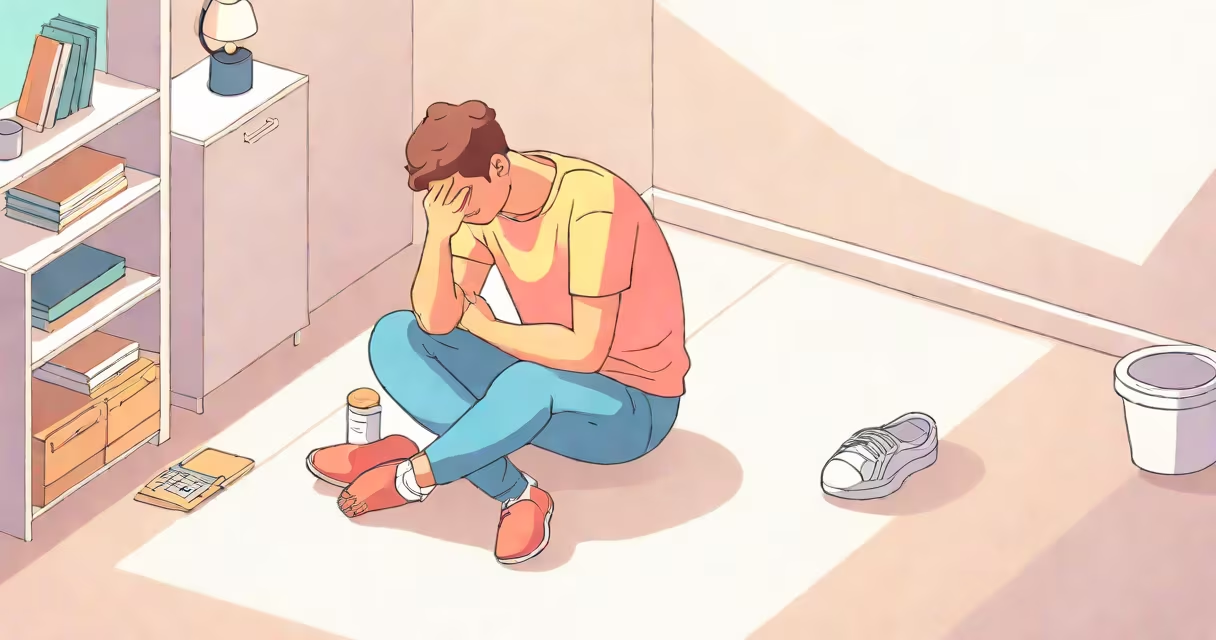
If you feel light-headed, sit or lie down immediately to prevent falling. This sensation often results from reduced blood flow to the brain, commonly triggered by standing too quickly, dehydration, low blood sugar, or underlying heart or neurological conditions.
Light-headedness occurs when the brain doesn't receive enough oxygen-rich blood. Common triggers include rising from a seated or lying position too fast (orthostatic hypotension), prolonged standing, heat exposure, or skipping meals. In most cases, symptoms resolve within minutes with rest and hydration. However, recurring episodes may signal a health issue requiring evaluation.
According to the American Heart Association, orthostatic hypotension affects about 1 in 5 adults over 65 and is a frequent cause of dizziness upon standing. The Mayo Clinic notes that persistent lightheadedness can also stem from anemia, arrhythmias, or inner ear disorders like vertigo. Recognizing the context-timing, duration, and accompanying symptoms-is critical to determining the correct response.
When you stand up, gravity pulls blood toward your legs. Healthy circulation compensates by constricting blood vessels and increasing heart rate. If this system fails-due to dehydration, medications, or autonomic dysfunction-blood pressure drops sharply. The brain detects this drop and triggers lightheadedness as a warning sign.
For example, a 68-year-old man taking blood pressure medication reported feeling faint after standing from his recliner. His systolic pressure dropped from 130 mmHg to 90 mmHg within 30 seconds. He sat down immediately and recovered in under two minutes. This is a classic case of orthostatic hypotension, which affects up to 30% of older adults with hypertension.
Other mechanisms include sudden drops in blood sugar (hypoglycemia), especially in people with diabetes. A blood glucose level below 70 mg/dL can trigger sweating, trembling, confusion, and light-headedness. Dehydration reduces plasma volume, impairing cardiac output and cerebral perfusion. Even mild dehydration-losing just 2% of body weight in fluid-can reduce exercise tolerance and increase dizziness risk.
When you feel light-headed, follow these steps:
A 42-year-old woman who fainted during a hot yoga class recovered after lying down and sipping coconut water. Her episode was likely due to heat-induced vasodilation and dehydration. She avoided further episodes by drinking fluids before and after exercise.
Do not attempt to walk if you're unsteady. Falls during lightheadedness cause 30% of emergency room visits related to dizziness among adults over 60, according to the CDC. Prioritize safety over speed.
Many assume lightheadedness is always a sign of low blood pressure. While it's a frequent cause, it can also result from anxiety, migraines, or vestibular disorders. For instance, a person with panic disorder may report chest tightness, rapid breathing, and dizziness-symptoms mimicking cardiac issues but rooted in hyperventilation.
Another misconception is that standing still after feeling faint prevents recurrence. In reality, remaining upright increases the risk of syncope (fainting). The correct action is to lower the body horizontally to restore cerebral perfusion.
Some confuse lightheadedness with vertigo. Vertigo involves a spinning sensation and is typically caused by inner ear problems like benign paroxysmal positional vertigo (BPPV). Lightheadedness is a sense of "faintness" or "going to black out," not movement. Distinguishing between them guides treatment.
| Condition | Key Symptoms | Typical Trigger | Response |
|---|---|---|---|
| Orthostatic hypotension | Lightheadedness on standing, blurred vision | Rising too fast, medications | Sit down, improve legs, wait |
| Hypoglycemia | Sweating, shaking, confusion | Skipping meals, insulin overdose | Consume 15g carbs (e.g., glucose tablet) |
| Anxiety attack | Chest tightness, rapid breathing, dizziness | Stress, fear, overbreathing | Slow breathing, grounding techniques |
Seek immediate care if light-headedness is accompanied by chest pain, severe headache, slurred speech, weakness on one side of the body, or loss of consciousness. These signs may indicate stroke, heart attack, or transient ischemic attack.
I've seen a patient who experienced recurrent lightheadedness after standing. He was diagnosed with neurogenic orthostatic hypotension after a tilt-table test confirmed abnormal blood pressure regulation. His symptoms improved with increased salt intake and compression stockings. This case highlights that not all dizziness stems from simple causes.
Recurrent episodes-even mild ones-warrant evaluation. Persistent lightheadedness can lead to falls, injuries, and reduced quality of life. The National Institute on Aging reports that nearly half of adults over 65 fall each year, and dizziness is a leading factor.
Feeling light-headed what to do? Act fast. Sit down. Rehydrate. Monitor symptoms. Know when to stop and seek help. Most episodes resolve with simple actions-but don't ignore recurring or severe cases.