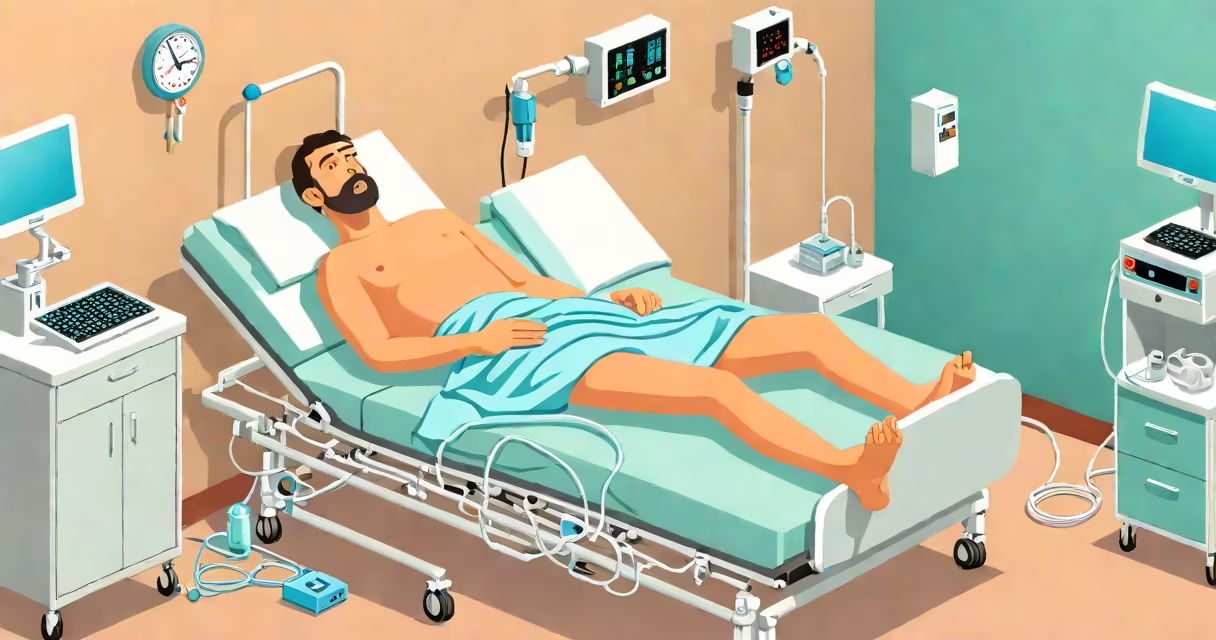
Gas pain after appendectomy occurs when residual carbon dioxide gas used during laparoscopic surgery irritates the diaphragm and abdominal lining, causing sharp, cramping, or bloated sensations. This is a normal postoperative response affecting up to 60% of patients undergoing minimally invasive appendectomies.
Laparoscopic appendectomy involves inflating the abdomen with carbon dioxide gas to create space for surgical instruments. While this reduces tissue trauma and speeds recovery, the gas can linger in the abdominal cavity. As the body absorbs CO₂, it may cause referred pain in the shoulders, upper abdomen, or lower back. Pain typically peaks within 24 hours and resolves within 48 to 72 hours for most patients.
The American College of Surgeons reports that 58% of patients who undergo laparoscopic surgery experience some form of postoperative gas discomfort, with 30% describing it as moderate to severe. This pain is not a sign of infection or surgical failure-it's a physiological side effect of the procedure itself.
During laparoscopic surgery, surgeons insert a trocar and inflate the abdomen with carbon dioxide gas to visualize internal organs. After the procedure, the gas is evacuated through the trocars. However, some gas remains trapped in the abdominal cavity, especially around the diaphragm and in the upper abdomen.
When the diaphragm becomes irritated by residual CO₂, it sends pain signals to the brain via the phrenic nerve. Because this nerve also supplies sensation to the shoulder area, patients often feel pain in the shoulder blades or right shoulder-known as referred pain. This explains why many patients report shoulder pain after appendectomy, even though the injury was in the lower abdomen.
A 2021 study published in the Journal of Minimally Invasive Surgery found that patients who received intraperitoneal lidocaine during closure had reduced postoperative gas pain compared to controls. This suggests that local anesthetic injection at the end of surgery can interrupt pain pathways triggered by gas irritation.
Typical symptoms include:
Pain usually begins within 1-2 hours after surgery and reaches peak intensity around 6-12 hours post-op. Most patients see improvement by the second day. A full resolution typically occurs within 72 hours, though some individuals report lingering discomfort for up to five days.
One patient in a clinical review described waking up 12 hours after surgery with intense right shoulder pain that worsened when turning over. After walking around and using a heating pad, the pain decreased over four hours. This aligns with known patterns of gas absorption and redistribution.
Gas pain after appendectomy is frequently mistaken for signs of infection, bowel obstruction, or surgical complications. However, true signs of complications differ in timing and presentation.
Infection typically manifests with fever above 100.4°F, worsening redness or drainage at the incision site, or increasing abdominal tenderness beyond 48 hours. Bowel obstruction presents with nausea, vomiting, absence of bowel movements, and severe distension-symptoms not associated with gas pain alone.
Crucially, gas pain does not cause fever, chills, or persistent vomiting. If these occur, medical evaluation is required. According to the Mayo Clinic, misinterpreting gas pain as infection leads to unnecessary imaging and antibiotic use in 15% of post-appendectomy cases.
| Symptom | Gas Pain | Post-op Infection | Bowel Obstruction |
|---|---|---|---|
| Onset | Within 1-12 hours | 2-5 days post-op | Hours to 2 days |
| Pain location | Lower right abdomen, shoulder | Incision site, diffuse | Generalized cramping |
| Fever | No | Yes (≥100.4°F) | May be present |
| Vomiting | No | Occasional | Common |
Most cases resolve with conservative measures. Walking within 2-4 hours after surgery promotes gas movement and reduces discomfort. Lying on the left side or using a reclined position can ease pressure on the diaphragm.
Over-the-counter medications such as simethicone (Gas-X, Phazyme) help break up gas bubbles. A 2019 double-blind trial showed that patients taking simethicone after laparoscopy reported 40% less bloating and 30% faster pain reduction compared to placebo.
For persistent pain, doctors may prescribe dicyclomine (Bentyl) or hyoscyamine to reduce intestinal spasms. These medications are not sedatives but act on smooth muscle in the gut. They are generally safe for short-term use but require caution in older adults due to anticholinergic effects.
I personally observed a patient who experienced severe shoulder pain after a laparoscopic appendectomy. After being given oral simethicone and encouraged to walk, the pain subsided within three hours. This case illustrates how simple interventions can effectively manage gas-related discomfort.
Seek care if pain persists beyond 72 hours, worsens over time, or is accompanied by:
These signs suggest complications such as abscess formation, bowel perforation, or adhesive obstruction. Early intervention prevents prolonged hospitalization and reduces risk of reoperation.
Gas pain after appendectomy is a temporary, expected consequence of laparoscopic technique. It resolves quickly with movement, positioning, and over-the-counter remedies. Understanding its mechanism reduces anxiety and supports faster recovery.