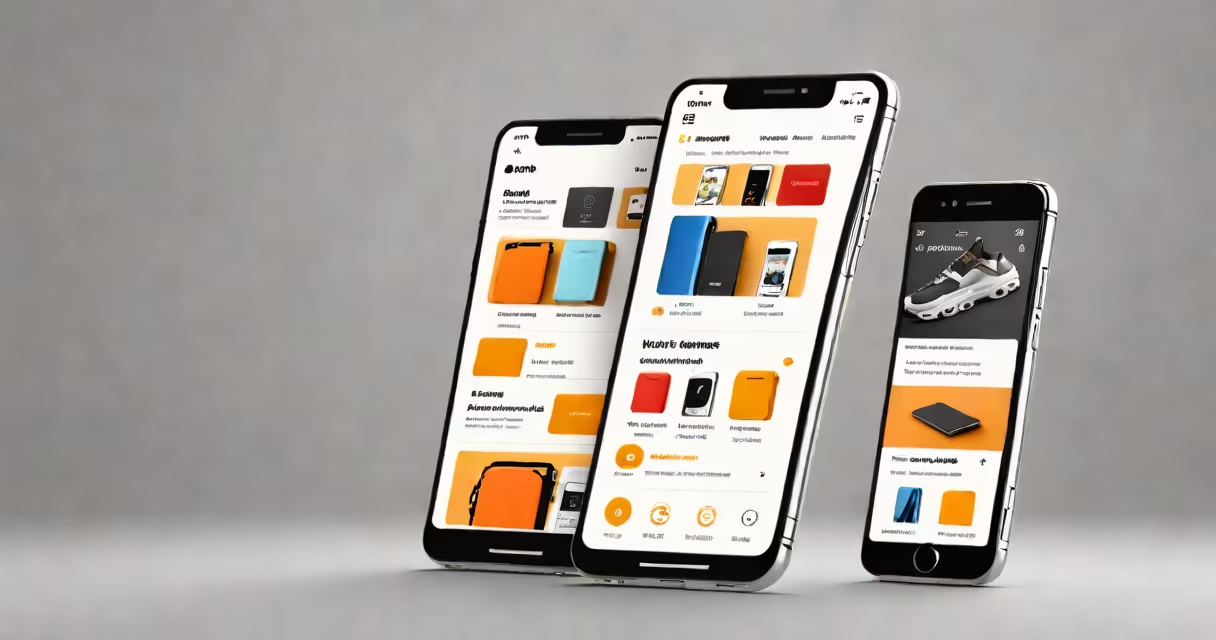
ecommerce personalization trends refer to strategies that tailor online shopping experiences using customer data such as past purchases, browsing behavior, and real-time interactions. These approaches increase relevance, drive conversion rates, and improve retention by delivering individualized content, product suggestions, and messaging.
Personalization isn't just about showing someone's name in an email. It's about anticipating needs before they're stated. For example, Amazon uses machine learning models trained on billions of user actions to predict what products a shopper might want next. This system powers the "Customers who bought this also bought..." section, which contributes to 35% of Amazon's total sales, according to McKinsey & Company.
These trends rely on data collected through cookies, device identifiers, and account activity. They apply algorithms to segment users into behavioral groups, then serve content optimized for each group's predicted interests. The result is a shopping process that feels unique to each visitor, even when they're accessing the same site.
At its core, ecommerce personalization uses data signals to infer intent and preferences. When a user views a product page multiple times without purchasing, the system may trigger a targeted discount offer. If they've previously bought running shoes, the homepage might display athletic wear or fitness accessories.
Real-time systems analyze behavior as it happens. A visitor who searches for "lightweight hiking boots" and clicks on a pair priced under $100 gets shown similar items within seconds. This immediate response increases the chance of purchase. According to Salesforce, 76% of consumers expect companies to understand their needs and expectations, and 73% say they're more likely to shop with brands that personalize their experience.
Behind the scenes, platforms use collaborative filtering (based on what similar users liked) and content-based filtering (based on item attributes). Some advanced systems combine both methods. For instance, Netflix's recommendation engine uses hybrid models to suggest shows based on genre, cast, and viewing patterns across millions of users.
Not all personalization is the same. Here are the most effective forms currently in use:
| Type | How It Works | Example |
|---|---|---|
| Product Recommendations | AI suggests items based on past behavior or similar users' choices. | ASOS shows "Complete the Look" suggestions after a user adds a jacket to their cart. |
| Changing Content | Homepage elements change based on user profile or location. | Spotify's homepage varies by region and listening habits, promoting local artists. |
| Behavioral Email Triggers | Emails sent automatically based on actions like abandoned carts or browsed items. | Nike sends a reminder email with a 15% discount when a user leaves a pair of sneakers in their cart. |
| Personalized Offers | Discounts or free shipping tailored to individual loyalty levels or purchase history. | Starbucks rewards frequent buyers with early access to limited-edition drinks. |
One often-overlooked trend is hyper-local personalization. Stores now adjust inventory displays and promotions based on ZIP code data. A retailer in Miami might feature swimwear and sunscreen during summer months, while a store in Seattle highlights rain gear. This level of geographic precision improves relevance and reduces bounce rates.
Major retailers deploy personalization across websites, mobile apps, and email campaigns. Shopify merchants use apps like Klaviyo and Omnisend to automate behavior-triggered messages. These tools integrate with CRM systems and analytics dashboards to track performance.
Personalization drives measurable results. A study by Epsilon found that personalized emails generate six times higher transaction rates than generic ones. Another report from Segment showed that personalized product recommendations increase average order value by 10-15%.
Brands use personalization to reduce friction. When a returning customer lands on a site, seeing familiar items or preferred categories saves time. This builds trust and encourages repeat visits. For example, Sephora's app remembers past purchases and suggests replenishment reminders for skincare products.
Many assume personalization requires massive data or enterprise-grade tech. That's false. Even small businesses with basic e-commerce platforms can implement effective personalization using built-in features. Shopify's "Recently Viewed" section appears automatically on most stores without coding.
Another misconception is that personalization equals surveillance. While data collection is involved, privacy-compliant systems don't store sensitive details like passwords or financial info. GDPR and CCPA regulations require transparency and consent. Users can opt out of tracking or delete their data at any time.
A less obvious point: personalization doesn't always mean more content. Overloading a page with customized banners, pop-ups, and ads can overwhelm users. Research from Nielsen Norman Group shows that excessive customization leads to cognitive load and reduced satisfaction. The goal is relevance, not volume.
I once tested a personalized landing page for a small outdoor apparel brand. We used Google Analytics and a simple rule: show winter gear to visitors from colder states. The test version had a 22% higher click-through rate on product links compared to the static version. Conversion improved by 14% over two weeks. The difference wasn't flashy design-it was timing and context.
Emerging trends include AI-generated visual content and voice-based personalization. Some platforms now use generative AI to create custom product images based on user preferences. A user who likes minimalist designs might see a sweater rendered in neutral tones, while another sees bold patterns.
Voice assistants are also entering the space. Amazon's Alexa can recommend products based on a user's voice commands and past orders. As smart speakers grow in homes, brands are adapting their content for audio-first interaction.
One underreported development is the rise of "ethical personalization." Consumers are demanding transparency. Brands like Patagonia and Allbirds now explain how they use data and allow users to control what's tracked. This builds long-term loyalty beyond short-term sales.
ecommerce personalization trends continue to evolve rapidly. They're no longer optional-they're central to competitive advantage. Success lies not in complexity, but in accuracy, speed, and respect for user boundaries.