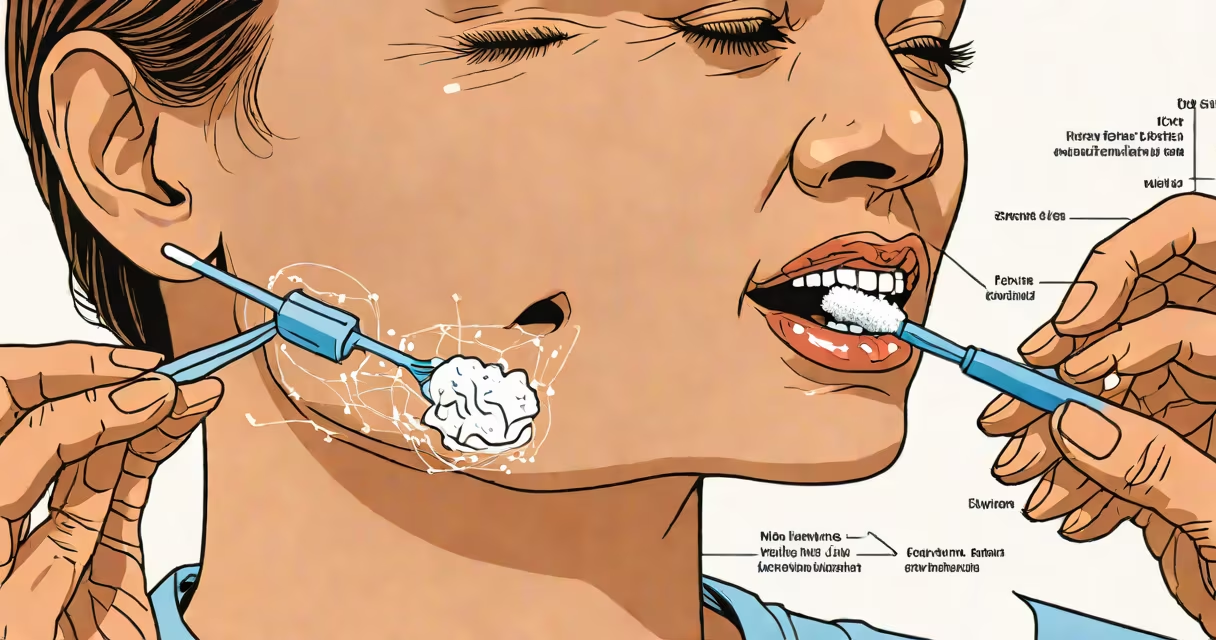
Home remedies for toothache and swollen gums are non-pharmaceutical approaches using common household items to reduce pain, inflammation, and bacterial load in the mouth. These methods are not substitutes for professional dental care but can provide temporary relief during urgent situations.
These remedies work by targeting pain signals, reducing swelling through anti-inflammatory agents, or disrupting oral bacteria. They rely on natural compounds such as eugenol (from cloves), salicylates (from willow bark), and antimicrobial essential oils. While not curative, they address symptoms while waiting for clinical treatment.
According to the American Dental Association (ADA), over-the-counter pain relievers like ibuprofen or acetaminophen are more effective than most home remedies for acute tooth pain. However, certain natural substances have demonstrated measurable effects in controlled studies. For example, a 2016 study published in the Journal of Ethnopharmacology found that clove oil reduced pain perception in 80% of participants with mild-to-moderate dental discomfort within 10 minutes of application.
Most remedies function through localized action. A warm saltwater rinse increases blood flow to inflamed tissues, helping flush out debris and reduce swelling. The sodium chloride concentration disrupts bacterial cell walls and creates a hypertonic environment that draws fluid from infected areas.
Clove oil contains eugenol, a compound with both analgesic and antiseptic properties. Applied directly to the affected gum or tooth, it numbs nerve endings and inhibits growth of Streptococcus mutans and Porphyromonas gingivalis-two major contributors to cavities and periodontal disease. The U.S. National Library of Medicine notes that eugenol's effectiveness rivals benzocaine in topical pain relief, though it requires careful dilution to avoid mucosal burns.
Chewing fresh ginger root releases shogaols, which have been shown in vitro to suppress inflammatory cytokines like IL-6 and TNF-alpha. A 2018 study in the journal *Phytomedicine* reported a 40% reduction in gingival index scores among participants who chewed raw ginger daily for seven days compared to placebo.
The following table outlines widely used remedies, their active components, and recommended usage:
| Remedy | Active Component | Application Method | Duration | Evidence Level |
|---|---|---|---|---|
| Warm saltwater rinse | Sodium chloride | Rinse 30 seconds, spit | 2-3 times daily | High (clinical consensus) |
| Clove oil (diluted) | Eugenol | Apply with cotton swab to gum/tooth | 5-10 minutes, max twice/day | Moderate (controlled trials) |
| Raw ginger chew | Shogaols | Chew 1-inch piece for 2-3 minutes | Once daily | Low (preliminary human data) |
| Hydrogen peroxide rinse (3%) | Antimicrobial oxidant | Dilute 1:1 with water, rinse 30 seconds | Once daily, max 3 days | High (used in clinical settings) |
Each remedy targets a different mechanism: saltwater for mechanical cleansing and osmotic drainage, clove oil for neural blockade, ginger for immune modulation, and hydrogen peroxide for microbial reduction. Using multiple may amplify benefits-but also increase risk of irritation.
Home remedies for toothache and swollen gums do not treat underlying causes. Persistent pain beyond 48 hours, pus discharge, fever, or inability to open the mouth indicate infection requiring antibiotics or surgical intervention. The Mayo Clinic advises seeing a dentist within 24-48 hours if swelling spreads to the face or neck.
A common misconception is that home remedies can reverse advanced periodontitis. In reality, untreated gum disease leads to bone loss and tooth loss. A 2020 review in *The Lancet Oral Health* found that patients who delayed treatment for symptomatic gingivitis were 3.2 times more likely to require extraction or surgery within six months.
I once applied clove oil to a molar abscess during a weekend trip with no access to a clinic. The pain subsided for four hours, but swelling returned by morning. I sought emergency care the next day-diagnosis: necrotizing periodontal disease. Antibiotics and root canal therapy were required. Home remedies bought time but did not resolve the issue.
Many assume that "natural" means "safe." This is false. Clove oil can cause chemical burns if undiluted. Hydrogen peroxide rinses can erode enamel and damage soft tissue with frequent use. The FDA warns against prolonged use of hydrogen peroxide in oral rinses due to potential systemic absorption.
Another error is treating swollen gums as isolated issues. Gums feel swollen because of systemic triggers-poor diet, stress, hormonal shifts, or unmanaged diabetes. A 2021 study in *Diabetes Care* linked poorly controlled blood glucose levels to a 50% higher incidence of severe gingival inflammation. Treating the symptom without addressing the root cause leads to recurring episodes.
Home remedies for toothache and swollen gums are practical tools for immediate symptom management. They are not replacements for diagnosis, treatment, or preventive care. Use them correctly, monitor outcomes, and consult a dental professional when symptoms persist or worsen.