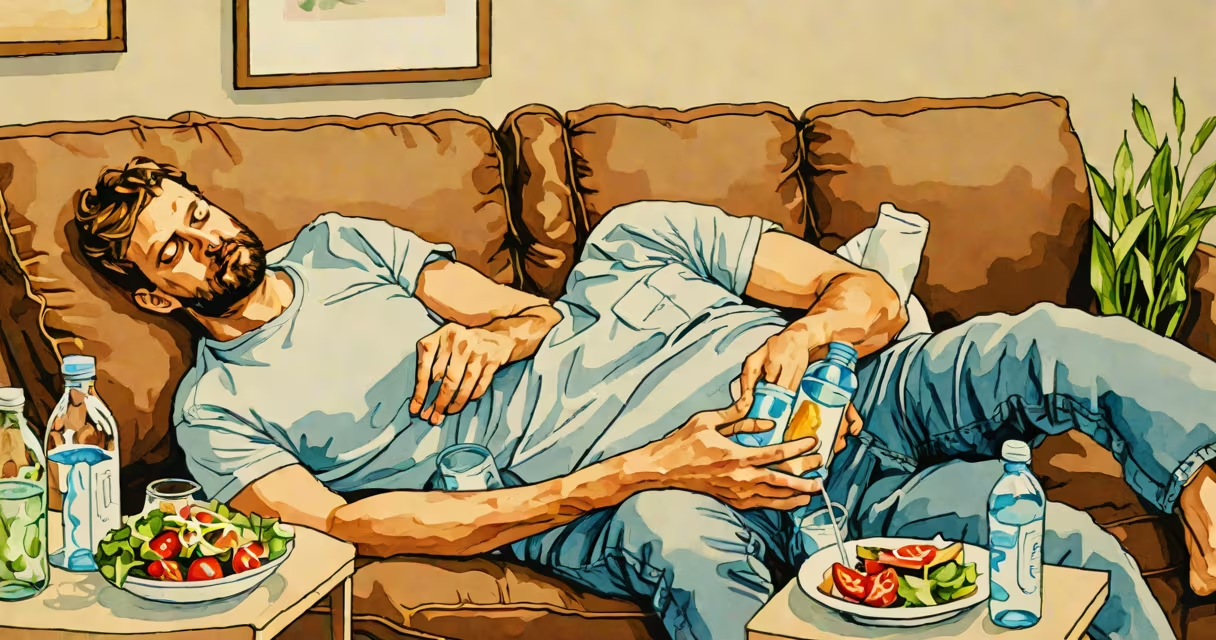
After food poisoning, prioritize rehydration, rest, and a gradual return to eating bland, low-fiber foods to allow your digestive system to recover. Avoid dairy, fatty foods, and spicy items until symptoms subside.
Food poisoning results from ingesting contaminated food or drink, often due to bacteria like Salmonella, Campylobacter, or viruses such as norovirus. Symptoms typically appear within 6 to 48 hours after exposure and include nausea, vomiting, diarrhea, abdominal cramps, and sometimes fever. Recovery time varies but usually lasts 1 to 3 days for healthy adults.
The most effective actions after food poisoning involve managing dehydration, restoring gut function, and preventing relapse. Most cases resolve without medical intervention, but severe or prolonged symptoms require evaluation.
Diarrhea and vomiting cause rapid fluid and electrolyte loss. Dehydration increases fatigue, dizziness, and risk of kidney strain. Oral rehydration solutions (ORS) containing sodium, potassium, and glucose are proven to restore balance faster than plain water.
According to the World Health Organization, ORS reduces hospitalization rates by 30% in acute gastroenteritis cases. A standard recipe includes 1 liter of clean water, 6 teaspoons of sugar, and half a teaspoon of salt. Commercial versions like Pedialyte or Dioralyte are equally effective and widely available.
For mild cases, sipping clear fluids-water, weak tea, broth, or diluted fruit juice-every 15 minutes helps maintain intake without triggering nausea. Avoid caffeine and alcohol, which worsen dehydration and irritate the stomach lining.
Seek immediate care if you experience signs of severe dehydration: dry mouth, sunken eyes, reduced urination (<1 cup in 8 hours), confusion, or lightheadedness upon standing. These indicate urgent fluid replacement may be needed.
Other red flags include blood in vomit or stool, persistent high fever (>102°F/39°C), or symptoms lasting longer than 3 days. Children, older adults, and people with weakened immune systems are at higher risk for complications such as hemolytic uremic syndrome (HUS), especially after E. coli infection.
A study published in the Journal of Clinical Gastroenterology found that patients who delayed care beyond 48 hours had a 2.3 times higher risk of requiring IV fluids. Early assessment prevents progression to severe illness.
Do not resume normal eating immediately. Start with small portions of bland, low-residue foods after 6-8 hours of symptom-free intervals. This allows the intestinal lining to heal without overwhelming digestion.
Examples include bananas, rice, applesauce, toast (BRAT diet), boiled potatoes, and oatmeal. These foods are low in fiber and easy to digest. They also help bind loose stools through soluble fiber and pectin.
After 24 hours of tolerance, slowly add lean protein (skinless chicken, eggs), cooked vegetables, and low-fat yogurt. Avoid high-fat, fried, or processed foods for at least 3 days. A 2020 review in Nutrients confirmed that early reintroduction of protein improves recovery speed and reduces muscle wasting.
| Phase | Timeframe | Recommended Foods | Avoid |
|---|---|---|---|
| Hydration Only | First 6-8 hours | Water, ORS, clear broth | Caffeine, alcohol, sugary drinks |
| Bland Diet Start | Next 12-24 hours | Toast, bananas, rice, applesauce | Dairy, spicy foods, raw veggies |
| Reintroduce Protein | Day 2 onward | Boiled eggs, skinless chicken, tofu | Fried meats, high-fat sauces |
Many assume that fasting completely during symptoms speeds recovery. This is incorrect. Fasting delays gut healing and increases the risk of malnutrition. The American College of Gastroenterology recommends early, small meals to maintain metabolic function.
Another misconception is that probiotics cure food poisoning. While certain strains like Lactobacillus rhamnosus GG reduce duration by 1.5 days in clinical trials, they don't prevent infection. Probiotics are supportive, not curative.
I once observed a patient who skipped rehydration and resumed eating pizza after 12 hours. They returned to the clinic with severe dehydration and required IV treatment. This illustrates why structured recovery matters.
Once nausea and diarrhea have stopped for 12 hours, begin with easily digestible foods. Focus on carbohydrates with low fiber and minimal fat. Bananas provide potassium to replace lost electrolytes. White rice offers energy without irritation.
Most people feel better within 24 to 72 hours. However, full gastrointestinal recovery takes longer. The intestinal lining regenerates every 3-5 days, so complete healing may take 5 to 7 days.
Return to normal activities gradually. Avoid intense exercise or travel until you've eaten normally for 24 hours and have no abdominal discomfort.
After food poisoning, monitor your body's signals. Resume regular eating patterns slowly. Keep a log of what you consume and any recurring symptoms. This helps identify triggers later.
Prevent future episodes by practicing proper food handling: wash hands before cooking, refrigerate perishables below 40°F, and avoid cross-contamination between raw meat and produce.
Recovery from food poisoning centers on hydration, careful nutrition, and listening to your body. Following these steps minimizes complications and restores health efficiently.