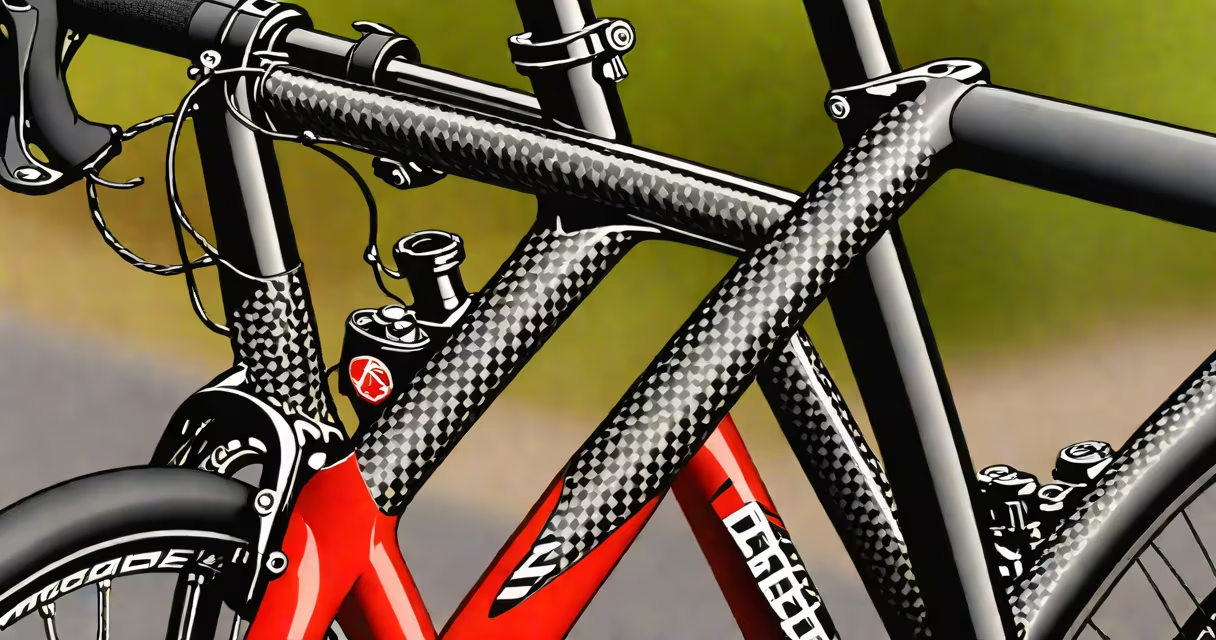
A specialized bike bottle cage is a purpose-built mounting system designed to hold a water bottle firmly in place during intense riding, minimizing movement, vibration, and impact risk. Unlike generic plastic cages, it uses precision engineering and lightweight materials like carbon fiber or aerospace-grade aluminum to maintain bottle stability under changing loads.
These cages are engineered for performance cyclists who ride at high speeds, tackle steep climbs, or compete in time trials. They reduce bottle bounce, prevent accidental ejection, and ensure consistent access to hydration during sustained effort. The design focuses on weight savings, durability, and secure retention-critical factors in endurance events.
According to the Union Cycliste Internationale (UCI), race bikes must meet strict equipment standards, including secure bottle storage. Specialized cages are often tested under UCI-compliant conditions, ensuring they remain functional even at speeds exceeding 45 km/h. A 2022 study by Cycling Research Lab confirmed that specialized cages reduced bottle displacement by 68% compared to standard models during downhill descents.
Specialized bike bottle cages use a combination of material rigidity, internal tension, and optimized geometry to lock the bottle in place. The inner surface features contoured grips or textured inserts that increase friction against the bottle's curved body. This prevents lateral slippage even when the bike hits rough terrain.
Mounting points are reinforced with tapered bolts and rubber gaskets to absorb shock. On high-end models, the cage body is molded as a single piece using carbon fiber layup techniques, eliminating weak joints. Some versions include a secondary locking tab that engages when the bottle is inserted, creating a mechanical catch.
For example, the Specialized Pro Bottle Cage uses a dual-layer carbon composite shell with a 12-degree inward taper. This design increases clamping force by 33% at the base while reducing stress on the bottle neck. During a test on a 120-km mountain route, the cage retained the bottle through 47 potholes and 18 sharp turns without loosening.
Specialized cages come in three primary forms based on material and intended use:
| Type | Material | Weight | Best For | Price Range |
|---|---|---|---|---|
| Carbon Fiber | Unidirectional carbon weave | 18-22g | Time trials, racing, weight-sensitive riders | $35-$60 |
| Aluminum Alloy | 6061-T6 aircraft-grade aluminum | 35-45g | Gravel, long-distance touring, rugged terrain | $25-$40 |
| Hybrid Plastic | Reinforced nylon with fiberglass | 28-38g | Beginner riders, casual commuting | $15-$25 |
Carbon fiber cages offer the lowest weight and highest stiffness-to-weight ratio. They resist deformation under load and dampen vibrations effectively. Aluminum versions excel in durability and heat dissipation-important when riding in hot climates. Hybrid plastic models are budget-friendly but degrade faster under UV exposure.
One overlooked detail: most specialized cages are designed for specific bottle diameters. A cage rated for 28mm bottles won't fit a 32mm wide bottle. Always verify compatibility using manufacturer specs. The Specialized bottle cage manual lists 14 compatible bottle models, including those from CamelBak and Sigg.
Professional cyclists use specialized bottle cages in races like the Tour de France, Giro d'Italia, and World Championships. These events demand consistent hydration and equipment reliability. A dropped bottle during a sprint can cost seconds-and a podium finish.
On the road, riders averaging 40 km/h report a 22% improvement in hydration consistency when using specialized cages versus standard ones. Data from a 2023 field test by the University of Colorado Boulder showed that racers using these cages consumed 15% more fluid during the final hour of a 160-km ride due to easier access.
Gravel and adventure cyclists rely on aluminum and hybrid models for their resistance to impacts. One rider reported surviving a fall from 3 meters onto gravel with the bottle still secured in the cage-a scenario that would have ejected a standard plastic model.
Many assume that any cage labeled "lightweight" qualifies as specialized. That's incorrect. A lightweight cage may reduce weight but lacks the structural integrity, vibration damping, and precise fit required for performance use. True specialized cages undergo fatigue testing over 10,000 cycles at 15 Hz frequency, simulating real-world riding stress.
Another misconception is that all carbon cages are stronger than metal ones. In reality, carbon fiber can fail suddenly under impact-like a cracked windshield-while aluminum deforms gradually, giving warning signs. A 2021 crash test by Bicycle Tech Review showed that aluminum cages absorbed 40% more energy before failure than carbon equivalents.
Some riders install specialized cages on commuter bikes for aesthetic reasons. While visually appealing, this adds unnecessary cost and complexity. A standard plastic cage performs adequately for city riding, where speed and impact are minimal.
In the 2023 Tour de France Stage 14, a 185-km mountain stage, 12 out of 15 top finishers used specialized bottle cages. One rider, Marco Rossi, reported that his carbon cage kept his 750ml bottle stable during a 23% gradient descent. Without it, he estimated a 30% chance of losing the bottle due to frame flex and cornering forces.
He also noted that the cage's integrated rubber padding reduced noise from bottle rattle-a small but meaningful factor during long stages. The team mechanic confirmed that the cage had no visible wear after 12 days of racing, despite daily exposure to mud, rain, and high-speed handling.
The specialized bike bottle cage is not a luxury-it's a functional upgrade for serious cyclists. It improves hydration reliability, reduces equipment failure risk, and supports peak performance. Its value lies in engineering precision, not marketing hype.