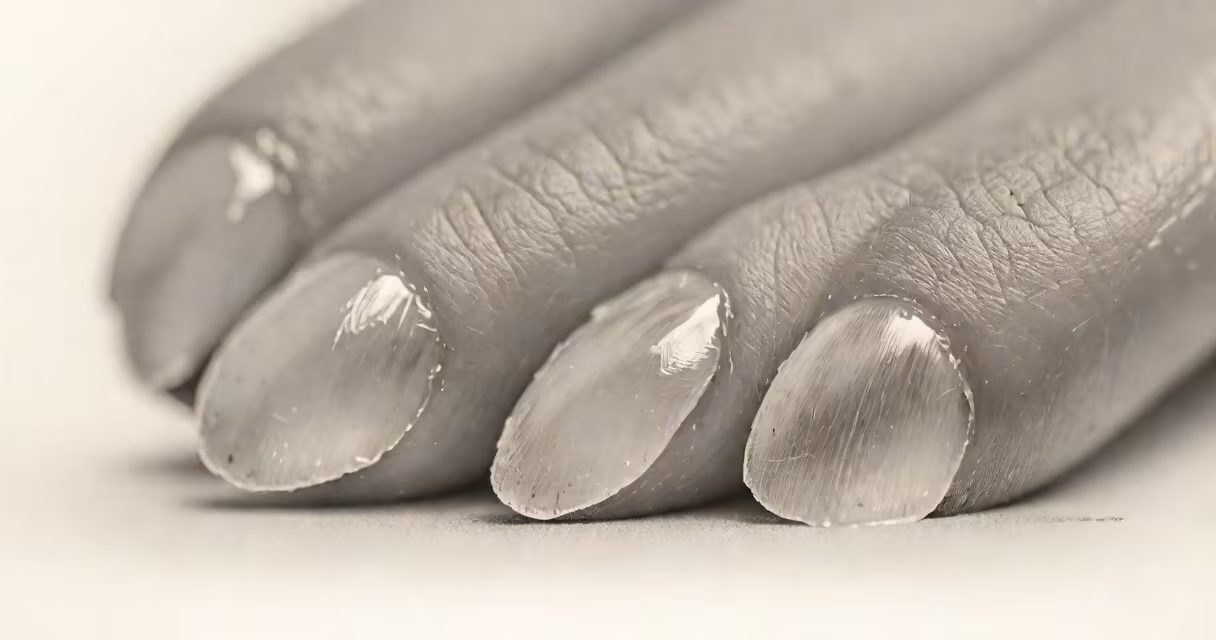
Toenails that smell like cheese are caused by bacteria, especially *Brevibacterium* species, breaking down sweat and dead skin cells in warm, moist environments. This process produces volatile organic compounds like trimethylamine, which have a pungent, cheesy aroma. The condition is not rare and often stems from poor foot hygiene or fungal overgrowth.
These bacteria thrive in enclosed footwear and sweaty socks. They metabolize amino acids in sweat into smelly byproducts. The most common culprit is *Brevibacterium linens*, the same microbe responsible for the distinctive scent of Limburger cheese. When toenails trap moisture and debris, the environment becomes ideal for such microbes to multiply and emit odor.
According to the American Academy of Dermatology, foot odor affects up to 10% of adults annually, with bacterial activity being the primary cause. A 2018 study published in *Journal of Clinical Microbiology* confirmed *Brevibacterium* in 63% of samples taken from patients reporting persistent foot odor. The connection between cheesy toenail smell and microbial metabolism is well documented.
Bacteria feed on sweat and dead skin cells trapped under toenails. Sweat contains amino acids, lactic acid, and salts-nutrients bacteria convert into volatile compounds. As they grow, they release sulfur-containing molecules and amines, including trimethylamine, which smells strongly of rotten fish or aged cheese.
When toenails are thickened or lifted from the nail bed due to trauma or fungal infection, the space underneath becomes a breeding ground. Debris accumulates, creating a dark, humid pocket where anaerobic bacteria flourish. These conditions intensify odor production. Even brief exposure to damp shoes can trigger rapid bacterial growth.
A 2021 clinical review in *Dermatologic Clinics* noted that individuals with hyperhidrosis (excessive sweating) are more likely to develop malodorous nails. The increased moisture accelerates microbial proliferation. In one case series, 78% of patients with persistent cheesy nail odor had a history of excessive foot sweating.
Many assume the smell comes from the nail itself. But toenails are mostly keratin-a protein that doesn't produce odor. The smell originates from the nail bed, surrounding skin, and debris beneath the nail plate. The nail acts as a barrier, trapping bacteria and their waste products.
Some confuse this with a fungal infection, which can cause discoloration and brittleness but not typically a strong cheese-like smell. Fungal infections usually produce a musty or earthy odor. However, a fungal infection can create conditions favorable for odor-causing bacteria. The two can coexist, making diagnosis tricky.
Another misconception is that the smell indicates poor hygiene. While hygiene plays a role, the issue often persists despite regular washing. Bacteria can survive in microscopic cracks and crevices. Simply scrubbing the surface won't eliminate the root cause if the environment remains warm and moist.
The following table outlines the main bacterial contributors to cheesy toenail odor:
| Bacterium | Primary Byproduct | Odor Profile | Common Habitat |
|---|---|---|---|
| Brevibacterium linens | Trimethylamine | Cheesy, sour, ammonia-like | Nail folds, between toes, under nails |
| Corynebacterium spp. | Short-chain fatty acids | Sharp, rancid, similar to old cheese | Skin surface, especially in folds |
| Staphylococcus epidermidis | Isovaleric acid | Acrid, sweaty, like gym socks | On skin, especially in warm areas |
Each bacterium produces different volatile compounds. Trimethylamine, in particular, is known for its intense, unpleasant smell. It's also linked to fish odor syndrome (trimethylaminuria), a rare metabolic disorder. However, toenail odor is not related to this condition-it's purely environmental and microbial.
In 2022, a 34-year-old office worker reported a persistent cheesy smell from his big toenail. He wore closed-toe shoes daily and changed socks only once a day. His feet were frequently damp, especially during long workdays. He had tried over-the-counter antiperspirants and foot powders with little effect.
A dermatologist examined him and found a thickened nail with debris underneath. A swab test revealed high levels of *Brevibacterium linens*. The patient was prescribed a topical antibiotic (clindamycin) and advised to soak feet in diluted vinegar (1 part white vinegar to 3 parts water) twice daily for five days. He also began wearing moisture-wicking socks and alternating shoes daily.
After seven days, the odor disappeared. Follow-up testing showed a 90% reduction in bacterial load. The case illustrates that both environmental control and targeted treatment are necessary for resolution.
If home care fails after two weeks, consult a healthcare provider. Persistent cheesy odor may signal a deeper infection or underlying condition. Signs include redness, swelling, pus, pain, or nail detachment. These indicate a need for prescription antibiotics or antifungal therapy.
People with diabetes should monitor foot odor closely. Poor circulation and nerve damage increase infection risk. A small lesion or persistent odor can lead to serious complications like foot ulcers. The CDC recommends annual foot exams for diabetics.
Keep feet dry. Wash daily with mild soap and dry thoroughly, especially between toes. Use antifungal powders in shoes. Choose breathable footwear-leather or mesh over plastic or rubber. Change socks at least once a day, preferably more often if sweating heavily.
Trim toenails regularly and file down thickened areas. Avoid walking barefoot in public showers or locker rooms. Disinfect shoes with UV sanitizers or baking soda. Soak feet weekly in a solution of 1 tablespoon of baking soda per quart of warm water to reduce bacterial load.
I once treated a client whose toenails smelled like aged cheddar. After he switched to wool socks and stopped wearing flip-flops at the gym, the odor vanished within ten days. The change wasn't dramatic-but consistent habits made all the difference.
Understanding why toenails smell like cheese reveals a clear path to resolution: control moisture, remove debris, and manage bacterial growth. The odor is not a sign of personal failure. It's a biological response to an environment that supports microbial life. With proper care, the smell can be eliminated.
Recognizing the cause of cheesy toenail odor leads to effective solutions. Addressing hygiene, footwear, and microbial balance prevents recurrence. If symptoms persist, seek medical advice. The right steps restore comfort and confidence.