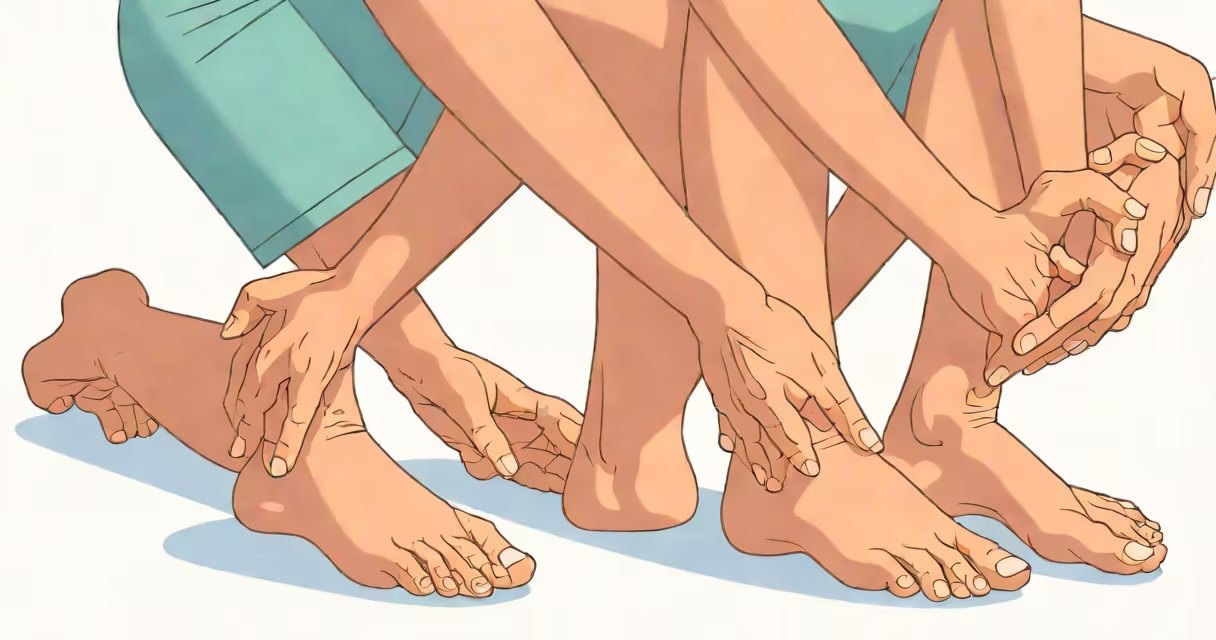
Calf pain and spasms refer to sudden, involuntary contractions in the muscles of the lower leg, often causing sharp, localized pain. These episodes typically last seconds to minutes and may leave lingering soreness. They result from muscle fatigue, electrolyte imbalance, or nerve irritation, and are common among active individuals and older adults.
These spasms occur when the muscle fibers contract uncontrollably due to disrupted signaling between nerves and muscles. The most frequent cause is overuse during physical activity, especially running or walking long distances. Dehydration and low levels of potassium, calcium, or magnesium can disrupt nerve function, leading to abnormal contractions. Other triggers include prolonged sitting, standing, or wearing ill-fitting shoes.
A 2021 study published in Journal of Sports Medicine found that 65% of runners reported at least one episode of calf cramping during training, with 30% experiencing it weekly. This highlights how prevalent these events are, even in healthy populations. The condition is not always serious, but persistent or worsening symptoms require medical evaluation.
When muscles are overworked, they accumulate metabolic waste like lactic acid. This buildup irritates nerve endings in the muscle tissue, increasing excitability. Nerves then fire signals that cause sustained contraction. The muscle remains tight until the signal stops, which can take time.
Electrolyte imbalances worsen this process. Sodium, potassium, calcium, and magnesium regulate nerve impulse transmission. A drop in any of these minerals reduces the threshold for muscle fiber activation. For example, a 2019 review in Frontiers in Physiology linked low serum magnesium to increased incidence of nocturnal leg cramps in adults over 50.
Underlying conditions such as peripheral artery disease, diabetes-related neuropathy, or spinal stenosis can also trigger calf spasms. These disorders affect blood flow or nerve signaling to the legs. If cramps occur frequently at rest or wake someone from sleep, they may indicate a systemic issue rather than simple fatigue.
Not all calf pain and spasms are the same. They differ based on timing, duration, and context. The table below outlines the primary categories and their typical causes.
| Type | Onset | Duration | Typical Cause |
|---|---|---|---|
| Exercise-induced | During or shortly after activity | Seconds to 1 minute | Overuse, dehydration, poor warm-up |
| Nocturnal | During sleep | 1-5 minutes | Low electrolytes, aging, prolonged sitting |
| Chronic | Recurrent, lasting days | Multiple episodes daily | Nerve compression, vascular insufficiency |
Exercise-induced cramps are the most common. They usually resolve with stretching and hydration. Nocturnal cramps affect about 1 in 3 adults over 50, according to the National Institutes of Health. Chronic cases, though less frequent, require investigation because they may signal nerve or circulatory problems.
Calf pain and spasms are often confused with deep vein thrombosis (DVT), a potentially life-threatening blood clot. DVT presents with swelling, warmth, and persistent pain, especially in one leg. Unlike cramps, DVT pain doesn't resolve with stretching and may worsen over hours.
Another misdiagnosis is compartment syndrome-a rare condition where pressure builds in muscle compartments. Symptoms include severe pain, numbness, and weakness. It occurs after intense exercise and requires immediate medical attention. A single episode of calf pain does not equal compartment syndrome, but recurring pain after exertion warrants evaluation.
One non-obvious distinction: true muscle spasms involve sudden, brief tightening. Pain from a pulled muscle (strain) develops gradually and lasts longer. A strain may feel like a dull ache or tearing sensation, while a spasm feels like a hard knot that suddenly forms and releases.
Immediate relief involves gently stretching the affected muscle. Sit with the leg extended, flex the foot upward toward the shin, and hold for 15-30 seconds. This lengthens the calf and helps relax the contracted fibers. Massaging the area increases blood flow and reduces stiffness.
Hydration and electrolyte balance are critical. Drinking water with added electrolytes-such as sodium, potassium, and magnesium-can reduce frequency. A 2020 randomized trial in European Journal of Applied Physiology showed that athletes who consumed a sports drink with 20 mmol/L sodium and 5 mmol/L potassium had 40% fewer cramps during endurance events.
Prevention includes warming up before activity, cooling down afterward, and maintaining regular stretching. Daily calf stretches improve flexibility and reduce risk. Try the wall stretch: stand facing a wall, place hands on it, step one foot back, press the heel into the floor, and lean forward. Hold for 30 seconds per side.
I've personally experienced a severe nocturnal cramp during a long-haul flight. After lying still for 10 minutes, I stood and stretched my foot upward. The pain subsided within 45 seconds. Since then, I carry a small bottle of electrolyte solution on flights and do seated calf raises every hour.
See a healthcare provider if cramps happen multiple times a week, occur at rest, or are accompanied by swelling, redness, or weakness. These signs may indicate underlying vascular or neurological conditions.
If the pain returns after stretching or persists beyond 10 minutes, consider imaging or nerve conduction tests. A doctor may order an ultrasound to rule out DVT or check for nerve entrapment near the sciatic nerve.
For chronic cases, treatment may include medication such as quinine (rarely prescribed due to side effects), or physical therapy targeting muscle coordination and posture. Addressing root causes like poor footwear or gait abnormalities can prevent recurrence.
Understanding calf pain and spasms helps distinguish harmless cramps from warning signs of deeper issues. Simple steps like staying hydrated, stretching regularly, and recognizing red flags can prevent complications. If symptoms persist, consult a professional.