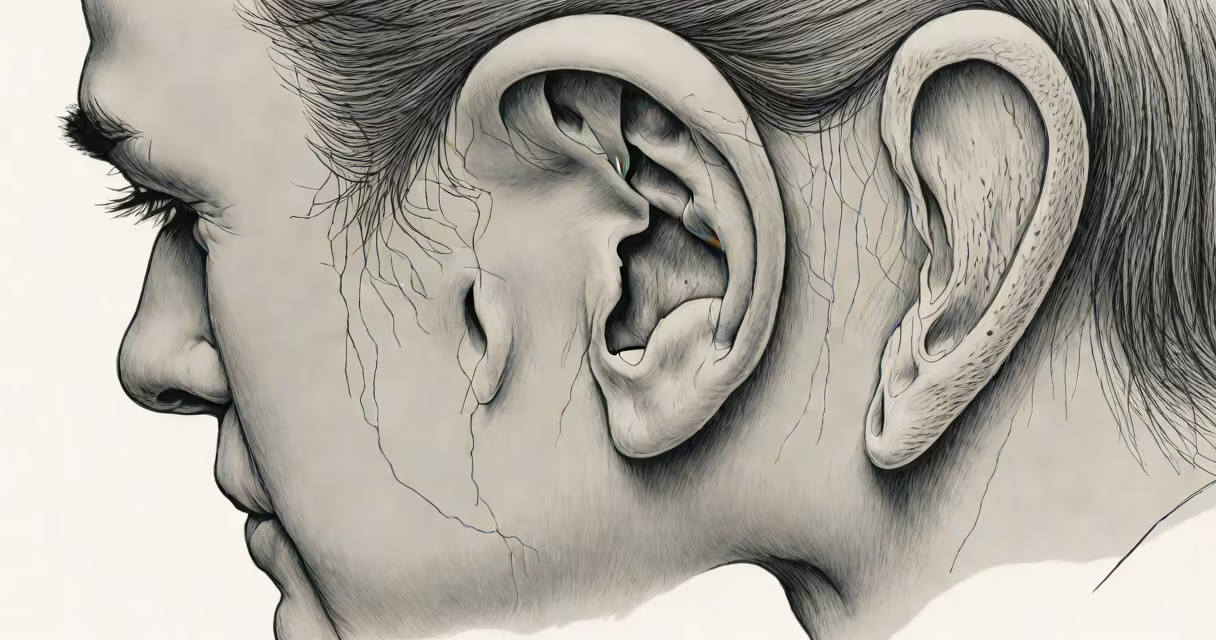
Pain in the outer ear typically results from inflammation or infection of the ear canal, often triggered by moisture, trauma, or allergens. This condition, medically known as otitis externa, affects the skin lining the external auditory canal and can develop rapidly.
The outer ear includes the pinna-the visible flap-and the ear canal leading to the eardrum. When this area becomes irritated or infected, sharp or throbbing pain may occur, especially when touching the ear or chewing. Common triggers include water exposure, excessive cleaning, or skin conditions like eczema.
According to the American Academy of Otolaryngology-Head and Neck Surgery (AAO-HNS), otitis externa accounts for nearly 1 million outpatient visits annually in the U.S., with most cases linked to bacterial or fungal growth in moist environments.
When the skin of the ear canal becomes damaged, bacteria or fungi can invade and multiply. The body responds with inflammation-swelling, redness, and increased blood flow-which compresses nerves and causes pain. This process is often accelerated by moisture trapped in the ear after swimming or showering.
Damage to the skin barrier allows pathogens to enter. For example, frequent use of cotton swabs can remove protective earwax and scratch the delicate skin, creating entry points for infection. AAO-HNS notes that 60% of otitis externa cases involve prior mechanical trauma to the ear canal.
Some people develop chronic outer ear pain due to underlying skin disorders. Eczema, psoriasis, or seborrheic dermatitis can weaken the skin's integrity, making it prone to recurrent irritation and infection. These cases often require long-term management rather than short-term antibiotics.
Outer ear pain varies in cause and presentation. The most common types include:
| Type | Primary Cause | Typical Symptoms | Prevalence |
|---|---|---|---|
| Acute otitis externa | Bacterial infection (commonly Pseudomonas aeruginosa) | Severe pain, itching, discharge, hearing loss | ~80% of cases |
| Chronic otitis externa | Prolonged inflammation, often from eczema or allergies | Recurrent mild pain, flaking skin, persistent itch | ~15% |
| Fungal otitis externa | Aspergillus or Candida species | Itching, thick white or black debris, pain worsened by touch | ~5% |
Swimmer's ear-a colloquial term for acute otitis externa-is not caused by swimming itself but by water remaining in the ear canal after swimming. This damp environment encourages microbial growth. The CDC reports that 1 in 10 swimmers develops symptoms within days of prolonged water exposure.
A lesser-known factor is contact dermatitis from earrings, hair products, or earbuds. Nickel in earrings, for instance, can trigger allergic reactions in sensitive individuals. A 2022 study in *The Journal of Allergy and Clinical Immunology* found that 12% of patients with outer ear pain had metal allergy confirmed via patch testing.
Many people mistake outer ear pain for middle ear infections. Middle ear infections (otitis media) typically cause pressure behind the eardrum and are more common in children. They rarely cause pain when touching the outer ear, unlike otitis externa, which worsens with jaw movement or pulling on the earlobe.
Another frequent error is using over-the-counter ear drops without diagnosis. Some drops contain alcohol or steroids that can irritate already inflamed tissue. The FDA warns against using certain ear drops in people with perforated eardrums, as they may cause dizziness or further damage.
It's also incorrect to assume that ear pain always requires antibiotics. Only bacterial cases respond to antibiotics. Fungal infections need antifungals, and allergic cases require avoidance of triggers and anti-inflammatory treatment. Misuse of antibiotics contributes to resistance and delays recovery.
In July 2023, a 28-year-old competitive swimmer reported severe pain in her right ear after a 2-hour training session in a chlorinated pool. She had cleaned her ears with a cotton swab earlier that day. By evening, the pain was sharp and worsened when she chewed or touched the ear.
An ENT specialist diagnosed acute otitis externa. Swab cultures confirmed Pseudomonas aeruginosa. Treatment included prescription antibiotic-steroid ear drops applied twice daily for seven days. The patient avoided swimming during treatment and used a waterproof earplug afterward. Pain resolved completely in five days.
This case illustrates how routine habits-like cleaning the ear with a swab-can disrupt the ear's natural defenses. It also shows that early intervention prevents complications like permanent narrowing of the ear canal (stenosis).
Seek evaluation if pain lasts more than 48 hours, worsens with movement, or is accompanied by fever, drainage, or hearing loss. These signs suggest infection spreading beyond the ear canal.
People with diabetes or weakened immune systems face higher risks of severe complications. AAO-HNS recommends prompt care for these groups to prevent osteomyelitis (bone infection) or necrotizing otitis externa, a rare but life-threatening form.
Outer ear pain is not just discomfort-it's a signal of disrupted function. Addressing the root cause promptly reduces risk of lasting damage and restores comfort quickly.