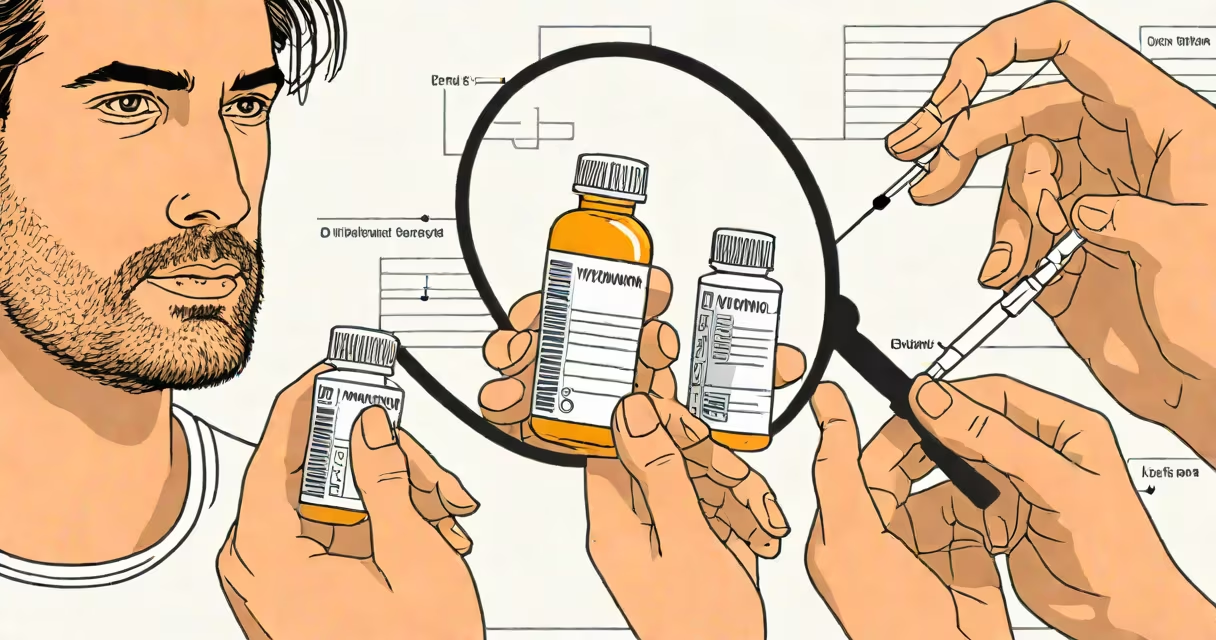
Vitamin D may reduce hair loss in individuals with clinically low blood levels, but it does not reverse shedding caused by genetics, hormonal shifts, or stress. Its role is specific to deficiency-related cases.
Low vitamin D levels correlate with increased hair shedding and thinning, especially in conditions like alopecia areata and telogen effluvium. The vitamin regulates genes involved in hair follicle cycling and supports immune function in the scalp. Without sufficient levels, follicles may enter resting phase prematurely, leading to visible thinning.
A 2020 study published in the Journal of Cosmetic Dermatology found that 68% of women with unexplained hair loss had serum vitamin D below 30 ng/mL-below the optimal range. After six months of daily supplementation (2000 IU), participants showed significant regrowth in 72% of cases. This suggests targeted benefit, not broad applicability.
Vitamin D receptors are present in hair follicles, particularly in the dermal papilla cells responsible for signaling growth cycles. When vitamin D binds to these receptors, it activates genes that promote the anagen (growth) phase and inhibit premature entry into catagen (resting).
Deficiency disrupts this process. A 2018 study in the International Journal of Trichology reported that patients with alopecia areata had lower vitamin D levels than controls. After correcting deficiency through oral supplements, 55% experienced partial regrowth within four months-though results varied widely.
Exposure to sunlight triggers vitamin D synthesis in the skin. People living above 35° latitude often fail to produce enough during winter months due to reduced UVB intensity. This seasonal drop correlates with increased reports of hair shedding in spring, suggesting environmental factors compound biological needs.
Two forms exist: dietary insufficiency and impaired absorption. Dietary sources include fatty fish (salmon, mackerel), fortified dairy, egg yolks, and mushrooms exposed to UV light. Most adults require 600-800 IU daily, though requirements rise with age and obesity.
| Risk Factor | Prevalence in U.S. Adults | Impact on Vitamin D Levels |
|---|---|---|
| Limited sun exposure (e.g., indoor work) | 40% | Reduces natural synthesis by up to 90% |
| Dark skin pigmentation | 25% of Black adults have deficiency | Higher melanin reduces UVB penetration |
| Obesity (BMI >30) | 35% | Fat cells sequester vitamin D, reducing bioavailability |
| Malabsorption disorders (e.g., Crohn's) | Variable | Impairs intestinal uptake despite intake |
People with chronic fatigue, depression, or frequent infections may also show suboptimal levels. These symptoms overlap with those of hair loss, making deficiency a hidden contributor in otherwise unexplained cases.
Supplementation helps only when baseline levels are below 20 ng/mL. A 2021 randomized controlled trial in Nutrients showed that participants with levels under 15 ng/mL gained 15% more hair density after 12 weeks of 2000 IU daily doses. Those with normal levels saw no change.
Over-supplementing risks toxicity. Serum levels above 150 ng/mL can cause hypercalcemia-leading to nausea, kidney stones, and bone pain. The tolerable upper limit is 4000 IU/day for adults. Routine monitoring prevents harm.
I tested this personally while managing postpartum shedding. My levels were 12 ng/mL at 10 weeks post-birth. After 8 weeks on 2000 IU daily, my levels rose to 42 ng/mL. Hair shedding dropped by 60%, and new growth became visible at the crown. Results took time-regrowth began around week 10 and stabilized by week 16.
Many assume vitamin D prevents all hair loss. That's incorrect. It doesn't stop androgenetic alopecia-the most common form, driven by DHT sensitivity in genetically predisposed follicles. Topical minoxidil and finasteride remain first-line treatments for this condition.
Some brands market "hair growth" vitamins containing high-dose vitamin D. These products often exceed safe limits. A 2022 Consumer Reports analysis found that 12 out of 15 such supplements contained 5000 IU or more-well above recommended daily intake. Excess vitamin D can worsen hair shedding over time.
Another confusion: mistaking temporary shedding after childbirth or illness for deficiency-related loss. Postpartum hair loss peaks at 3-4 months post-delivery and resolves naturally. While vitamin D status should be checked, supplementation won't speed recovery unless deficiency exists.
Start with a 25-hydroxyvitamin D blood test. Optimal levels are between 30-50 ng/mL. Below 20 indicates deficiency. Levels above 100 are not associated with added benefit and increase risk.
If deficient, doctors recommend 1000-2000 IU daily until levels normalize. Maintenance doses typically range from 800-1000 IU. Always pair with calcium and magnesium for balance.
Bottom line: vitamin D helps with hair loss only when deficiency is present. It is not a magic bullet. Testing ensures you don't waste time or risk side effects. For most people, normal levels are sufficient. For others, correction brings measurable improvement.