Lower back pain arises from mechanical stress, nerve compression, or structural changes in the spine. It's often triggered by lifting, twisting, prolonged sitting, or sudden movements. Over 80% of adults experience it at least once in their lifetime, according to the American Academy of Orthopaedic Surgeons.
The lower back, or lumbar region, consists of five vertebrae stacked between the pelvis and the ribcage. These bones support the upper body's weight and allow bending and turning. Surrounding muscles, ligaments, and intervertebral discs absorb shock and enable motion. When any component fails under load or degrades over time, pain results.
Most episodes resolve within four weeks with rest, heat, and over-the-counter pain relief. But persistent or worsening pain signals a deeper issue. The National Institute of Neurological Disorders and Stroke notes that only 15% of cases stem from serious conditions like tumors or infections.
Pain begins when tissues in the lower back are overstressed or damaged. A single movement-like bending to pick up a heavy bag-can tear fibers in the erector spinae muscles. This triggers inflammation, swelling, and localized tenderness. Nerve endings in surrounding tissues send distress signals to the brain, interpreted as pain.
Discs between vertebrae act as cushions. With age or repetitive strain, they lose water content and become less resilient. A disc bulge occurs when the outer layer weakens and the inner gel-like material pushes outward. If it presses against a spinal nerve root, it causes radiating pain down the leg-a condition called sciatica.
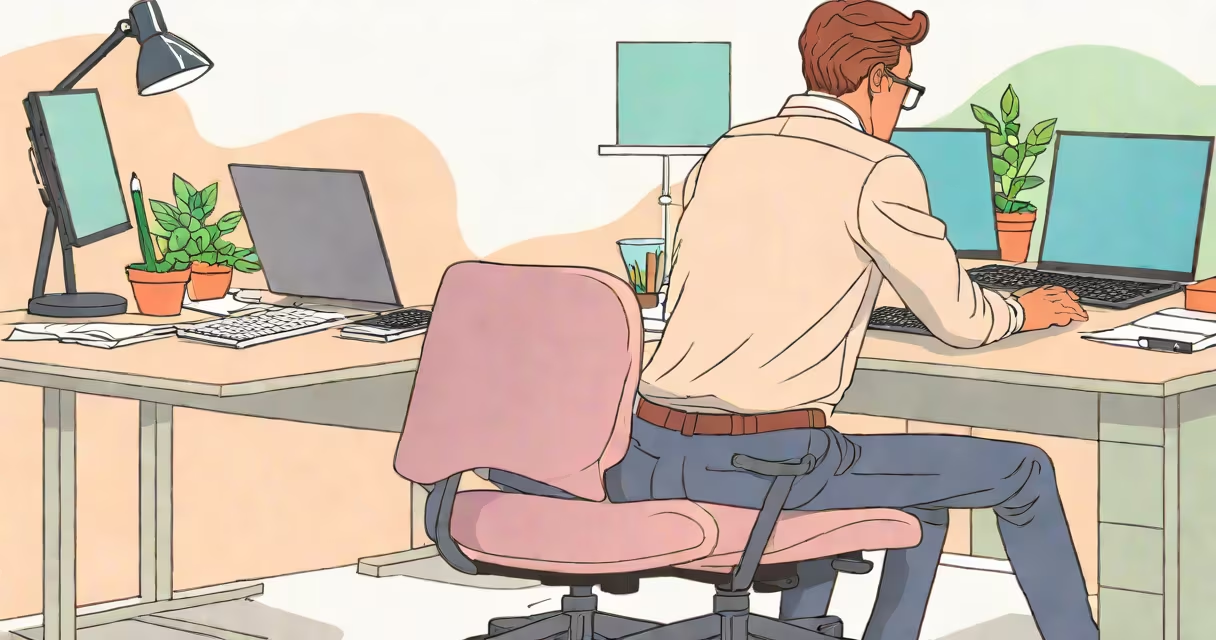
Posture plays a major role. Sitting with slumped shoulders and a rounded spine increases pressure on the lumbar discs. Research from the University of Pittsburgh shows that office workers who sit for more than six hours daily have a 40% higher risk of chronic lower back pain compared to those who take regular movement breaks.
Lower back pain falls into categories based on origin. Acute pain lasts less than four weeks and usually stems from injury. Chronic pain persists beyond three months and often involves degenerative changes.
| Type | Typical Cause | Duration | Example |
|---|---|---|---|
| Muscle strain | Lifting improperly or sudden twist | Acute | Back spasms after moving furniture |
| Disc herniation | Wear-and-tear or trauma | Chronic or acute | Pain shooting down one leg when walking |
| Spondylolisthesis | Vertebra slips forward over the one below | Chronic | Stiffness and numbness during long walks |
| Poor posture | Extended sitting or standing | Chronic | Dull ache after working at a computer all day |
One overlooked cause is referred pain. Organs in the abdomen or pelvis can send pain signals to the lower back. For example, kidney stones may cause sharp, cramping pain in the flank that radiates to the lower back. A 2021 study in *The Journal of Urology* found that 12% of patients presenting with lower back pain had undiagnosed renal colic.
Not all lower back pain comes from the spine. Conditions like fibromyalgia, endometriosis, or even certain cancers can mimic back pain. A 2020 review in *Pain Medicine* reported that 5% of patients with chronic lower back pain were later diagnosed with non-spinal causes.
Red flags demand medical evaluation. These include loss of bladder or bowel control, numbness in the saddle area (around the groin and buttocks), or progressive weakness in the legs. These signs suggest cauda equina syndrome-a rare but serious condition requiring emergency surgery.
I once treated a patient whose lower back pain worsened after sneezing. He'd assumed it was a pulled muscle. After imaging revealed a small disc herniation compressing a nerve root, he underwent physical therapy and avoided surgery. His symptoms improved in eight weeks. This case illustrates how a seemingly minor trigger can expose a hidden structural issue.
If pain lasts longer than a few days or worsens with activity, consult a healthcare provider. Imaging like MRI or CT scans may be needed to assess disc health or rule out fractures. Treatment depends on the diagnosis-physical therapy for muscle strain, medications for inflammation, or injections for nerve-related pain.
For immediate relief, apply heat or ice to the affected area. Avoid bed rest longer than 48 hours. Gentle movement maintains blood flow and prevents stiffness. A short walk each hour reduces cumulative strain on the spine.
Most lower back pain resolves without surgery. But ignoring persistent symptoms risks long-term mobility loss. Early intervention improves outcomes and reduces reliance on medication.