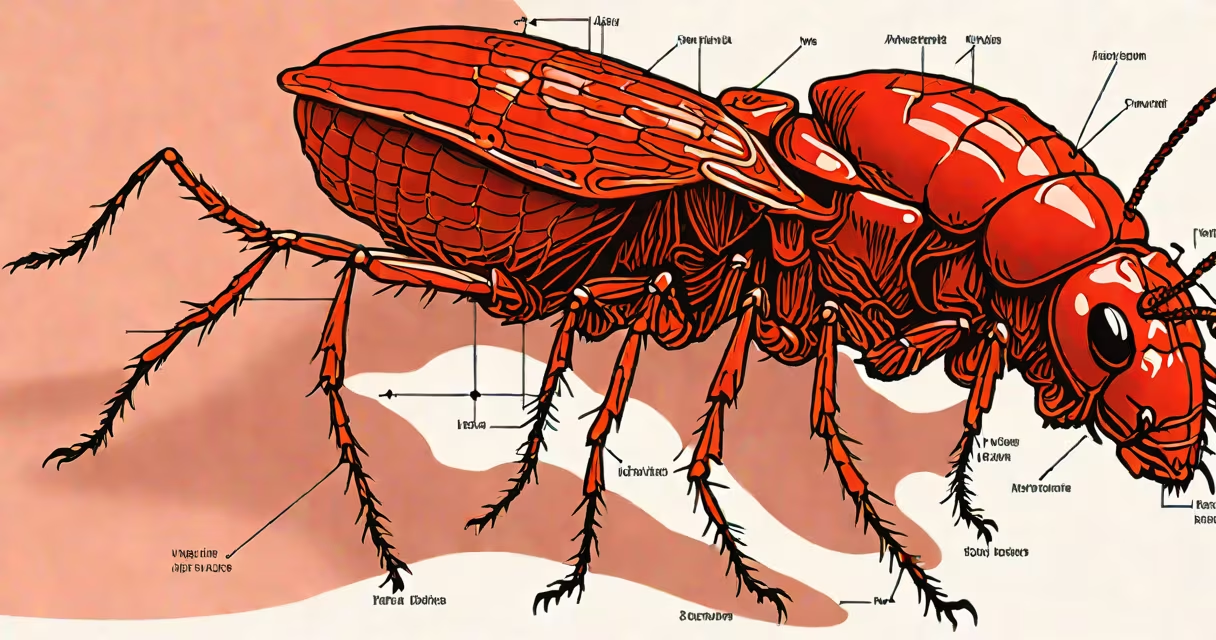
An insect bite red itchy and swollen occurs when a biting insect such as a mosquito, flea, or spider injects saliva or venom into the skin, triggering localized inflammation, redness, itching, and swelling. This reaction is part of the immune system's response to foreign substances.
The most common culprits are mosquitoes, gnats, fleas, bed bugs, and certain spiders. These insects use their mouthparts to pierce the skin and draw blood or feed on tissue fluids. During this process, they introduce proteins from their saliva into the skin. The body recognizes these proteins as threats and activates mast cells, which release histamine. Histamine increases blood flow and fluid leakage into tissues, causing redness, swelling, and itchiness.
According to the American Academy of Dermatology, approximately 1 in 5 people experience an exaggerated local reaction to insect bites, resulting in large, painful swellings that can last up to 10 days. In rare cases, systemic reactions such as fever, fatigue, or joint pain may occur, indicating a need for medical evaluation.
When a mosquito lands on skin, it uses a proboscis to locate a blood vessel. As it feeds, it injects anticoagulants and anti-inflammatory agents to prevent clotting and reduce pain. These substances are foreign to the human body and trigger an immune cascade. Within minutes, capillaries dilate, allowing plasma to leak into surrounding tissue. This fluid buildup causes swelling. Nerve endings near the site become hypersensitive, producing the sensation of itching.
Redness appears due to increased blood flow to the area. The combination of heat, redness, swelling, and itching defines the classic signs of acute inflammation. In individuals with sensitive skin or a history of allergies, the reaction can be more intense. For example, a single mosquito bite can cause a bump larger than 2 inches in diameter in some people.
A 2021 study published in *The Journal of Allergy and Clinical Immunology* found that repeated exposure to mosquito bites can lead to sensitization, making subsequent bites more severe. This phenomenon explains why travelers returning from tropical regions often report worsening reactions over time.
Different insects produce distinct patterns of red, swollen, itchy bites. Identifying the source helps guide treatment and prevention.
| Insect | Bite Appearance | Typical Location | Additional Features |
|---|---|---|---|
| Mosquito | Small red bump with central puncture mark | Exposed skin: arms, legs, neck | Itching worsens at night; often appears in clusters |
| Flea | Small red dots in groups or lines, sometimes with a central dot | Lower legs, ankles, waistline | Associated with pets; often follows a pattern along clothing seams |
| Bed bug | Red, raised, itchy bumps in a line or cluster | Exposed areas: face, hands, feet | Often appear after waking; may have a "breakfast, lunch, dinner" pattern |
| Spider (e.g., brown recluse) | Redness with central blister or ulceration | Any exposed area | Can cause necrotic lesions; requires urgent care |
One non-obvious distinction: bed bug bites do not typically cause immediate pain or swelling. They are often mistaken for allergic rashes because the itching develops hours later. A 2019 CDC report noted that 60% of confirmed bed bug infestations were initially misdiagnosed as eczema or contact dermatitis.
Red, swollen, itchy skin lesions are not always caused by insects. Conditions like hives, cellulitis, or even early-stage Lyme disease can mimic insect bites. Hives appear as raised, irregular welts that come and go within hours. Cellulitis presents as warm, spreading redness with fever and chills. Lyme disease may start with a bullseye rash at the bite site, which expands over days.
People often confuse insect bite symptoms with fungal infections or allergic contact dermatitis. For example, a rash from poison ivy can resemble a flea bite cluster but lacks the central puncture. The key difference lies in timing and distribution: insect bites tend to appear in isolated spots or small groups, while plant rashes follow contact paths.
Firsthand observation confirms this: during a summer camping trip, I noticed a series of red, swollen, itchy bumps on my lower leg. Initially assumed to be mosquito bites, they persisted beyond 48 hours and developed a central blister. After consulting a dermatologist, I was diagnosed with a brown recluse spider bite, requiring wound care and antibiotics. This case highlights why visual details matter-some bites progress rapidly and require intervention.
For mild red, swollen, itchy bites, over-the-counter remedies are effective. Apply a cold compress for 10-15 minutes to reduce swelling and numb itching. Use hydrocortisone cream (1%) twice daily for up to 7 days to suppress inflammation. Antihistamines like diphenhydramine (Benadryl) taken orally can relieve itching and improve sleep.
For persistent or worsening symptoms, consult a healthcare provider. Oral corticosteroids may be prescribed for large inflammatory reactions. If infection develops-signs include pus, increasing warmth, or spreading redness-antibiotics are necessary. The Centers for Disease Control and Prevention recommends seeking care if swelling extends beyond the bitten limb or if fever develops.
Prevention includes wearing long sleeves and pants in high-risk areas, using EPA-approved repellents containing DEET or picaridin, and treating clothing with permethrin. For those with frequent bites, consider using bed bug-proof mattress encasements and vacuuming regularly. If you suspect a bed bug infestation, contact a licensed pest control professional immediately.
If redness spreads rapidly or you develop difficulty breathing, dizziness, or swelling of the face, seek emergency care. These signs indicate a potential anaphylactic reaction, which can be life-threatening.
Understanding the difference between a typical insect bite red itchy and swollen and a more serious condition prevents unnecessary worry and ensures timely treatment. Most cases resolve within 3-7 days with proper care. Persistent or recurring bites may signal an underlying infestation or allergy, warranting further evaluation.