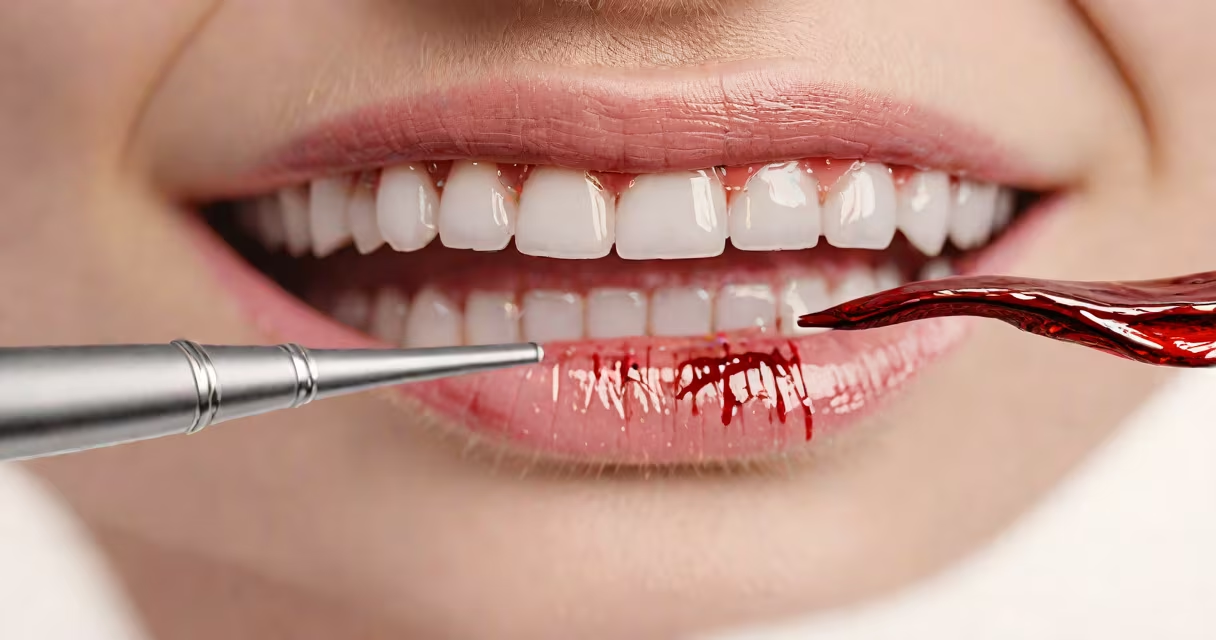
Bleeding gums occur when the soft tissue lining the mouth becomes inflamed and fragile, often due to plaque buildup, hormonal changes, or nutrient deficiencies. This condition is rarely harmless and typically signals early-stage gum disease or another underlying issue.
Healthy gums are firm, pink, and don't bleed during brushing or flossing. When they do, it's a sign of irritation or infection. The most common cause is gingivitis-the earliest stage of periodontal disease-triggered by bacterial plaque accumulating along the gumline. Without treatment, gingivitis can progress to periodontitis, which damages the bone supporting teeth and may lead to tooth loss.
According to the American Dental Association (ADA), nearly half of adults aged 30 and older have some form of gum disease. The Centers for Disease Control and Prevention (CDC) reports that 47% of U.S. adults have moderate to severe periodontitis. These numbers show that gum bleeding is not rare-it's a widespread warning sign often ignored until symptoms worsen.
Gum bleeding results from inflammation caused by bacterial toxins in plaque. When plaque isn't removed daily through brushing and flossing, it hardens into tartar, which cannot be removed by home care. Tartar irritates the gums, causing them to swell, turn red, and bleed easily-even with light pressure.
The process begins when bacteria in plaque trigger an immune response. White blood cells rush to the area, releasing enzymes meant to fight infection. But these enzymes also damage surrounding gum tissue, leading to recession and bleeding. Over time, this cycle weakens the attachment between gums and teeth, creating pockets where more bacteria can accumulate.
A 2021 study published in the Journal of Clinical Periodontology found that individuals with untreated gingivitis had a 3.6 times higher risk of developing periodontitis within five years compared to those who received early intervention. Early detection and removal of plaque can reverse gingivitis before irreversible damage occurs.
While poor oral hygiene is the top contributor, several other factors can cause or worsen gum bleeding:
One overlooked factor is toothbrush hardness. A 2019 study in the British Dental Journal showed that using a medium- or hard-bristled toothbrush increased gum recession and bleeding by 27% compared to soft-bristled brushes. The American Dental Association recommends soft-bristled brushes to avoid damaging delicate gum tissue.
Bleeding that persists beyond a week of improved brushing and flossing warrants evaluation by a dental professional. So does bleeding accompanied by pain, bad breath, receding gums, or loose teeth. These indicate progression beyond gingivitis into periodontitis.
For example, a 34-year-old woman reported consistent gum bleeding despite twice-daily brushing. She used a hard-bristled brush and flossed infrequently. After switching to a soft brush and adding daily flossing, her bleeding stopped within seven days. However, she noticed persistent redness and slight swelling near her molars. A dental exam revealed early periodontitis, confirmed by probing depths of 4 mm in multiple sites-above the healthy threshold of 3 mm.
Another patient, a 28-year-old man with uncontrolled type 2 diabetes, presented with spontaneous gum bleeding and halitosis. His HbA1c was 9.2%, indicating poor glucose control. He was referred to both a dentist and endocrinologist. After six weeks of improved glycemic management and professional cleaning, his gum bleeding resolved.
Bleeding gums are not a normal part of aging. Many people assume that if their gums bleed occasionally, it's just a sign of brushing too hard. That's incorrect. Brushing too hard can cause trauma, but it doesn't explain recurring bleeding across multiple teeth.
Some believe rinsing with mouthwash eliminates bleeding. While antiseptic mouthwashes reduce bacteria temporarily, they don't remove plaque or treat the root cause. Overuse can dry out the mouth and worsen gum irritation. The ADA warns against relying solely on mouthwash for gum health.
Also, bleeding gums are not always linked to poor hygiene. A person who brushes regularly may still develop gingivitis due to systemic issues like stress, smoking, or genetic predisposition. A 2020 review in the Journal of Oral Microbiology noted that up to 30% of patients with gingivitis show no visible plaque, suggesting that host immune response plays a major role.
If bleeding continues after two weeks of consistent oral care-brushing twice daily with a soft brush, flossing daily, and avoiding hard foods-schedule a dental visit. Early diagnosis prevents irreversible damage.
People with braces often report bleeding when brushing. The brackets and wires trap food and plaque, making thorough cleaning difficult. Gums over braces can swell and bleed if plaque accumulates around orthodontic hardware. Specialized tools like interdental brushes and water flossers are essential for maintaining gum health during orthodontic treatment.
Those whose gums hurt and bleed when brushing should stop using harsh brushing techniques. Aggressive scrubbing damages the enamel and wears down gum tissue. Instead, use gentle circular motions with a soft brush. If pain persists, consult a dentist to rule out deeper issues like recession or exposed roots.
Reversing mild gum bleeding requires consistency. Brush for two minutes twice daily using fluoride toothpaste. Floss at least once a day, preferably before bed. Use a timer or app to ensure adequate brushing duration.
Replace your toothbrush every three months or sooner if bristles fray. Use a toothbrush with a small head to reach back molars. Consider electric toothbrushes-they reduce bleeding by 20% compared to manual brushes, according to a 2022 Cochrane review.
Finally, schedule routine dental exams every six months. A professional cleaning removes tartar and identifies early signs of disease. Most dentists recommend scaling and root planing for advanced cases, a procedure that cleans below the gumline and promotes reattachment of tissues.
Bleeding gums are not a minor issue. They signal a breakdown in oral defense mechanisms. Addressing the cause early prevents long-term damage and supports health. Persistent bleeding demands attention-not dismissal.