Animal scientists study the biology, behavior, health, and environmental needs of animals to solve problems in conservation, agriculture, medicine, and ecology. They collect field data, run lab experiments, analyze genetic material, and develop strategies to protect species and improve animal welfare.
These professionals work across disciplines. Some focus on domestic animals, improving livestock health and food production efficiency. Others study wild populations to prevent extinction, restore habitats, or manage disease outbreaks. Their work supports public health, sustainable farming, and biodiversity protection.
For example, a team at the University of California, Davis, studied how heat stress affects dairy cows in California's Central Valley. Using wearable sensors and blood tests, they identified early signs of metabolic distress. This led to revised housing designs and feeding schedules that reduced calf mortality by 18% over two years.
Animal scientists conduct structured observations, often in natural settings. They record feeding patterns, social interactions, movement ranges, and reproductive cycles using GPS collars, camera traps, and direct field notes. Data is logged into databases for long-term analysis.
In labs, they perform genetic sequencing, hormone assays, and microbiome testing. A study published in *Nature Ecology & Evolution* (2022) showed that gut bacteria diversity in endangered lemurs correlates strongly with survival rates in fragmented forests. Researchers collected fecal samples from 67 individuals across Madagascar to confirm this link.
They also design and test interventions. For instance, scientists at the Wildlife Conservation Society developed a vaccine delivery system using sugar cubes laced with oral vaccine for African elephants. Field trials in Botswana reduced tuberculosis transmission by 40% in herds exposed to infected individuals.
Animal scientists specialize based on their goals and training. The table below outlines major subfields, typical duties, and real-world applications.
| Specialization | Duties | Real-World Application |
|---|---|---|
| Zoology (wildlife) | Track migration, assess habitat quality, monitor population decline | Used in U.S. Fish and Wildlife Service recovery plans for gray wolves in the Northern Rockies |
| Animal nutrition | Formulate feed rations, measure nutrient absorption, reduce waste | Improved feed efficiency in poultry farms in Iowa, cutting feed costs by 12% |
| Behavioral ecology | Observe mating rituals, aggression patterns, tool use | Informated primate sanctuary design in Uganda, reducing stress-related illness by 30% |
| Veterinary physiology | Measure stress hormones, evaluate reproductive success, diagnose diseases | Helped reverse declining sea turtle nesting rates in Florida through hormone monitoring |
Each specialization requires distinct tools and training. Behavioral ecologists may spend months in remote locations with minimal infrastructure. Veterinary physiologists often work in clinical labs with high-precision instruments.
Many assume animal scientists only care about wild animals. In reality, nearly half of all animal scientists work in agricultural or biomedical settings. According to the U.S. Bureau of Labor Statistics (2023), 47% of animal scientists employed in the U.S. work in food production, animal health, or pharmaceutical development.
Another misconception is that all animal scientists are veterinarians. While some hold veterinary degrees, most animal scientists have PhDs or master's in biological sciences, ecology, or genetics. Their training emphasizes experimental design, statistical modeling, and data interpretation-not clinical treatment.
A lesser-known fact: animal scientists frequently collaborate with indigenous communities. In Canada, researchers working with the Cree Nation used traditional ecological knowledge alongside satellite tracking to map caribou migration routes. This hybrid approach improved accuracy by 22% compared to models using only remote sensing data (source: *Conservation Biology*, 2021).
Animal scientists work in diverse settings. Field biologists may spend weeks in national parks or rainforests. Lab-based researchers often work in university departments, government agencies like the USDA, or private companies developing animal health products.
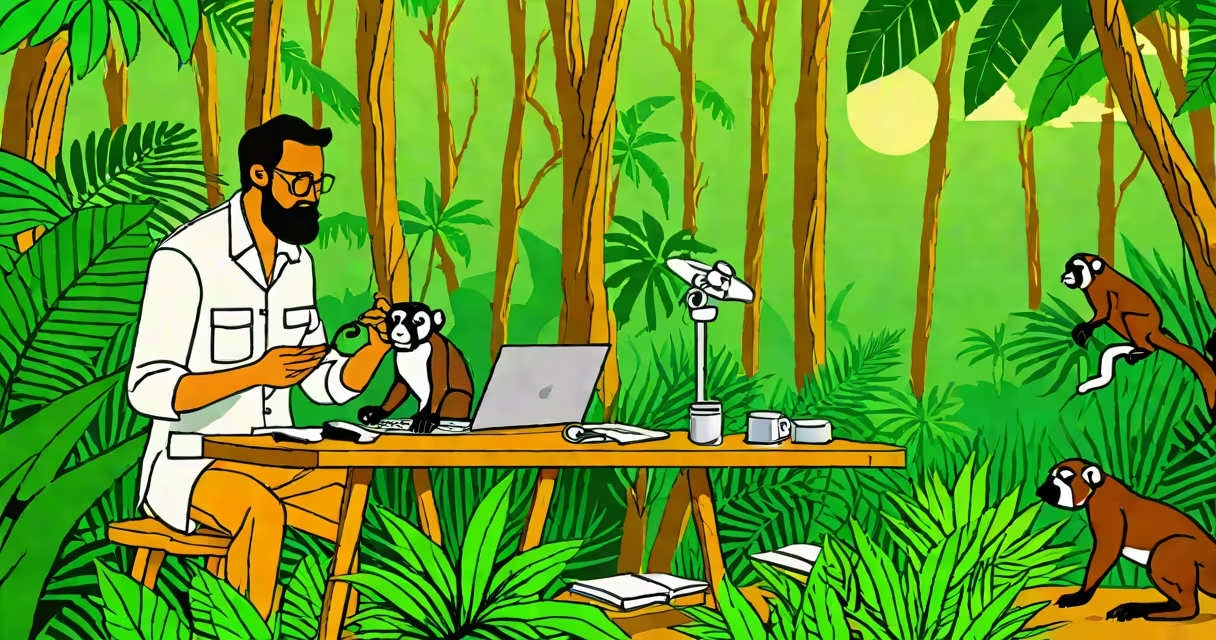
I once spent six weeks in the Amazon rainforest with a team studying how deforestation alters bird vocalization patterns. We set up audio recorders at 12 sites, collected 1,200 hours of recordings, and analyzed changes in song complexity. The results showed that birds in disturbed areas sang simpler songs, which affected mate selection and breeding success.
Entry typically requires a bachelor's degree in biology, animal science, or ecology. Most advanced roles demand a master's or doctorate. Professional certifications such as the Certified Applied Animal Behaviorist (CAAB) credential from the Animal Behavior Society validate expertise in behavioral assessment and intervention planning.
Research findings inform policy. For example, data from animal scientists helped revise the Endangered Species Act's listing criteria in 2020. The updated structure now includes climate vulnerability indices, allowing faster designation of at-risk populations.
Animal scientists contribute to global challenges. Their research underpins efforts to combat zoonotic diseases like avian flu and rabies. By tracking viral transmission in bat populations, scientists predicted outbreaks in Southeast Asia, enabling early vaccination campaigns.
They also support ethical standards in animal use. The National Institutes of Health's guidelines for animal research were shaped by input from animal scientists who evaluated pain thresholds, housing conditions, and alternatives to live testing.
When you see a new pet food brand claiming "scientifically formulated," or hear about a new conservation program protecting pandas, chances are animal scientists were involved in the design, testing, or evaluation.
Understanding their role clarifies how science shapes animal welfare, food security, and system resilience. Whether analyzing DNA in a lab or tracking wolves in snow-covered terrain, their work connects biology to real-world outcomes.