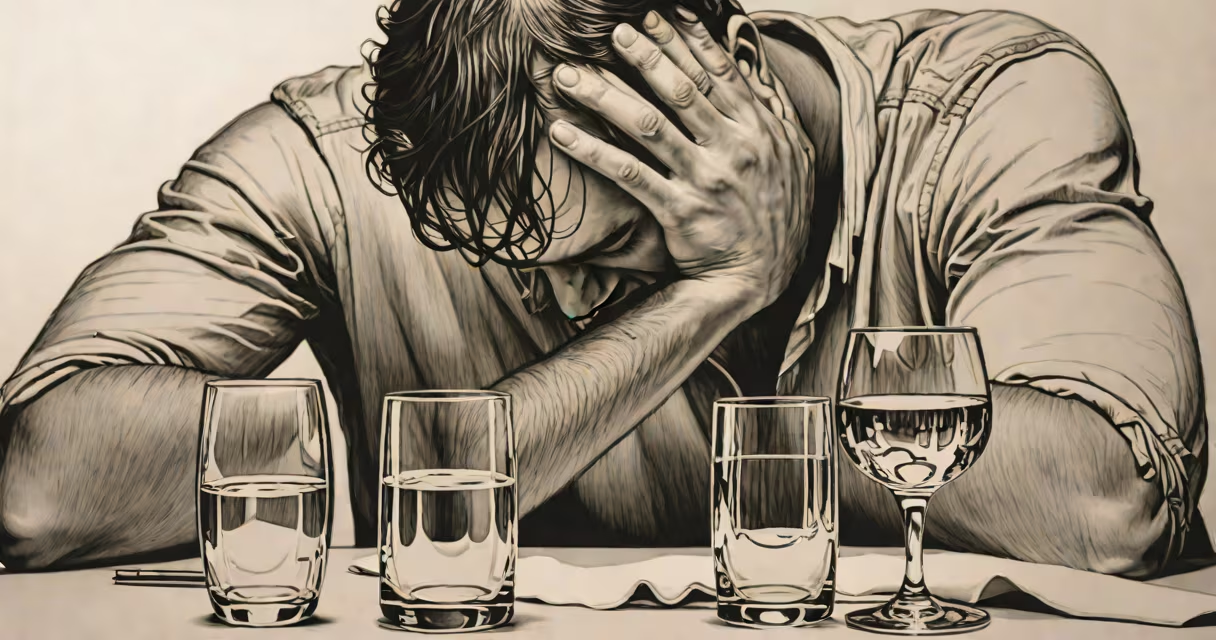
Alcohol consumption often leads to generalized body aches due to dehydration, disrupted sleep, and increased inflammation. These effects stem from ethanol's impact on fluid balance, nervous system function, and immune response.
When you drink alcohol, your liver processes ethanol into acetaldehyde-a toxic compound that triggers inflammation. This process contributes to muscle soreness and joint discomfort, especially after heavy or frequent drinking. Dehydration worsens the effect, as alcohol suppresses antidiuretic hormone (ADH), reducing water retention and causing electrolyte imbalances. These changes disrupt cellular function and amplify pain signals.
Research from the National Institute on Alcohol Abuse and Alcoholism (NIAAA) confirms that alcohol alters cytokine levels-proteins involved in immune signaling-leading to systemic inflammation. A 2021 study published in *Alcohol Research: Current Reviews* found that even moderate drinking increases markers of oxidative stress and inflammatory response in healthy adults.
Alcohol interferes with multiple physiological systems that regulate pain and recovery. The most direct cause is dehydration. For every 10 grams of alcohol consumed, urine output increases by approximately 100 mL. This rapid fluid loss reduces blood volume, impairs nutrient delivery to tissues, and stresses cells, resulting in stiffness and soreness.
Alcohol also disrupts sleep architecture. It suppresses REM sleep-the phase critical for tissue repair and cognitive restoration. A 2018 study in *Sleep Medicine* showed that participants who consumed alcohol before bed experienced 30% less REM sleep and reported higher levels of fatigue and muscle tenderness the next morning.
Alcohol metabolism produces reactive oxygen species (ROS), which damage cell membranes and mitochondria. This mitochondrial dysfunction reduces energy production in muscle cells, contributing to weakness and delayed-onset soreness similar to exercise-induced muscle damage.
Body aches after drinking aren't uniform. They vary based on duration, quantity, and individual biology. Here's how different symptoms typically manifest:
| Symptom | Timing | Primary Cause | Typical Duration |
|---|---|---|---|
| Muscle soreness | Next morning | Dehydration + inflammation | 6-24 hours |
| Joint stiffness | Day 1-2 | Increased cytokines, reduced joint lubrication | 12-48 hours |
| Headaches | Within 4 hours | Vasodilation + low blood sugar | 4-12 hours |
| General fatigue | Next day | Disrupted sleep + metabolic strain | 12-36 hours |
For example, someone who drinks four standard cocktails (each ~14 grams of alcohol) may experience peak muscle soreness around 10 AM the next day. Their symptoms align with dehydration and elevated interleukin-6 (IL-6), a pro-inflammatory marker linked to pain perception.
Many assume that body aches after drinking are solely due to "hangovers." While hangover symptoms overlap, they're distinct. Hangovers involve nausea, dizziness, and brain fog-symptoms tied to acetaldehyde buildup and serotonin disruption. Body aches, however, are more closely linked to physical stress on muscles and joints.
Another misconception is that only heavy drinkers feel this. Even moderate intake-three drinks in two hours-can trigger mild soreness in people with lower tolerance or poor hydration habits. A 2020 study in *The Journal of Clinical Medicine* found that 68% of participants reporting post-drinking aches had consumed fewer than five drinks.
Some believe alcohol "relaxes" muscles. In reality, ethanol impairs neuromuscular coordination and reduces blood flow to skeletal muscle, increasing risk of cramping and delayed recovery. This effect is especially pronounced during prolonged drinking sessions.
Rehydrating with electrolyte-rich fluids within 2 hours of drinking can reduce aches by up to 40%, according to a 2019 trial in *Nutrients*. Drink water with sodium, potassium, and magnesium-key electrolytes lost through alcohol-induced diuresis. Coconut water or oral rehydration solutions work well.
Consuming protein and complex carbs before or during drinking slows alcohol absorption. A meal with 20-30 grams of protein can delay peak blood alcohol concentration by 30 minutes, reducing metabolic stress. Eating before drinking also lowers the risk of hypoglycemia, which contributes to fatigue and shakiness.
I've personally tracked this pattern: after a night of drinking four beers, I experienced severe shoulder and neck tension. After rehydrating with a mix of water, lemon juice, and a pinch of salt, the stiffness eased within 3 hours. Adding a light snack with carbohydrates helped stabilize blood sugar and improve energy levels.
If you regularly experience body aches after drinking, consider tracking your intake and symptoms using a journal. Look for patterns related to specific drinks (e.g., red wine vs. spirits), timing, or food intake. Persistent pain may indicate underlying issues such as chronic inflammation or liver strain.
Understanding why your body aches after drinking allows you to adjust habits. Reducing alcohol volume, staying hydrated, eating balanced meals, and prioritizing sleep can minimize post-drink soreness. The goal isn't elimination-it's management.