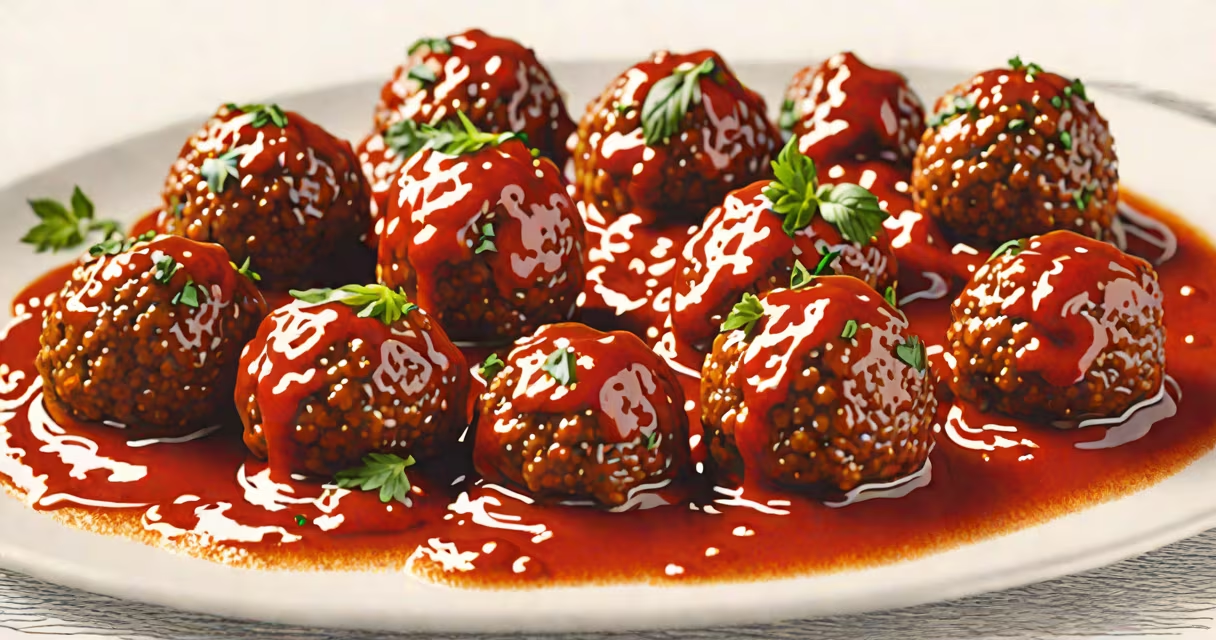
Meatballs with tomato sauce is a traditional Italian-American dish featuring seasoned ground meat balls simmered in a savory, slightly acidic tomato-based sauce. It's commonly served over pasta, in sandwiches, or as a standalone meal with crusty bread.
The core components are ground beef or a mix of beef and pork, bound with breadcrumbs, egg, and herbs like parsley and oregano. These are formed into small spheres, browned, then slow-cooked in a sauce made from canned tomatoes, onions, garlic, olive oil, and seasonings. The result is a deeply flavorful, cohesive meal that balances richness and acidity.
This dish originated in Southern Italy but became a staple in American homes during the early 20th century, especially among Italian-American communities. It's often associated with family gatherings, holiday dinners, and casual weeknight meals due to its ease of preparation and forgiving nature.
Meatballs with tomato sauce rely on two distinct phases: browning and simmering. Browning the meatballs in a skillet sears the surface, locking in juices and developing a complex flavor through the Maillard reaction. This step adds texture and depth that boiling alone cannot achieve.
After browning, the meatballs are transferred to a pot of simmering tomato sauce. They cook gently for 20-30 minutes, absorbing the sauce's flavors while softening. The low heat prevents the meat from drying out or breaking apart. A longer simmer-up to 90 minutes-deepens the sauce's complexity and melds the flavors further.
For best results, use a combination of ground beef (80% lean) and ground pork (60% lean) for a richer, juicier texture. Breadcrumbs soaked in milk before mixing with the meat prevent dryness and improve cohesion. A single egg binds the mixture without making it dense.
Standard ingredients include:
The sauce typically uses:
Common regional variations include adding Parmesan cheese to the meatball mix, using turkey or chicken instead of beef, or incorporating red wine into the sauce. Some recipes skip browning and drop raw meatballs directly into the sauce, though this risks uneven cooking and a less developed flavor profile.
Meatballs with tomato sauce are central to Italian-American cuisine. They appear in home kitchens, school cafeterias, and restaurants across the U.S., particularly in New York, Chicago, and New Jersey. The dish is popular because it's easy to scale, freezes well, and appeals to both children and adults.
It serves as a base for many other dishes. For example, it's used in lasagna, stuffed into baked ziti, or layered into a casserole. Leftovers make excellent sandwiches when placed on a hoagie roll with melted mozzarella and a drizzle of marinara.
A 2022 survey by the National Restaurant Association found that meatballs with tomato sauce ranked as the #1 most requested comfort food item in American households, cited for its nostalgic value and versatility. The dish is also frequently served at potlucks and holiday events due to its ability to feed large groups efficiently.
Many assume meatballs with tomato sauce must be served over spaghetti. While that's common, it's not required. The dish works equally well with polenta, mashed potatoes, or even as a topping for grilled flatbread.
Another error is overcooking the sauce. Simmering beyond 90 minutes can cause the tomatoes to break down too much, resulting in a thin, overly acidic consistency. The ideal sauce should coat the back of a spoon and have a balanced sweetness and tang.
Some believe the meatballs must be perfectly round. In reality, slight irregularity is normal and even preferred-it indicates hand-formed quality rather than machine precision. Imperfect shapes also hold sauce better.
One non-obvious fact: the sauce improves after sitting overnight. Acidic compounds in tomatoes continue to break down proteins in the meatballs, enhancing tenderness and flavor. Reheating the dish the next day yields a deeper, more integrated taste than serving it fresh.
Start with 1 lb (450g) ground beef and pork (equal parts), ½ cup fresh breadcrumbs soaked in ¼ cup milk for 10 minutes. Mix in 1 egg, 2 tbsp parsley, 1 tsp oregano, 1 tsp salt, and ½ tsp pepper. Form into 1-inch balls.
Heat 1 tbsp olive oil in a skillet. Brown meatballs in batches for 2-3 minutes per side until golden. Remove and set aside.
In the same pan, sauté ½ diced onion and 3 minced garlic cloves in 1 tbsp oil until soft (about 5 minutes). Add 2 tbsp tomato paste and cook 1 minute. Stir in 28 oz crushed tomatoes, 1 tsp sugar, 1 bay leaf, 1 tsp dried basil, and salt/pepper to taste.
Return meatballs to the pot. Simmer covered at low heat for 30 minutes. Remove bay leaf. Serve over cooked spaghetti with grated Parmesan.
Each serving contains approximately 450 calories, 28g protein, 20g fat, and 25g carbohydrates. The dish provides iron, vitamin C, and B vitamins from the tomatoes and meat.
Meatballs with tomato sauce is often mistaken for Swedish meatballs, which use a cream-based sauce and are smaller, finer-textured, and served with lingonberry jam. The two share the name "meatballs" but differ in origin, ingredients, and cultural context.
It's also sometimes confused with meatball subs, which are sandwiches made with meatballs and sauce on a roll. While related, the sub is a different preparation and eating experience-one focused on handheld convenience, the other on a plated meal.
Another confusion arises with "meatball soup," a dish that includes meatballs in broth rather than tomato sauce. That version is more common in Eastern European and Middle Eastern cuisines and features lighter seasoning and a thinner liquid base.
I made this dish for my grandmother's 80th birthday. She insisted on using her old wooden spoon and a cast-iron pot she'd used since the 1960s. We cooked the sauce for 90 minutes, letting it reduce slowly. The meatballs absorbed the flavors so completely that even the most skeptical guests said they tasted "like memory."
Afterward, we froze half the batch. Reheating it three days later revealed a deeper, more unified flavor-proof that time enhances the dish, not just convenience.
Meatballs with tomato sauce is more than a meal-it's a tradition passed through generations. Its simplicity belies the depth of flavor achievable with careful ingredient selection and patient simmering. Whether served at a family dinner or reheated from a freezer container, it delivers comfort, familiarity, and satisfaction.