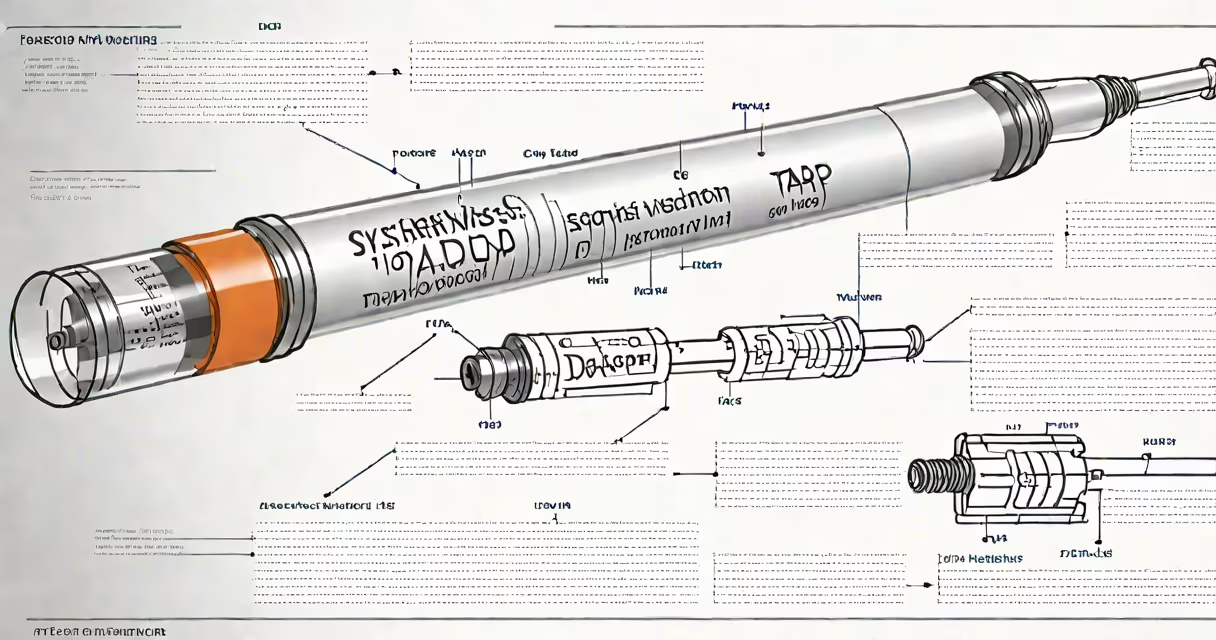
The tdap vaccine contains inactivated toxins from tetanus and diphtheria, along with acellular pertussis antigens. It prevents tetanus, diphtheria, and whooping cough through targeted immune stimulation.
Tetanus causes muscle stiffness and lockjaw from a toxin produced by Clostridium tetani bacteria. Diphtheria results in a thick membrane in the throat that can obstruct breathing, caused by Corynebacterium diphtheriae. Pertussis, or whooping cough, is a severe respiratory illness marked by prolonged coughing fits, especially dangerous in infants.
The tdap vaccine uses purified proteins from the three pathogens. It does not contain live or weakened organisms. This reduces risk while still triggering a protective immune response. The vaccine is administered as a single intramuscular injection.
The tdap vaccine includes three key components: tetanus toxoid, diphtheria toxoid, and acellular pertussis antigens. These are not the actual bacteria but purified fragments that train the immune system to recognize and fight the real pathogens.
Tetanus toxoid is derived from the toxin produced by Clostridium tetani. It is detoxified so it cannot cause disease but still prompts antibody production. Diphtheria toxoid undergoes the same process using the toxin from Corynebacterium diphtheriae.
Pertussis is represented by four purified proteins: pertussis toxin (PT), filamentous hemagglutinin (FHA), fimbriae (FIM), and pertactin (PRN). These are selected because they are critical for the bacteria's ability to attach and invade cells. Using only these proteins reduces side effects compared to older whole-cell pertussis vaccines.
| Disease | Antigen Type | Source |
|---|---|---|
| Tetanus | Toxoid | Detoxified Clostridium tetani toxin |
| Diphtheria | Toxoid | Detoxified Corynebacterium diphtheriae toxin |
| Pertussis | Acellular proteins | PT, FHA, FIM, PRN from Bordetella pertussis |
Each component is carefully dosed to ensure safety and efficacy. The CDC reports that the tdap vaccine is 80-90% effective against pertussis in adults and children under five.
The Centers for Disease Control and Prevention (CDC) recommends a single dose of tdap for all adults aged 19 and older, regardless of previous tetanus vaccination history. This is typically given as a booster every 10 years.
Adults who have not received tdap since turning 19 should get it as soon as possible. Pregnant individuals should receive a dose during each pregnancy, ideally between 27 and 36 weeks gestation. This provides passive immunity to newborns, who are most vulnerable to severe pertussis.
Healthcare workers, childcare providers, and anyone in close contact with infants under 12 months should also receive tdap. The goal is to reduce transmission to babies too young to be fully vaccinated.
Some people believe tdap is a live virus vaccine. It is not. The vaccine contains no living organisms. It uses inactivated toxins and purified proteins, making it safe for immunocompromised individuals and pregnant women.
Another misconception is that tdap replaces the Tdap booster for children. It does not. Children receive DTaP (diphtheria, tetanus, acellular pertussis) in a series of five doses between 2 months and 6 years old. Tdap is reserved for adolescents and adults.
A less known fact: the pertussis component in tdap is less reactive than the whole-cell version used in older vaccines. Studies show fewer febrile reactions and local swelling with acellular formulations. The FDA notes that adverse events are rare, with most being mild and temporary.
In 2022, a mother in Portland, Oregon, received her tdap booster during her third trimester. She had previously gotten the vaccine five years earlier. Her newborn developed a mild cold at two weeks old, but no signs of pertussis. The baby was protected through maternal antibodies transferred during pregnancy.
She later learned that her partner had not received tdap in over 15 years. After he got vaccinated, their household became safer for the infant. The CDC estimates that maternal vaccination reduces infant pertussis cases by 70%.
Most pharmacies, including Walgreens, offer tdap vaccinations without a prescription. The cost varies by location and insurance. Without insurance, prices range from $40 to $70. Many clinics provide the vaccine at no cost to insured patients.
Check availability online or call ahead. Some locations require appointments. The vaccine is stored at refrigerated temperatures and must be handled properly to maintain potency.
If you're unsure whether you've had tdap, consult your healthcare provider. You can also review your immunization records through state health portals or electronic medical systems.
Receiving the tdap vaccine is a straightforward step toward preventing life-threatening infections. Understanding what's included helps clarify its safety and necessity.