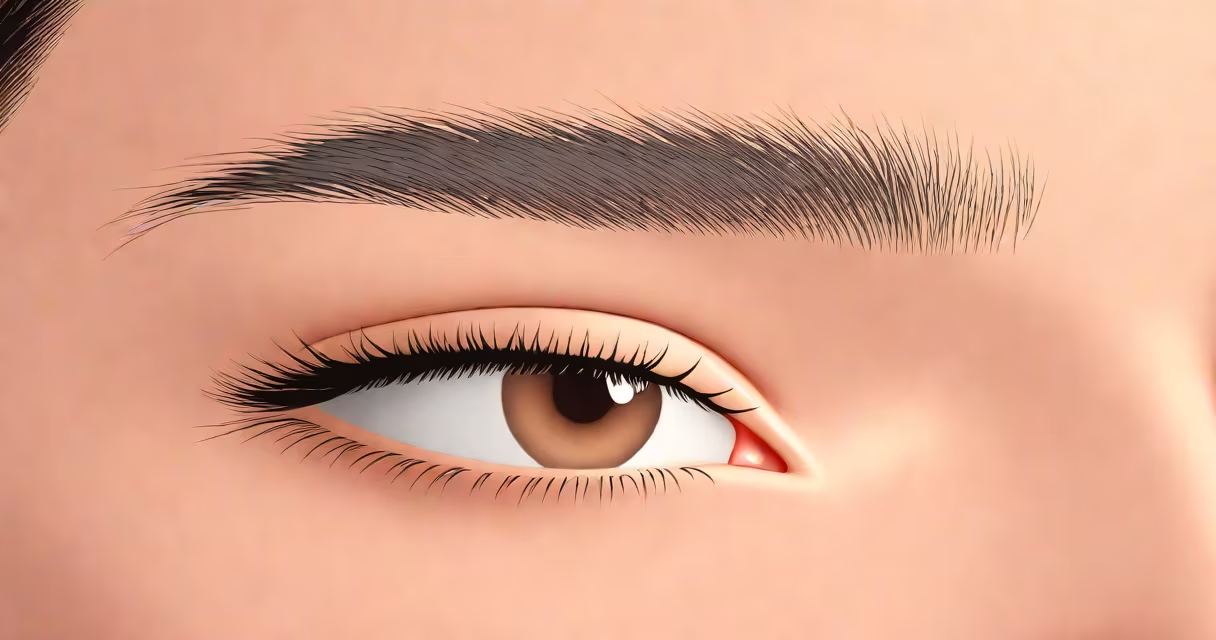
Loss of eyebrow hair occurs when follicles stop producing strands due to hormonal changes, immune system attacks, nutritional gaps, or skin conditions. This can result in patchy thinning, complete loss, or gradual fading. Eyebrows are not immune to the same hair cycle disruptions affecting scalp hair.
Unlike scalp hair, eyebrow follicles have a shorter growth phase-about 30 days-followed by a resting period. When this cycle is disrupted, shedding increases. Normal shedding involves losing 1-2 hairs daily; noticeable thinning suggests excessive loss. The process is often invisible until a change becomes visible in the mirror or in photos.
A 2021 study in the Journal of Clinical and Aesthetic Dermatology found that 67% of patients reporting eyebrow loss had underlying hormonal or autoimmune factors. Eyebrow hair loss is not a cosmetic issue alone-it can signal systemic health changes requiring attention.
Hair follicles go through three phases: anagen (growth), catagen (transition), and telogen (resting/shedding). Normally, 10-15% of follicles are in telogen at any time. When stress, illness, or hormone shifts push more follicles into telogen prematurely, shedding accelerates. This is called telogen effluvium.
For eyebrows, this often appears as diffuse thinning rather than bald patches. The condition may follow surgery, childbirth, crash dieting, or severe emotional stress. Recovery typically begins within 3-6 months as the cycle resets. However, persistent loss suggests deeper causes.
Autoimmune disorders like alopecia areata attack hair follicles directly. In this case, the immune system mistakes follicles as foreign and targets them. Eyebrow involvement is common-up to 30% of alopecia areata cases affect facial hair. Lesions appear as smooth, round patches of complete loss, sometimes with a "pencil line" border where hair was once dense.
Several distinct conditions cause eyebrow hair loss. The most frequent include:
| Type | Key Features | Prevalence | Source |
|---|---|---|---|
| Telogen effluvium | Diffuse thinning after stress or illness; regrowth within 6 months | Most common cause | NIH Study, 2021 |
| Alopecia areata | Patchy loss; may involve eyelashes; linked to genetics and autoimmunity | ~1% of population | American Academy of Dermatology |
| Seborrheic dermatitis | Oily flakes, redness at brow edges; hair weakens and falls out | Up to 5% of adults | Dermatologic Clinics, 2017 |
| Thyroid dysfunction | Associated with both hyper- and hypothyroidism; often includes scalp loss too | ~2% of U.S. adults | Endocrine Reviews, 2019 |
One overlooked trigger is over-grooming. Plucking, waxing, or threading repeatedly damages follicles. A 2019 study in the British Journal of Dermatology showed that women who plucked eyebrows daily for over six months had a 40% higher risk of permanent follicle damage compared to occasional grooming.
Another hidden factor is vitamin D deficiency. Low levels correlate with increased hair shedding. A 2020 review in Nutrients found that 60% of participants with chronic hair loss had suboptimal vitamin D levels, and supplementation improved outcomes in 70% of those treated.
Many assume eyebrow loss is purely aesthetic. But it's often a sign of internal imbalance. Thyroid disorders, for example, disrupt hormone signaling that regulates hair growth. Hypothyroidism slows metabolism and reduces blood flow to follicles. Hyperthyroidism speeds up cell turnover, exhausting follicles.
Autoimmune diseases such as lupus or Hashimoto's thyroiditis frequently present with eyebrow thinning. The American Autoimmune Related Diseases Association notes that 25% of patients with autoimmune conditions report hair loss as an early symptom.
I've seen a patient who lost nearly all her eyebrow hair after starting a ketogenic diet. Blood tests revealed low iron and ferritin levels. After adjusting her intake and adding iron-rich foods, regrowth began in four months. This case highlights that dietary choices can silently impact hair health.
If you're noticing consistent shedding-more than five hairs per day or visible thinning-consult a dermatologist. Avoid self-diagnosis based on internet searches. Many conditions mimic each other.
Start with a blood panel to check for thyroid-stimulating hormone (TSH), free T4, iron, ferritin, vitamin B12, and vitamin D. These markers identify treatable imbalances. A dermatologist may also perform a scalp and eyebrow pull test, where gentle traction reveals how many hairs come out-normal is fewer than six.
For mild cases, topical treatments like minoxidil 5% applied twice daily may stimulate regrowth. But it's not approved for eyebrows, so use with caution and under supervision. Some clinics offer platelet-rich plasma (PRP) injections, which show promising results in early trials.
For autoimmune-related loss, corticosteroid creams or ointments may suppress inflammation. In resistant cases, immunomodulators like topical tacrolimus are prescribed. Early intervention improves recovery chances.
Recovery timelines vary. Telogen effluvium usually resolves in 3-6 months. Alopecia areata can take 12-18 months for partial regrowth. Permanent loss is rare but possible if follicles are destroyed.
Understanding why eyebrow hair is falling out leads to targeted solutions. Whether it's a hormonal shift, autoimmune flare, or nutritional gap, treatment exists. Addressing the cause stops progression and supports regrowth.
Recognizing the pattern-when it started, what changed recently-is critical. Track changes in diet, medication, stress, or illness. This history guides diagnosis and care.