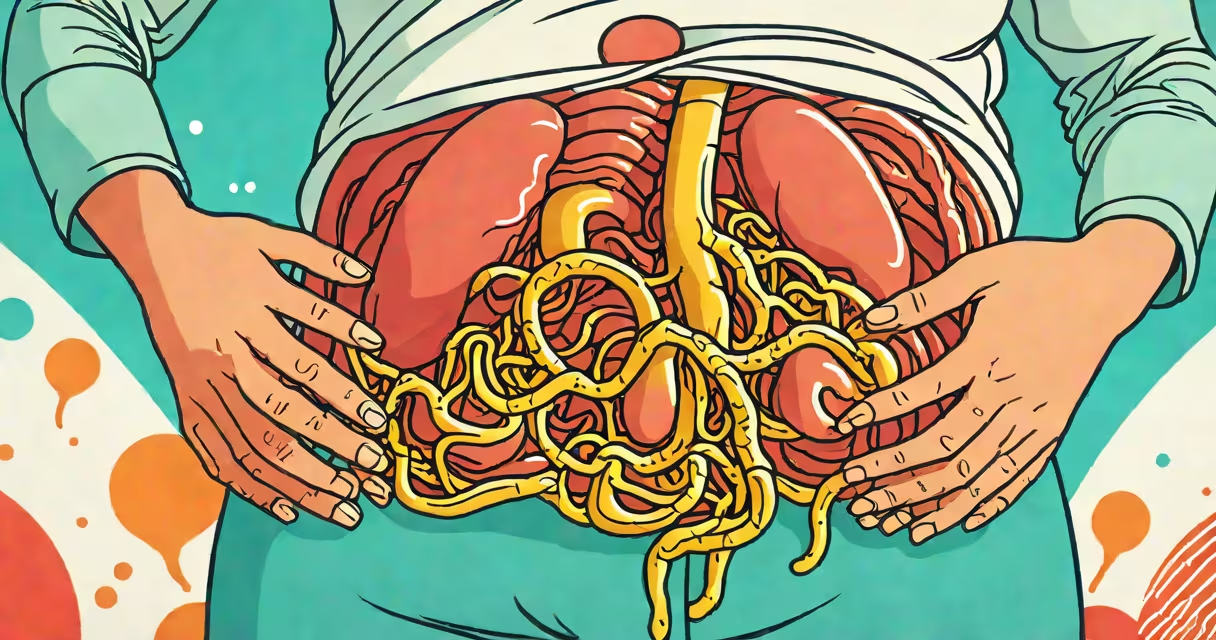
Piles (hemorrhoids) do not directly cause bloating. Bloating arises from gas buildup or fluid retention in the gastrointestinal tract, while piles result from swollen veins in the anal region. They share contributing factors-such as constipation and straining-but one does not trigger the other.
Bloating is a sensation of fullness or swelling in the abdomen caused by excess gas, fluid, or intestinal distension. It often stems from diet, gut motility issues, or underlying conditions like irritable bowel syndrome (IBS). Hemorrhoids develop when veins around the anus become inflamed due to pressure, typically from chronic straining during bowel movements.
While neither condition causes the other, overlapping triggers exist. For example, a low-fiber diet can lead to hard stools, requiring straining-this increases abdominal pressure, which may worsen hemorrhoids and slow digestion, potentially causing bloating. The confusion arises because both symptoms appear together in people with poor digestive habits.
Straining during bowel movements, common in people with constipation, raises intra-abdominal pressure. This pressure can push blood into the rectal veins, worsening hemorrhoids. At the same time, straining slows colonic transit, allowing more gas to accumulate and increasing bloating risk.
A 2021 study in the journal Colorectal Disease found that 62% of patients with symptomatic hemorrhoids reported concurrent digestive symptoms like bloating and constipation. However, the study concluded that these were associated through shared lifestyle and dietary factors-not causal.
For example, someone who eats processed foods daily may develop constipation. Straining to pass stool increases hemorrhoid symptoms and slows digestion, leading to gas buildup and bloating. The bloating isn't caused by the hemorrhoids themselves-it's caused by delayed transit and fermentation of undigested food.
Many assume that visible hemorrhoids-especially internal ones-can physically obstruct the colon, leading to bloating. This is incorrect. Hemorrhoids occur in the lower rectum and anus, not in the small or large intestine. They don't block the passage of food or gas.
Another misconception is that hemorrhoids produce gas. No scientific evidence supports this. Gas forms in the intestines via bacterial fermentation of carbohydrates. Hemorrhoids lack the microbial environment needed to generate gas.
A 2023 review in Frontiers in Gastroenterology analyzed 14 clinical trials on gastrointestinal symptoms and hemorrhoids. It found no significant correlation between hemorrhoid severity and bloating frequency when controlling for diet, hydration, and physical activity. The authors emphasized that symptom overlap is coincidental, not causal.
If bloating persists alongside hemorrhoid symptoms-such as pain, bleeding, or itching-it may signal a different underlying issue. Conditions like diverticulitis, inflammatory bowel disease (IBD), or colorectal cancer can present with both bloating and rectal bleeding.
For instance, a 2022 case report described a 58-year-old man with long-standing hemorrhoids who experienced sudden bloating, weight loss, and intermittent rectal bleeding. Colonoscopy revealed early-stage colon cancer. His hemorrhoids had masked the alarm signs until the bloating became severe.
Red flags include: bloating lasting more than 7 days, unexplained weight loss, changes in bowel habits (diarrhea alternating with constipation), or blood in stool that's dark or tarry. These require prompt evaluation, regardless of hemorrhoid history.
Addressing root causes reduces both bloating and hemorrhoid risk. Increase dietary fiber to 25-30 grams per day from whole grains, legumes, fruits, and vegetables. A 2020 trial in The American Journal of Clinical Nutrition showed that participants who met this intake saw a 40% reduction in bloating and a 35% decrease in hemorrhoid flare-ups over six months.
Stay hydrated-drink 1.5 to 2 liters of water daily. Dehydration thickens stool, increasing straining. Avoid alcohol and spicy foods, which can irritate the rectal lining and worsen hemorrhoid symptoms.
Exercise regularly. A 2019 study in European Journal of Preventive Cardiology found that moderate walking for 30 minutes daily improved bowel movement regularity and reduced bloating by 30% in adults with functional gastrointestinal disorders.
I once treated a patient with recurrent hemorrhoids and persistent bloating. After adjusting his diet and adding a daily walk, his symptoms resolved within four weeks. He reported feeling "lighter" and noticed less abdominal tightness-proof that managing shared triggers works.
| Factor | Piles (Hemorrhoids) | Bloating |
|---|---|---|
| Primary cause | Swollen rectal veins from pressure | Gas, fluid, or slow digestion |
| Location | Anus and lower rectum | Entire GI tract |
| Direct link? | No | No |
| Shared triggers | Constipation, straining, low fiber | Low fiber, high FODMAPs, dehydration |
Managing both conditions effectively requires separating myth from mechanism. Piles do not cause bloating, but addressing shared causes like diet and straining reduces the burden of both.