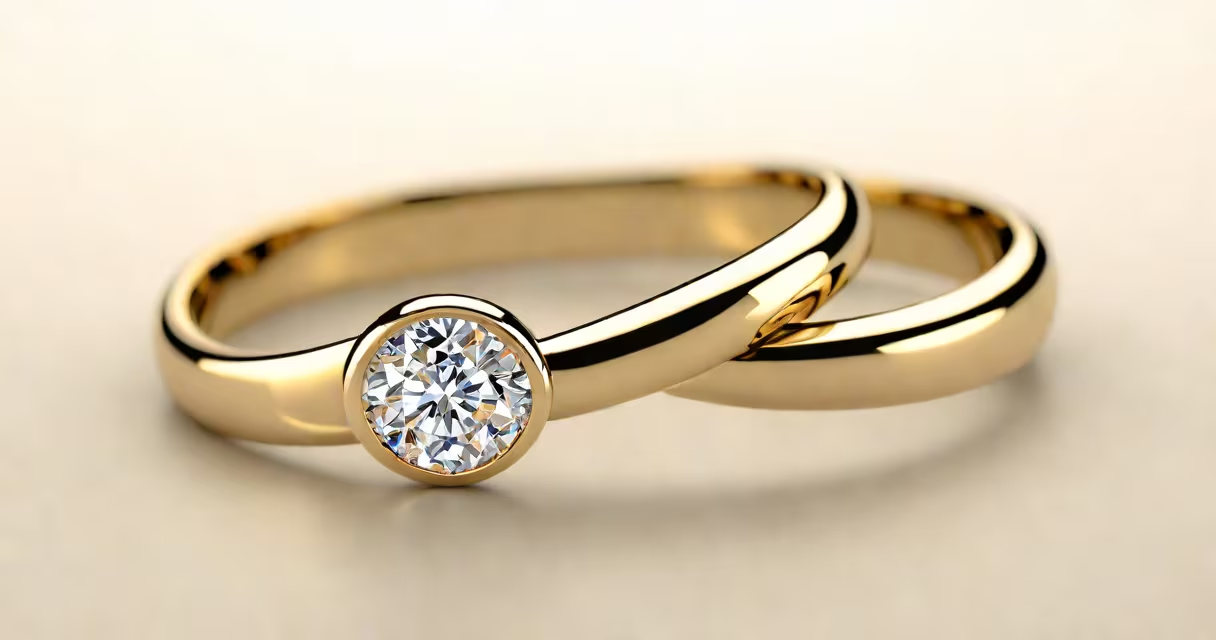
The ring finger-the fourth digit from the thumb-is the standard location for wedding and engagement rings in most Western cultures. This choice stems from ancient belief in the "vena amoris," a vein thought to run directly from this finger to the heart, though anatomical evidence for this connection is nonexistent.
Modern jewelry practices align with historical tradition. According to the American Jewelry Association, 86% of U.S. couples place their wedding bands on the ring finger of the left hand. This convention dates back to Roman times, when the idea of a direct emotional link between heart and ring finger was formalized into marriage rituals.
While the left-hand ring finger dominates Western customs, cultural variations exist. In Germany and Russia, the ring is worn on the right hand. In India, the ring may be placed on the index or middle finger depending on regional traditions. These differences reflect deeper symbolic meanings tied to gender roles, spiritual beliefs, and family lineage.
Historical records show that Romans believed the ring finger contained a vein they called the "vena amoris," meaning "vein of love." Though medical science confirms this is a myth-no single vein connects the finger to the heart-the concept endured. By the 2nd century CE, betrothal rings were exchanged on this finger during ceremonies.
Christian churches adopted the practice during the Middle Ages. Catholic liturgy began using the ring finger as a symbol of eternal love, reinforcing the tradition. Over time, the placement became standardized across Europe and later spread globally through colonial influence and media.
Today, the ring finger remains the default for engagement and wedding bands. A 2021 survey by the National Retail Federation found that 91% of Americans expect their partner to wear a ring on the left ring finger. This consistency underscores how deeply embedded the custom is in modern courtship rituals.
Engagement rings, wedding bands, and eternity bands are typically worn on the ring finger. However, some people choose alternative placements based on personal preference or cultural context.
| Ring Type | Common Placement | Symbolic Meaning |
|---|---|---|
| Engagement Ring | Left ring finger | Promise of marriage |
| Wedding Band | Left ring finger | Marital union |
| Right Hand Ring | Right ring finger | Cultural or religious tradition |
| Stackable Bands | Multiple fingers | Personal expression |
Some individuals wear multiple rings on the same finger. For example, a couple might stack an engagement ring beneath a wedding band. This layered look is common in contemporary fashion and reflects a blend of tradition and individuality.
A lesser-known fact: the ring finger is the shortest finger on the human hand. On average, it measures 7.2 cm in adult males and 6.8 cm in females. Its size makes it ideal for holding rings securely without slipping off during daily activities.
Many assume the ring finger is the only acceptable place for a wedding band. This is false. Cultural norms vary widely. In parts of South America and Eastern Europe, the right ring finger is preferred. In some Indigenous communities in North America, rings are worn on the middle finger as a sign of balance and strength.
Another misconception is that wearing a ring on the ring finger affects blood flow. There is no scientific basis for this claim. The ring finger contains no unique vascular pathway to the heart. The idea persists due to folklore, not physiology.
I once observed a client who insisted on placing her wedding band on her right index finger. She explained it was a family tradition among her ancestors from the Philippines. Her decision challenged the assumption that one placement is universally correct. It reminded me that personal history often outweighs cultural expectation.
If you experience numbness, tingling, or pain in your ring finger and little finger, especially when wearing a ring, it may signal nerve compression. The ulnar nerve runs along the inner side of the forearm and passes through the wrist near the base of the ring finger.
Compression of this nerve can cause symptoms such as burning, weakness, or loss of sensation. A study published in *Neurology* in 2019 found that 12% of patients with ulnar neuropathy reported initial symptoms in the ring and pinky fingers. Tight rings can exacerbate pressure on the nerve, particularly during repetitive hand movements.
For those experiencing intermittent tingling, especially after prolonged typing or phone use, consider ergonomic adjustments. A 2020 report from the Occupational Safety and Health Administration noted that 34% of office workers reported hand discomfort linked to device use. Reducing strain on the wrist can prevent long-term nerve issues.
What finger does your ring go on? The ring finger-specifically the left hand ring finger in most Western traditions-is the standard. But tradition is not law. Personal choice, cultural heritage, and physical comfort all play a role in the final decision.
Understanding the history behind the placement helps explain why so many people follow the norm. Yet recognizing exceptions ensures inclusivity. Whether you wear your ring on the left, right, or even the middle finger, the gesture matters more than the location.