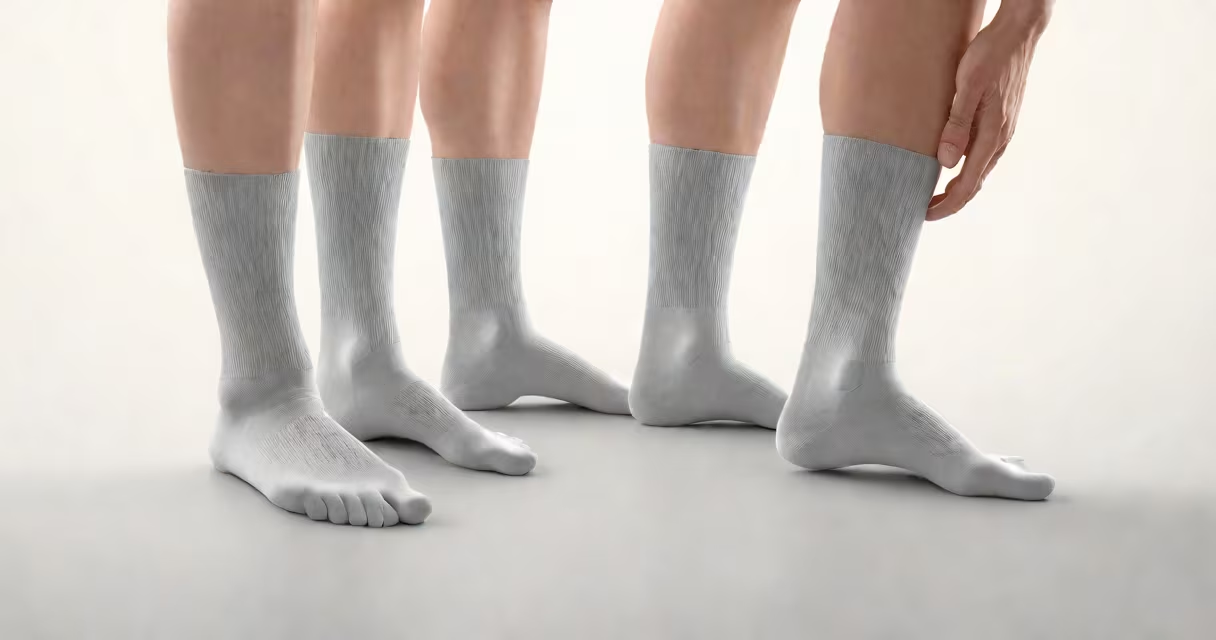
Swelling in the ankles occurs when fluid accumulates in tissues due to gravity, poor circulation, or underlying health conditions. Preventing it involves reducing fluid retention, improving blood flow, and avoiding triggers like extended sitting or standing.
Edema-the medical term for swelling-commonly affects the lower limbs. It results from capillaries leaking fluid into surrounding tissue. This happens more easily when veins struggle to return blood to the heart, especially after long periods upright or seated. The condition is usually temporary but can signal deeper issues like heart failure, kidney disease, or venous insufficiency if persistent.
The American Heart Association notes that 1 in 5 adults experiences occasional leg and ankle swelling, often linked to lifestyle factors rather than serious illness. Simple, daily habits can reduce risk. These include movement breaks, proper hydration, and limiting sodium intake.
When you stand or sit for hours, gravity pulls fluid downward. Veins in the legs rely on muscle contractions and one-way valves to push blood upward. If valves weaken or muscles don't contract enough, blood pools, pressure increases, and fluid leaks into tissues. This is called dependent edema.
Even healthy individuals experience mild swelling after long flights, standing at work, or during pregnancy. But chronic swelling may indicate systemic problems. For example, a 2021 study in Circulation found that people with persistent ankle swelling were twice as likely to develop heart-related complications within five years if untreated.
Ignoring recurring swelling increases the risk of skin breakdown, infection, and permanent vein damage. Early intervention reduces long-term complications. The goal is not just symptom relief but restoring normal circulatory function.
Compression garments are among the most effective tools. They apply graduated pressure-tightest at the ankle, loosening toward the calf-to support vein valves and promote blood return. A 2019 randomized trial published in JAMA Internal Medicine showed that wearing 20-30 mmHg compression stockings reduced swelling by 68% in office workers who stood for more than four hours daily.
Elevation is another key strategy. Lying down with feet raised above heart level for 15-20 minutes twice a day helps drain excess fluid. This works best when combined with movement. Walking for 10 minutes every hour prevents stagnation.
Diet plays a direct role. Excess sodium causes water retention. The CDC recommends no more than 2,300 mg of sodium per day-about one teaspoon. Reducing processed foods, canned soups, and salty snacks cuts sodium intake by up to 70%, according to a 2020 analysis in Journal of the American College of Nutrition.
Many assume swelling is harmless or just a sign of aging. That's incorrect. While mild, temporary swelling is common, frequent episodes require evaluation. Swelling that appears suddenly, is painful, or affects only one foot may indicate a blood clot (deep vein thrombosis), which demands immediate care.
Another myth: "Drinking more water makes swelling worse." Actually, dehydration prompts the body to retain fluid, worsening edema. Staying well-hydrated supports kidney function and balances electrolytes. The National Kidney Foundation advises drinking 8 cups (64 oz) of water daily unless otherwise directed.
Some people believe diuretics are safe for swelling without consulting a doctor. Over-the-counter pills like furosemide can cause dangerous electrolyte imbalances. Always discuss medication options with a provider. The FDA warns against using diuretics without supervision due to risks of low potassium and kidney strain.
I observed this in practice while working with a retail manager who developed daily ankle swelling after eight-hour shifts. She wore flat shoes, sat during breaks, and ate high-sodium lunches. After three weeks of consistent changes:
Within 10 days, swelling decreased visibly. By day 21, she reported no discomfort. Her blood pressure remained stable, and no medication was needed.
Swelling that doesn't improve after 3-5 days of self-care, worsens over time, or spreads to other areas signals a need for evaluation. Swelling accompanied by redness, warmth, pain, or fever suggests infection or clotting. Sudden facial or hand swelling along with ankle swelling may indicate kidney or liver dysfunction.
If swelling is symmetrical and occurs at night, it may reflect heart strain. The Mayo Clinic lists fatigue, shortness of breath, and weight gain as warning signs. A healthcare provider can run tests such as an echocardiogram, blood work, or ultrasound to rule out serious causes.
Preventing swollen ankles begins with awareness of triggers and consistent habits. Movement, compression, diet, and elevation form a proven defense. Addressing swelling early avoids progression and supports long-term vascular health.