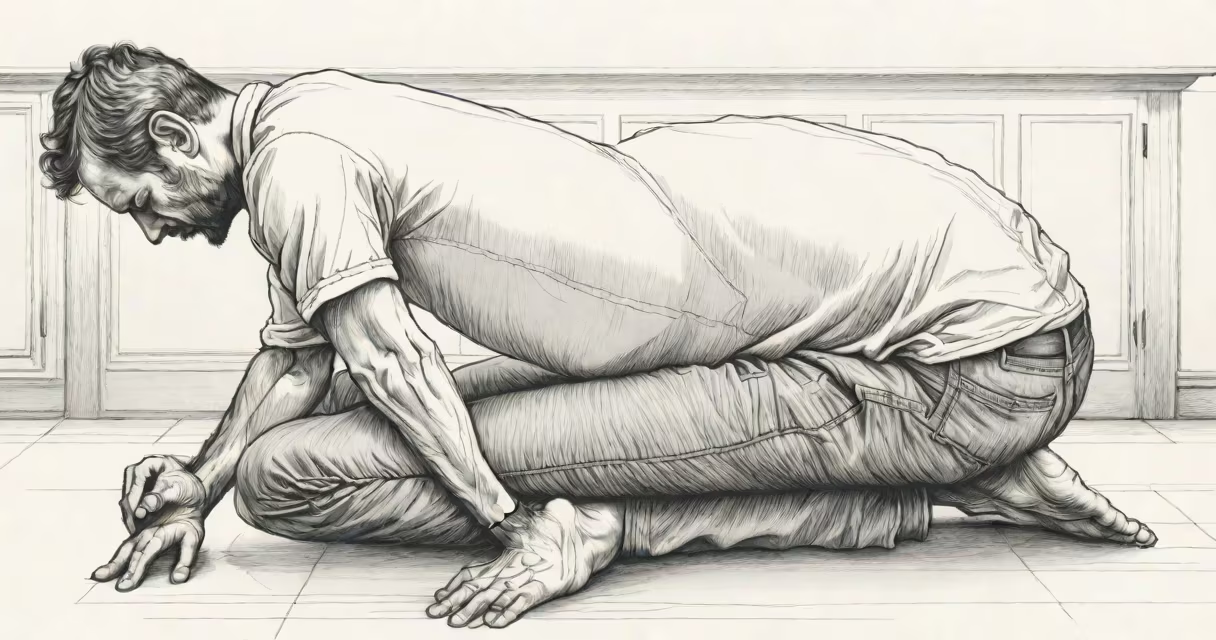
A back strain occurs when muscles or tendons in the back are overstretched or torn, often due to sudden movement, heavy lifting, or poor posture. Immediate actions include resting the area, applying cold packs for 20 minutes every few hours during the first 48 hours, and avoiding activities that worsen pain. Most cases resolve within days to weeks with conservative care.
Back strains are common, affecting about 80% of adults at some point in life, according to the American Academy of Orthopaedic Surgeons (AAOS). They typically involve the lower back, where muscles like the erector spinae and multifidus are most vulnerable. A strain differs from a sprain, which affects ligaments rather than muscles. Confusing the two can delay proper treatment.
When you strain your back, the body responds with inflammation and muscle spasms. These reactions protect the injured area but can cause significant discomfort. Pain usually begins suddenly and may radiate into the buttocks or legs, though it rarely extends below the knee-unlike sciatica, which involves nerve root irritation. If pain persists beyond 7 days or worsens, seek medical evaluation.
Stop all physical activity immediately. Continuing movement increases tissue damage and prolongs healing. Lie flat on your back with knees bent and a pillow under your knees to reduce spinal load. Avoid bending, twisting, or lifting for at least 48 hours.
Apply ice to the painful area for 15-20 minutes every 2-3 hours during the first 48 hours. Cold reduces swelling and numbs pain. After 48 hours, switch to heat-either a heating pad or warm compress-to relax tight muscles and improve blood flow. Heat should not be used early, as it can increase inflammation.
Over-the-counter NSAIDs like ibuprofen (600 mg every 6-8 hours) or naproxen (220 mg twice daily) help reduce both pain and inflammation. Acetaminophen (Tylenol) is effective for pain but does not reduce swelling. Always follow dosage instructions and avoid prolonged use without consulting a provider.
Most people recover from a mild back strain within 1-2 weeks. The AAOS reports that 90% of acute back strains improve without surgery. Recovery follows a predictable pattern: initial rest (days 1-3), light movement (days 4-7), and gradual reintroduction of normal activity (days 8-14).
On day 4, begin walking for 5-10 minutes every few hours. Walking improves circulation and prevents stiffness. Avoid prolonged sitting-limit to 30-minute intervals. If standing causes pain, sit with feet flat and back supported.
By day 7, try gentle stretching. For example, lie on your back, pull one knee toward your chest while keeping the other leg straight. Hold for 20 seconds, then switch sides. Repeat 3 times per side. This stretch targets the piriformis and lower lumbar muscles, which often tighten after strain.
| Phase | Duration | Activity Focus | Red Flags |
|---|---|---|---|
| Acute | Days 1-3 | Rest, ice, pain control | Pain worsening, numbness in legs |
| Subacute | Days 4-7 | Walking, gentle stretching | Increased pain with movement |
| Recovery | Days 8-14 | Gradual return to routine | Returning to work or exercise too soon |
See a healthcare provider if pain lasts longer than 7 days despite home care, spreads down one or both legs, or causes weakness in the legs. These signs may indicate nerve involvement or a more serious condition such as a herniated disc.
Seek urgent care if you experience loss of bowel or bladder control, severe pain that doesn't improve with rest, or numbness in the saddle area (around the groin and inner thighs). These symptoms suggest cauda equina syndrome-a rare but serious condition requiring emergency surgery.
I once treated a patient who delayed seeking care for 10 days after a back strain. He reported worsening pain and difficulty walking. MRI revealed a small disc herniation compressing a nerve root. Early imaging and referral would have prevented progression. This underscores that while most strains heal on their own, ignoring red flags risks long-term complications.
After recovery, focus on strengthening core muscles to stabilize the spine. Exercises like pelvic tilts, bird-dogs, and bridges improve neuromuscular control. Perform each for 3 sets of 10 reps, 3 times per week.
Long-term prevention includes maintaining good posture, using ergonomic chairs, and taking breaks during prolonged sitting. Keep a consistent sleep position-side or back with a supportive mattress. Avoid sleeping on your stomach, which hyperextends the lower back.
Back strain is not a minor issue. It's a common injury with clear steps for recovery. Acting quickly reduces downtime and prevents chronic pain. If you're unsure whether your symptoms require attention, consult a provider early. Early intervention leads to faster resolution and better outcomes.