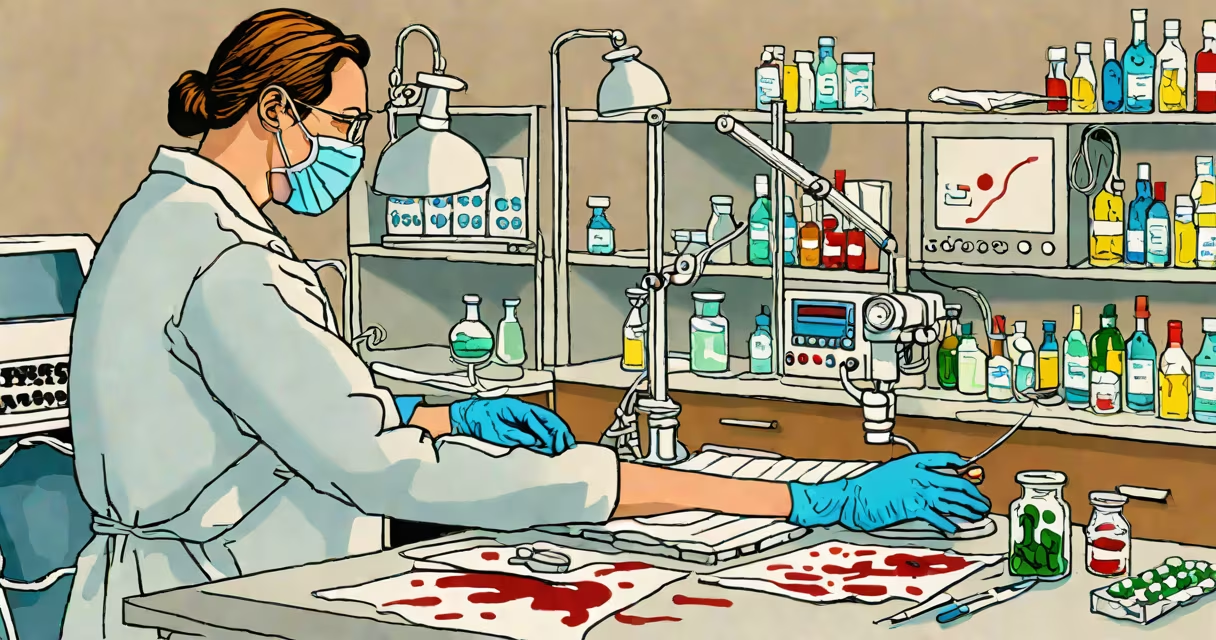
Medical technologists, also known as clinical laboratory scientists, perform complex tests on bodily fluids and tissues to detect diseases, monitor treatments, and support diagnoses. They work behind the scenes in hospitals, clinics, and research labs, using advanced instruments and analytical methods to generate accurate results that doctors rely on.
These professionals analyze blood, urine, tissue, and other specimens using automated analyzers, microscopes, and molecular techniques. Their findings help identify infections, cancer markers, metabolic disorders, and genetic conditions. A single test result can influence whether a patient receives chemotherapy, adjusts medication, or undergoes surgery.
The role requires precision, attention to detail, and adherence to strict quality control standards. Technologists follow protocols set by regulatory bodies such as the Clinical Laboratory Improvement Amendments (CLIA) and maintain records traceable to national reference standards.
When a doctor orders a test, a sample is collected-usually through a blood draw or swab-and sent to the lab. A medical technologist receives the specimen, logs it into the system, and prepares it for analysis. This may involve centrifuging blood to isolate serum, staining cells for microscopic examination, or extracting DNA for genetic screening.
Tests are run on specialized equipment. For example, a hematology analyzer measures red and white blood cell counts, platelets, and hemoglobin levels. A chemistry analyzer detects glucose, electrolytes, and liver enzymes. Results are reviewed for accuracy and flagged if abnormal. The technologist may repeat the test or investigate instrument errors before reporting.
Results are entered into the electronic health record (EHR), where physicians access them to make decisions. A high white blood cell count might indicate infection; elevated troponin suggests heart damage. Technologists don't interpret results clinically-they provide the data that clinicians use to treat patients.
Medical technologists specialize in areas based on the type of testing they perform. Common subspecialties include:
| Specialty | Sample Type | Common Tests | Frequency in Labs |
|---|---|---|---|
| Hematology | Blood | Complete blood count (CBC), coagulation panel | High |
| Clinical Chemistry | Blood, urine | Glucose, creatinine, cholesterol, thyroid function | Very high |
| Microbiology | Urine, sputum, wound swabs | Bacterial cultures, antibiotic sensitivity testing | Medium |
| Immunology/serology | Blood | Antibody screens, HIV testing, autoimmune panels | Medium |
| Molecular diagnostics | DNA/RNA from blood or tissue | PCR for viruses, gene mutations in cancer | Growing rapidly |
Some technologists work in forensic labs, analyzing evidence for criminal investigations. Others support pharmaceutical research by testing drug compounds in controlled environments. In public health, they track outbreaks by identifying pathogens in community samples.
A key distinction often missed: medical technologists are not the same as phlebotomists. Phlebotomists draw blood but do not run tests. Technologists analyze the samples they receive. One cannot substitute for the other in workflow or certification.
Medical technologists are essential in nearly every healthcare setting. In hospitals, they operate 24/7 to support emergency departments, intensive care units, and surgical teams. A trauma patient arriving with low blood pressure may have a rapid blood test showing severe anemia-prompting immediate transfusion.
In outpatient clinics, technologists process routine screenings like diabetes checks or cholesterol panels. During the 2020-2022 pandemic, they ran thousands of SARS-CoV-2 PCR tests daily, enabling contact tracing and isolation efforts. According to the U.S. Bureau of Labor Statistics, demand for medical technologists grew 6% between 2020 and 2030-faster than average for all occupations.
They also play a role in rare disease diagnosis. For example, a child with unexplained developmental delays may have a metabolic disorder detected via enzyme assays performed by a clinical chemist. Without this testing, the condition might go undiagnosed for years.
To become a medical technologist, most states require a bachelor's degree in medical technology, clinical laboratory science, or a related field. Programs accredited by the National Accrediting Agency for Clinical Laboratory Sciences (NAACLS) meet federal standards under CLIA.
After graduation, candidates take the American Society for Clinical Pathology (ASCP) board exam. Passing this certification allows them to use the credential MT(ASCP) or MLS(ASCP)-terms that appear on official licenses and job postings.
I worked in a university-affiliated hospital lab during my training. One evening, a stat coagulation panel came in from the ER. The patient was bleeding heavily after a fall. The machine flagged a prolonged PT and INR-indicating a clotting defect. I repeated the test, confirmed the result, and alerted the physician. The patient received fresh frozen plasma within 30 minutes. That night, the test prevented a fatal hemorrhage.
Technologists must stay current. New tests emerge regularly-like liquid biopsies for early cancer detection. Continuing education ensures they understand changes in protocols, instrumentation, and safety guidelines.
Many assume medical technologists are "just lab workers." But they are licensed healthcare professionals trained in biology, chemistry, and data interpretation. Their work directly affects patient outcomes. A mislabeled sample or incorrect calibration can lead to false positives or missed diagnoses.
Another myth: all lab work is automated. While automation handles much of the processing, human oversight remains important. Instruments fail. Samples degrade. Errors occur. Technologists verify results, troubleshoot problems, and validate new methods before implementation.
Finally, people confuse medical technologists with medical assistants or nurses. Nurses assess patients and administer care. Medical assistants handle administrative tasks and basic vitals. Technologists focus solely on lab analysis-not direct patient interaction.
Medical technologists are foundational to modern medicine. Their work enables early detection of diseases like cancer and Alzheimer's through biomarker analysis. They contribute to personalized medicine by identifying genetic variants that affect drug response.
As healthcare shifts toward precision diagnostics, demand for skilled technologists will grow. The CDC reports that 70% of clinical decisions are informed by lab results. Without accurate testing, treatment fails.
Understanding what do med techs do reveals a profession that blends science, responsibility, and real-world consequence. These professionals ensure that the invisible work of the lab supports every visible act of healing.