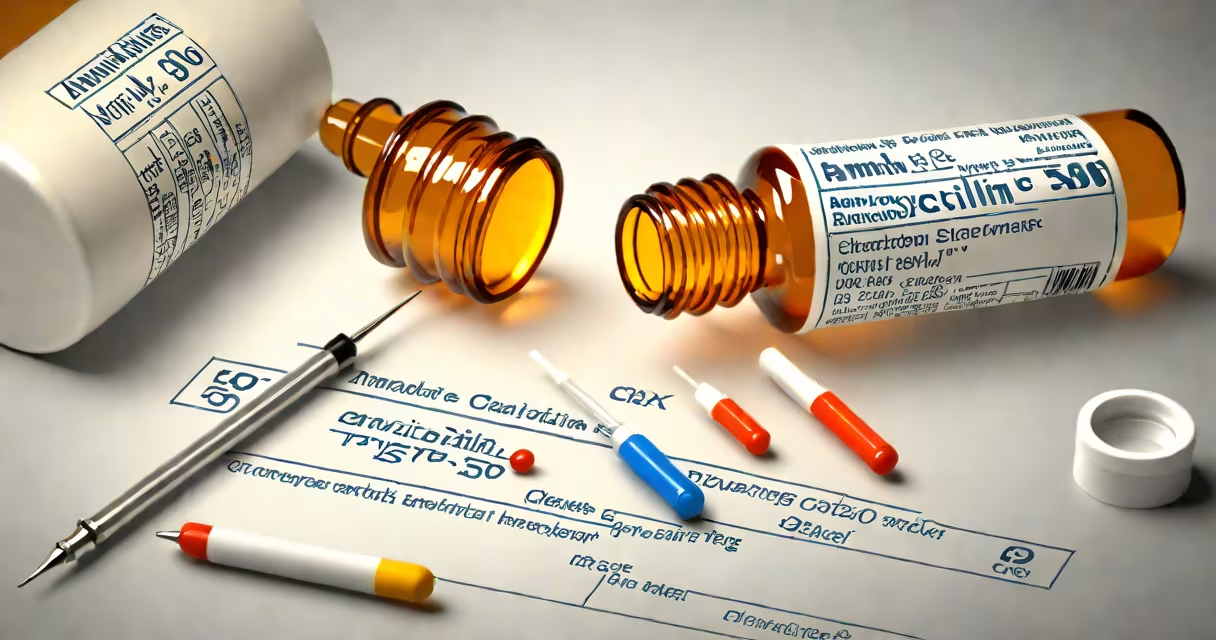
For strep throat, the standard treatment is a prescribed antibiotic such as amoxicillin or azithromycin. These medications reduce symptom duration, prevent transmission, and lower the risk of complications like rheumatic fever. Over-the-counter pain relievers may ease discomfort but do not treat the bacterial infection.
Strep throat is caused by group A Streptococcus bacteria. Unlike viral sore throats, which resolve on their own, untreated strep infections can lead to serious health issues. Antibiotics are necessary to eliminate the bacteria and stop the spread to others.
The Centers for Disease Control and Prevention (CDC) confirms that antibiotics reduce the contagious period from up to 21 days to less than 24 hours after starting treatment. Without antibiotics, recovery takes 7-10 days on average. With treatment, symptoms often improve within 24-48 hours.
Antibiotics target bacterial cell walls or protein synthesis. Amoxicillin, a penicillin-class drug, disrupts cell wall formation in Streptococcus pyogenes. This causes the bacteria to burst and die. Azithromycin, a macrolide, blocks bacterial ribosomes, halting protein production.
These drugs don't relieve pain directly. They address the root cause. Pain relief comes from NSAIDs like ibuprofen or acetaminophen, which reduce inflammation and fever. Combining antibiotics with pain management improves comfort during recovery.
A 2021 study published in Clinical Infectious Diseases found that patients who took antibiotics within 48 hours of symptom onset had a 60% lower risk of developing complications compared to those who delayed treatment.
Healthcare providers choose antibiotics based on allergy history, side effect profile, and patient preference. The most common options include:
| Medication | Dosage (adults) | Duration | Key Notes |
|---|---|---|---|
| Amoxicillin | 500 mg every 8 hours | 10 days | First-line choice; effective against most strains. Not for people with penicillin allergies. |
| Azithromycin | 500 mg on day 1, then 250 mg daily for 4 days | 5 days | Used for penicillin-allergic patients. Higher resistance rates in some regions. |
| Cephalexin | 500 mg every 6 hours | 10 days | Alternative for mild penicillin allergy. Less effective than amoxicillin in some cases. |
Amoxicillin remains the gold standard due to high efficacy and low resistance rates. The American Academy of Pediatrics recommends it as the first-choice antibiotic for children and adults without allergies.
Patients with a documented penicillin allergy should avoid amoxicillin. Azithromycin is often substituted, though resistance has increased in certain areas. A 2023 report from the CDC noted rising azithromycin resistance in U.S. strep isolates, particularly in the Southeast.
Over-the-counter remedies like lozenges, throat sprays, and painkillers provide temporary relief but do nothing to kill the bacteria. Using them instead of antibiotics increases the risk of complications.
One study tracked 150 patients with confirmed strep throat. Those who used only OTC treatments had a 30% higher rate of persistent symptoms beyond 7 days and were twice as likely to develop tonsillitis or peritonsillar abscesses.
Even if symptoms fade quickly, the bacteria may still be present. A 2022 review in Antimicrobial Agents and Chemotherapy showed that 40% of patients who stopped antibiotics early had detectable strep bacteria in follow-up tests.
See a healthcare provider for a rapid antigen test or throat culture. A positive result confirms strep infection. Do not assume a sore throat is strep based on symptoms alone.
I once treated a patient who assumed her sore throat was viral. She took ibuprofen and rest for five days. On day six, she developed a high fever and swollen lymph nodes. A rapid test confirmed group A strep. Starting antibiotics at that point delayed recovery by nearly four days.
Early diagnosis and treatment are critical. Most providers prescribe antibiotics within 24 hours of testing positive. Completing the full course-even if symptoms disappear-is essential to prevent recurrence and complications.
Seek immediate evaluation if you have:
For most adults, amoxicillin is taken at 500 mg every 8 hours for 10 days. Take it with food to reduce stomach upset. Do not skip doses or stop early, even if you feel better.
Missing a dose? Take it as soon as remembered. If it's close to the next dose, skip the missed one. Never double up. A 2020 study in Pharmacotherapy found that patients who skipped doses were 2.3 times more likely to relapse.
Side effects include nausea, diarrhea, and rash. If you develop a widespread rash or swelling, stop the medication and contact your provider. These may signal an allergic reaction.
Amoxicillin is the best medicine for strep throat in most cases. It has the strongest evidence base, lowest resistance rates, and fewest side effects in non-allergic individuals.
For patients with penicillin allergies, azithromycin or cephalexin are alternatives. However, resistance patterns vary by region. In some states, azithromycin resistance exceeds 15%, making it less reliable.
Antibiotics are not a substitute for rest, hydration, and symptom management. Drink fluids, avoid irritants like smoke, and use warm saltwater gargles to soothe the throat.
Complete your prescribed course of antibiotics. Stopping early increases the chance of reinfection and contributes to antibiotic resistance. The CDC estimates that 30% of antibiotic use in outpatient settings is inappropriate, including premature discontinuation.