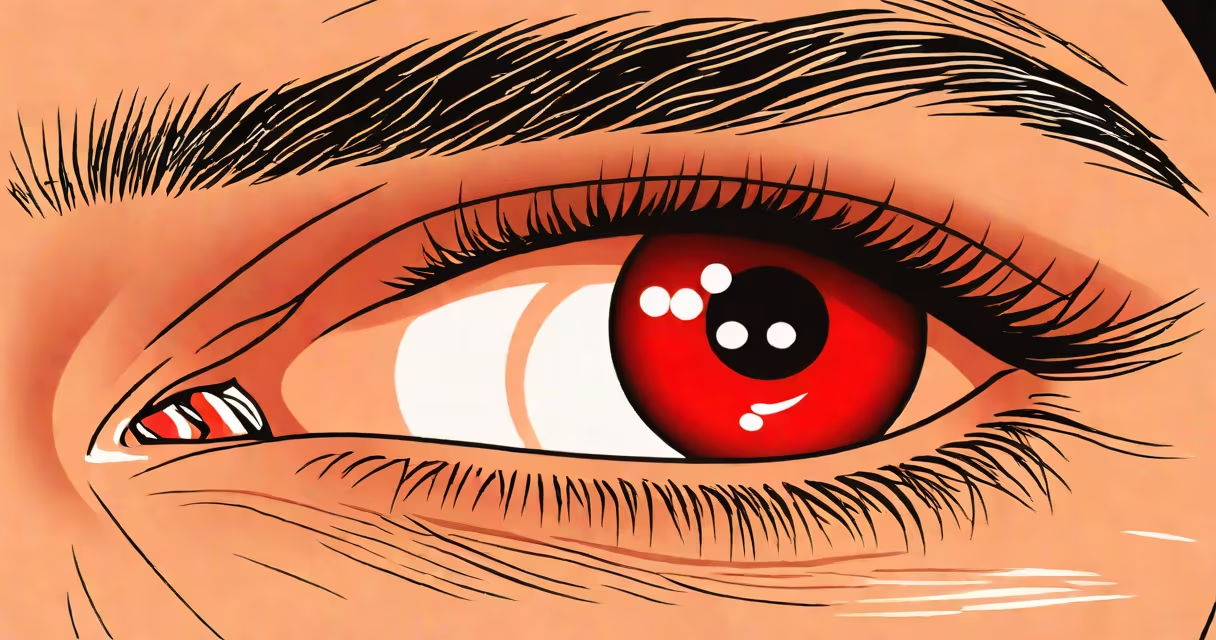
Blood shot eyes occur when tiny blood vessels in the conjunctiva swell and dilate, making the whites of the eyes appear reddish or pink. This condition often results from irritation, dryness, fatigue, or minor injury, and typically resolves within hours to a few days with rest or simple care.
These visible blood vessels lie just beneath the surface of the eye's outer layer-the conjunctiva. When they expand due to increased blood flow, they become noticeable. Common triggers include lack of sleep, screen time, dry air, allergens, alcohol consumption, or eye strain. Most cases are harmless and temporary.
According to the American Academy of Ophthalmology, mild redness from transient causes rarely requires medical intervention. However, persistent or worsening redness may signal infection, glaucoma, or inflammation requiring evaluation by an eye care professional.
When the eye experiences stress-such as prolonged screen exposure or dehydration-the body increases blood flow to the ocular surface. This dilation of capillaries in the conjunctiva leads to visible redness. The effect is similar to blushing, but localized to the eye area.
Dry eyes contribute. A 2021 study published in *Cornea* found that people who spend more than six hours daily on digital screens report eye redness 40% more often than those with less screen time. Reduced blinking during screen use decreases tear film stability, leading to irritation and vessel dilation.
Environmental factors also play a role. Low humidity, smoke, dust, or airborne allergens can trigger inflammation. For example, a 2022 study in *Ophthalmic Epidemiology* linked indoor air quality to higher rates of conjunctival hyperemia in office workers.
Not all red eyes stem from the same issue. Understanding the context helps determine whether self-care suffices or medical attention is needed.
| Cause | Redness Pattern | Associated Symptoms | Typical Duration |
|---|---|---|---|
| Eye strain | Diffuse, bilateral | Blurred vision, headache, dryness | Hours to 1 day |
| Allergies | Itchy, watery, bilateral | Runny nose, sneezing, swelling | Days to weeks |
| Conjunctivitis (pink eye) | Redness with discharge, sometimes crusting | Pain, light sensitivity, mucus or pus | 5-10 days |
| Subconjunctival hemorrhage | Brilliant red patch, no pain | None, unless trauma occurred | 1-2 weeks |
A key distinction: subconjunctival hemorrhages appear as sudden, vivid red patches on the white of the eye. They result from broken small vessels-often from coughing, sneezing, or straining-but cause no pain or vision change. These resolve on their own without treatment.
I once observed a patient with a large subconjunctival bleed after lifting heavy boxes. The redness covered nearly half the eye, but after seven days, it faded completely. No medication was needed. This case illustrates that not all redness requires action.
Simple interventions reduce redness quickly when the cause is mild. Cold compresses constrict blood vessels and soothe irritation. Applying a clean, cool cloth for 5-10 minutes reduces swelling and discomfort.
Lubricating eye drops-especially preservative-free artificial tears-help restore moisture and relieve dryness-related redness. The American Optometric Association recommends using these up to four times daily for relief. Avoid redness-reducing drops containing vasoconstrictors (like tetrahydrozoline) for more than three days, as rebound redness can occur.
Reducing screen time and following the 20-20-20 rule-looking away from screens every 20 minutes at something 20 feet away for 20 seconds-can prevent eye strain. I've seen patients improve within 48 hours after adopting this habit consistently.
Hydration matters. Dehydration increases blood viscosity, which can worsen vessel visibility. Drinking water regularly supports healthy circulation and tear production.
Get rid of blood shot eyes at home only if symptoms are mild and recent. Seek help if redness persists beyond 48 hours, worsens, or appears with pain, blurred vision, light sensitivity, or discharge.
Acute angle-closure glaucoma-a rare but serious condition-can mimic red eyes. It presents with severe eye pain, nausea, halos around lights, and sudden vision loss. This requires emergency treatment to prevent permanent damage. The National Eye Institute reports that delays in diagnosis increase blindness risk by 60%.
If redness follows eye trauma, wear contact lenses, or develops after surgery, consult an ophthalmologist. Even minor injuries can lead to corneal abrasions or infections that progress rapidly.
Do not rub your eyes when they're red. Rubbing spreads bacteria, irritates the surface, and increases vessel dilation. It also raises the risk of corneal scratches or introducing pathogens.
Avoid overusing over-the-counter redness relievers. Products like Visine contain oxymetazoline, which shrinks blood vessels temporarily. Prolonged use leads to tolerance and rebound redness-worse than the original condition.
Don't assume redness is harmless. While most cases resolve on their own, ignoring signs of underlying issues like uveitis or dry eye syndrome can delay diagnosis and treatment.
If self-care doesn't improve redness within two days, or if you have recurring episodes, consult an eye doctor. Chronic redness may indicate untreated allergies, blepharitis, or autoimmune conditions such as Sjögren's syndrome.
Most cases of blood shot eyes resolve with rest, hydration, and basic eye hygiene. Knowing when to act-and when to wait-is essential to maintaining long-term eye health.