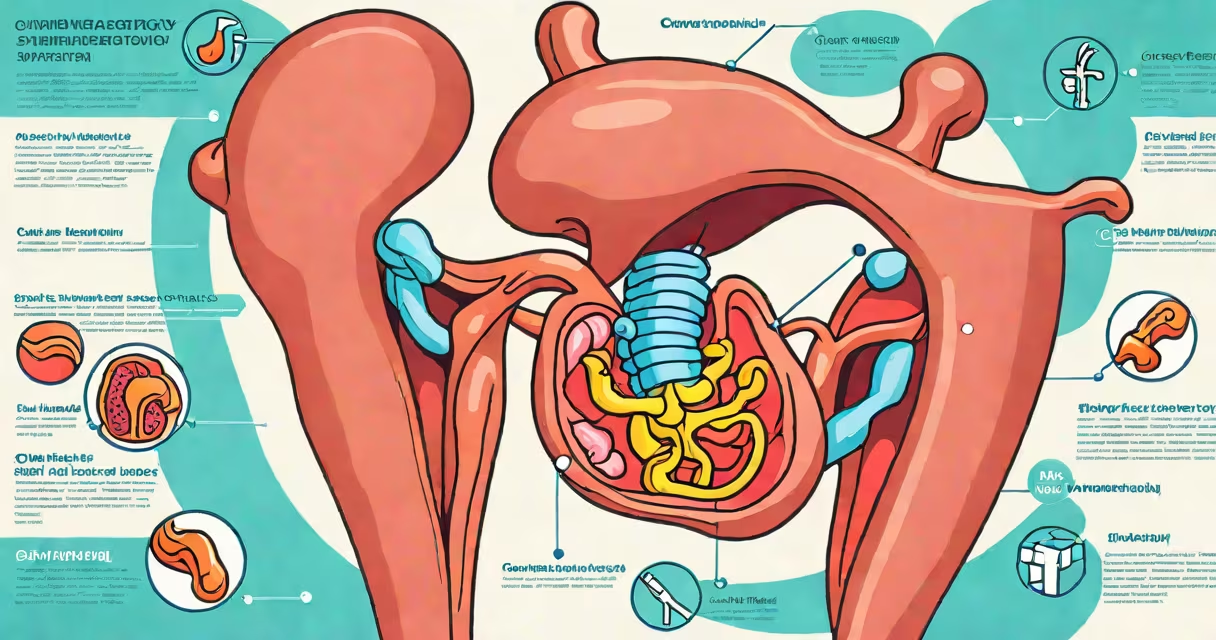
Gynecology is the branch of medicine dedicated to the health of the female reproductive system, including the vagina, cervix, uterus, fallopian tubes, ovaries, and external genitalia. It addresses prevention, diagnosis, and treatment of disorders related to these organs, as well as breast health and hormonal regulation.
Unlike general internal medicine, gynecology focuses specifically on anatomical and physiological functions unique to people assigned female at birth. It includes both routine care and management of complex conditions such as endometriosis, polycystic ovary syndrome (PCOS), and cervical dysplasia. The field also overlaps with obstetrics, though they are distinct specialties.
The American College of Obstetricians and Gynecologists (ACOG) defines gynecology as covering preventive services like Pap smears, HPV vaccination, contraceptive counseling, and screening for sexually transmitted infections. It also manages chronic issues such as menopause symptoms, infertility, and pelvic pain.
Gynecologists perform physical exams, interpret lab results, and use imaging tools like transvaginal ultrasounds to assess reproductive organs. They diagnose conditions through symptom review, pelvic exams, and biopsies when needed. Treatment may involve medication, hormone therapy, or surgery depending on the diagnosis.
A typical visit begins with a discussion of menstrual history, sexual activity, contraception use, and any symptoms such as abnormal bleeding or pelvic discomfort. The provider then conducts a bimanual exam-palpating the abdomen and vaginal walls-to evaluate organ size, tenderness, and mobility. This helps detect masses, cysts, or signs of infection.
For example, a patient reporting irregular periods and acne might undergo blood tests for testosterone and insulin levels. If elevated, the doctor may diagnose PCOS-a condition affecting 6-10% of reproductive-age women, according to the National Institutes of Health (NIH).
Gynecology encompasses several subdomains: reproductive endocrinology (hormone balance), urogynecology (bladder and bowel function), and adolescent gynecology (care for teens). Each focuses on specific life stages and concerns.
| Condition | Prevalence | Key Symptoms | Treatment Focus |
|---|---|---|---|
| Endometriosis | 10% of reproductive-aged women | Pelvic pain, painful periods, infertility | Surgery, hormonal therapy, pain management |
| Cervical dysplasia | Approx. 3% of screened women | Often asymptomatic; detected via Pap smear | Colposcopy, LEEP procedure if high-grade |
| Polycystic ovary syndrome (PCOS) | 5-10% of women of childbearing age | Irregular cycles, excess hair growth, acne | Lifestyle changes, metformin, birth control pills |
One non-obvious distinction: gynecology does not treat male reproductive issues. While urologists manage male infertility and erectile dysfunction, gynecologists focus exclusively on female anatomy and physiology. Confusing the two can delay proper care.
Many assume gynecology is only about pregnancy or birth control. But it includes managing non-reproductive concerns like osteoporosis risk during menopause and autoimmune conditions that affect fertility. ACOG emphasizes that annual gynecologic visits are important even for women not seeking contraception or planning pregnancy.
Another misconception is that pelvic exams are always painful. While discomfort can occur, especially during first visits or due to anxiety, providers are trained to minimize distress. A 2021 study in *Obstetrics & Gynecology* found that 78% of patients reported acceptable pain levels during routine exams when providers used clear communication and gentle techniques.
I once observed a clinic where patients were given a choice between manual and digital speculum insertion during Pap smears. Women who chose the digital device reported lower discomfort scores, highlighting how small procedural adjustments improve access and reduce fear.
Recommendations vary by age and risk factors. ACOG advises that all individuals with a uterus should have their first gynecologic visit between ages 13 and 15, even if not sexually active. Early visits build trust, normalize care, and allow for education on puberty, hygiene, and consent.
After that, annual screenings are standard unless otherwise advised. For example, women over 30 may extend Pap smears to every 5 years if combined with HPV testing. Those with a family history of ovarian cancer may require earlier or more frequent evaluations.
Seek immediate care if experiencing severe pelvic pain, sudden heavy bleeding, or signs of ectopic pregnancy (such as sharp abdominal pain and dizziness). These require urgent evaluation to prevent complications like rupture or hemorrhage.
What is gynecology? It is a medical discipline rooted in science, patient autonomy, and long-term wellness. It protects reproductive health across lifespans-from adolescence through menopause-and supports informed decisions about body, fertility, and disease prevention.